Australia
Australia Uncovered: Culture, Nature & Adventure

The Ultimate Travel Guide: Top 20 Destinations for Every Explorer
California Dreaming: Explore the Golden State
Australia’s Contrasts: From Ancient Rainforests to Snow-Capped Peaks

Australia is a land of staggering diversity, where sun-drenched beaches meet alpine snowfields, and where some of the planet’s oldest ecosystems thrive just a stone’s throw from vibrant modern cities.
Few countries offer such dramatic geographical contrasts within a single day’s travel, making Australia a dream destination for adventurers, nature lovers, and curious travelers alike.
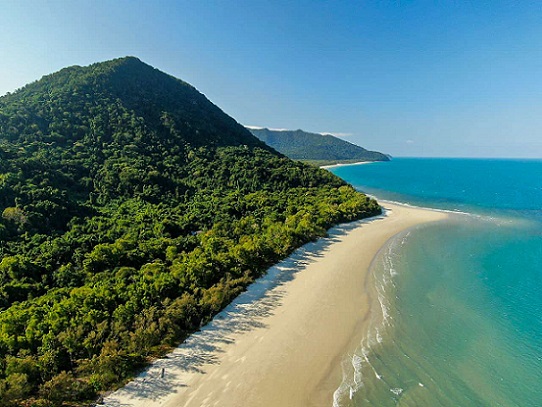
Tropical North: The Ancient Heart of the Daintree
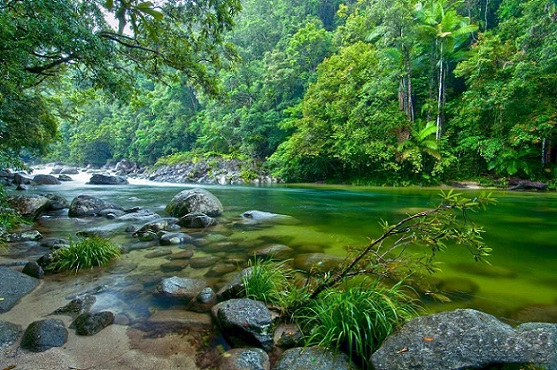
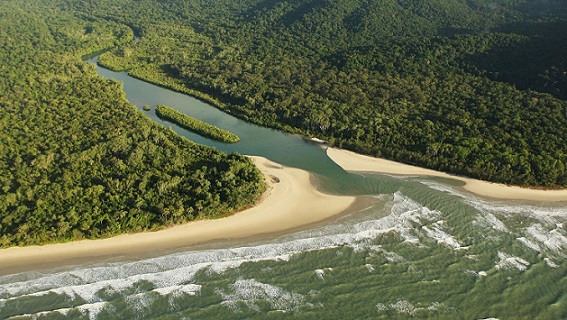
Begin your journey in Far North Queensland, where the UNESCO World Heritage-listed Daintree Rainforest unfurls in a lush tapestry of green. Estimated to be over 180 million years old, older than the Amazon, the Daintree is one of the oldest continuously surviving rainforests on Earth. Nestled between the turquoise waters of the Coral Sea and the rugged peaks of the Great Dividing Range, this ecological wonder is home to an astonishing array of wildlife found nowhere else, including the elusive southern cassowary, tree kangaroos, and over 430 bird species.
Just a short drive south lies Cairns, a lively coastal city that serves as the perfect gateway to both the Daintree and the Great Barrier Reef, the world’s largest coral reef system and another UNESCO treasure. Snorkel or dive among kaleidoscopic coral gardens teeming with marine life, then unwind in Cairns’ bustling esplanade markets, where tropical fruits, Indigenous art, and live music capture the region’s festive spirit.
Alpine Escape: Snow in the Land Down Under
Now, fast-forward 2,000 kilometers south to the Snowy Mountains of New South Wales, Australia’s highest mountain range and home to the nation’s only ski resorts. Yes, Australia has snow! During the Southern Hemisphere winter (June to August), towns like Thredbo and Perisher transform into winter wonderlands, offering world-class skiing, snowboarding, and cozy alpine lodges. The region, part of the Kosciuszko National Park, also boasts summer hiking trails that wind past glacial lakes, wildflower meadows, and Mount Kosciuszko itself, the country’s tallest peak at 2,228 meters (7,310 feet).
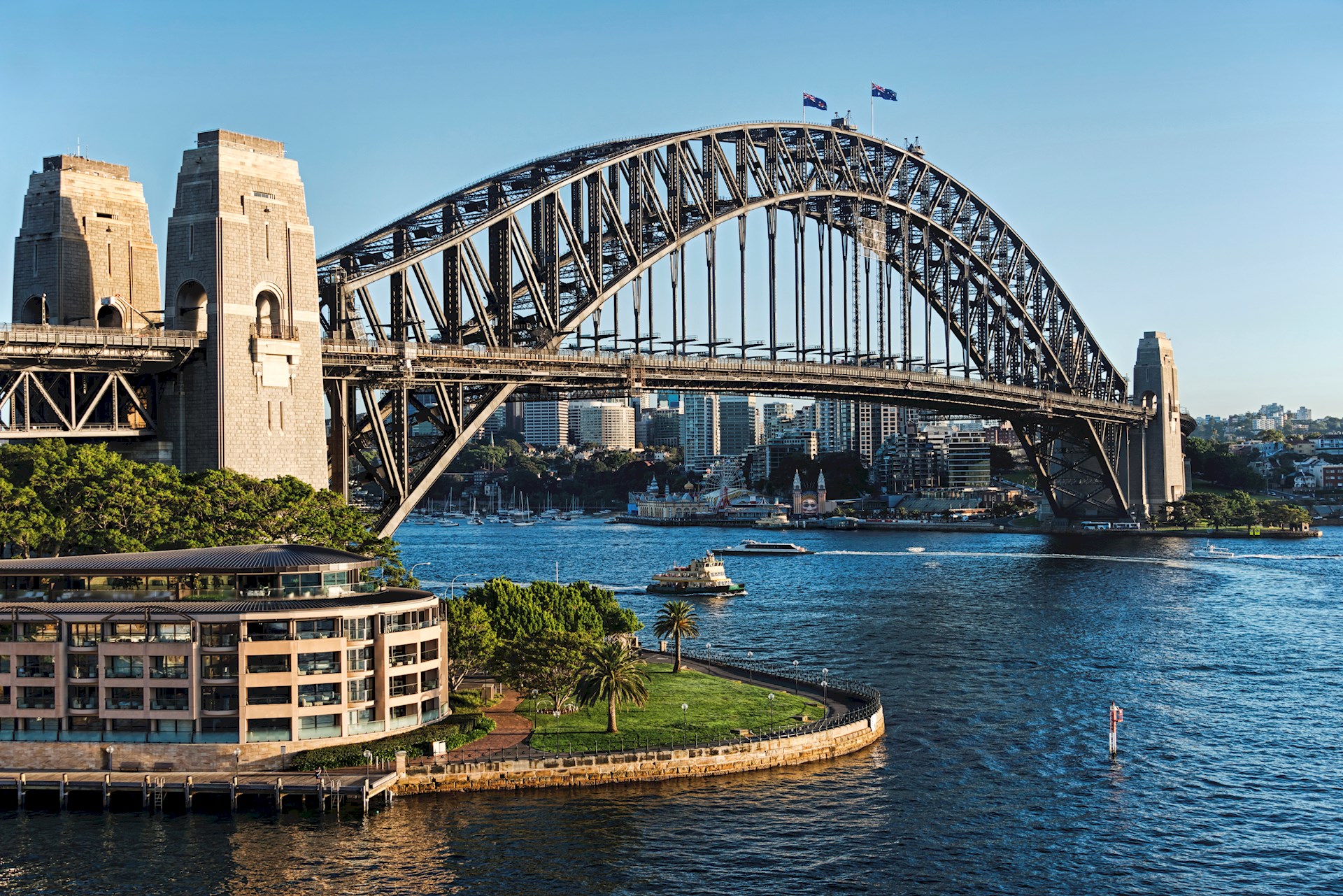
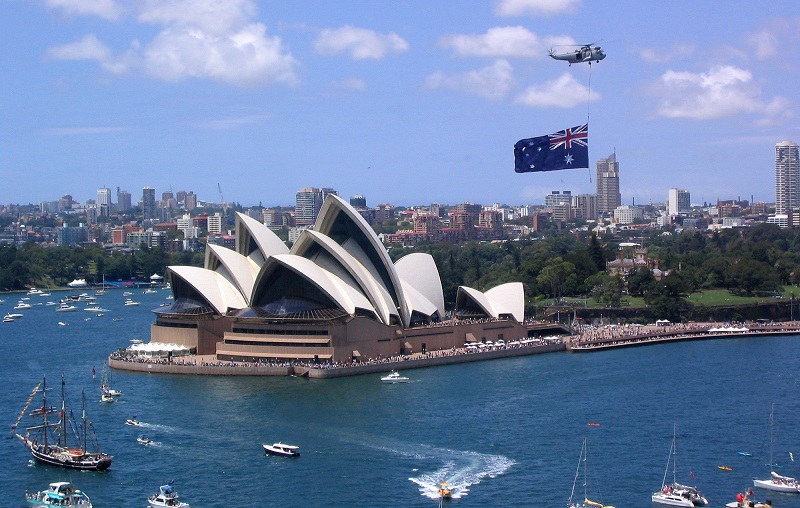
What makes this contrast even more remarkable is the proximity to Sydney, Australia’s iconic harbor city. Just a three-hour drive or a scenic train ride from the urban buzz of the Opera House and Bondi Beach, you can be breathing in crisp mountain air and gazing at snow gums dusted with frost.

Travel Tips for Exploring Australia’s Extremes
- Timing is everything: Visit the Daintree during the dry season (May to October) for easier access and fewer mosquitoes. For snow sports, aim for July or August when snowfall is most reliable.
- Pack smart: Bring lightweight, breathable clothing for the tropics and waterproof, layered gear for the alps, even in summer, mountain temperatures can dip unexpectedly.
- Respect the environment: Both the Daintree and Kosciuszko National Park are protected areas. Stick to marked trails, avoid feeding wildlife, and follow Leave No Trace principles.
- Book ahead: Accommodations in Cairns and alpine resorts fill quickly during peak seasons, reserve well in advance.
- Embrace local culture: In the Daintree, consider a guided walk with Kuku Yalanji Traditional Owners to learn about ancient Aboriginal connections to the land. In the Snowy Mountains, explore the region’s rich history of hydroelectric engineering and European settlement.
Fun Facts to Impress Your Travel Companions
- The Daintree Rainforest is so biodiverse that new species are still being discovered, scientists identified a new type of tree frog there as recently as 2020.
- Australia is one of only a few countries in the world where you can ski in the morning and scuba dive on a coral reef in the afternoon, all within the same country!
- Mount Kosciuszko was named by Polish explorer Paul Edmund Strzelecki in 1840 in honor of Tadeusz Kościuszko, a Polish-Lithuanian national hero.
- The Great Barrier Reef is so large it can be seen from space, and it’s composed of over 2,900 individual reefs and 900 islands.
From the steamy, primordial depths of the Daintree to the crisp, snow-blanketed slopes of the Snowy Mountains, Australia invites you to experience its breathtaking extremes. Whether you’re chasing waterfalls under a tropical canopy or carving fresh powder beneath alpine skies, one thing is certain: this vast island continent never fails to surprise.

Discover Australia: Land of Wonders Down Under
Australia is situated between the Indian and South Pacific Oceans in a geographically misunderstood region of the world called Oceania, and is a continent nearly twice the size of Europe. Australia is also an independent nation made up of six states and two territories. The literal continental size of the country makes for travel that is diverse and exhilarating without the hassle of ever crossing a single border!
Australia has been inhabited for an estimated 45,000 years with the first recorded European encounter with the landmass not until 1606. In 1770, the English navigator James Cook claimed Australia for Britain, but it was not until the gold rush of the 1800s that Aboriginal tribes were really harmed by Europeans who were drawn into the depths of the continent's formidable Great Dividing Range where natives had since thrived undisturbed.
Today there are many trading posts, such as Alice Springs, where Aborigines sell traditional artwork and musical instruments such as the popular didgeridoo.
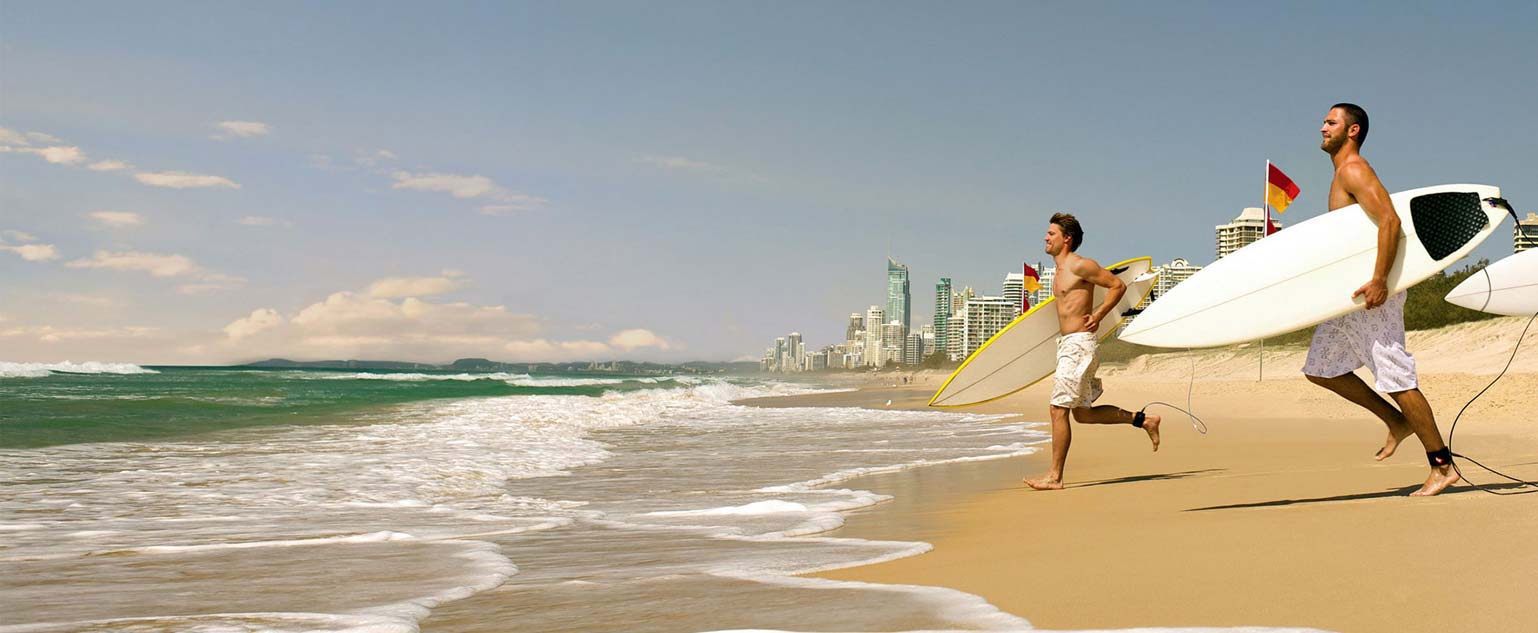
Wine, Waves, and Whimsical Wilderness Most travelers anticipate a visit to the Sydney Opera House, a wild ride through the outback and then a dive at the Great Barrier Reef. A great number of visitors experience an abrupt awakening to the sheer depth of Australia's wonderful attributes and activities as well as the great distances that would make such a trip lengthy at best.
South western Australia is a fantastic wine-producing region, with harvests including Australia's own Shiraz. Visit the popular Margaret River area for delicious reds or take a drive along the nearby coast and surf some of the best waves in the morning.
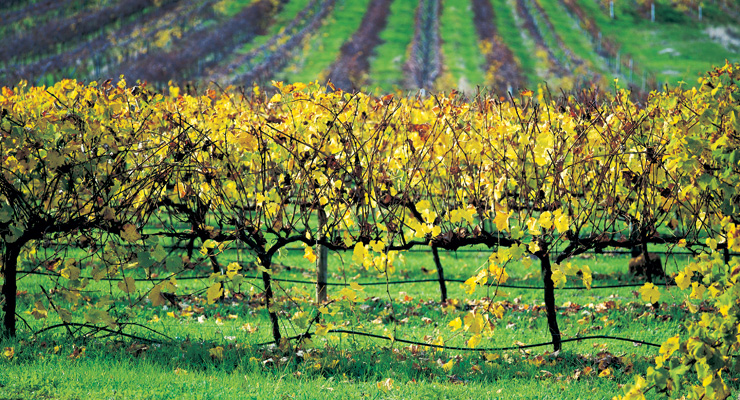
One can also take a leisurely afternoon of wine tasting in the quaint coastal towns along the way. On the path of indulgence, make sure to enjoy some truly authentic Aussie cuisine like slow-roasted kangaroo or emu, and don't shy away from the Moreton Bay bug, which is actually an exceptional species of slipper lobster native to Australian waters.

Witness firsthand, the versatility of the Aussie landscape, by venturing north to the coastal Daintree Rain forest in the wet tropical region, near the festive city of Cairns and the northern tip of the Great Barrier Reef. Some of the world's oldest rain forest stands in Australia's tropical north while ski resorts garnish the eastern Snowy Mountains outside of cosmopolitan Sydney.
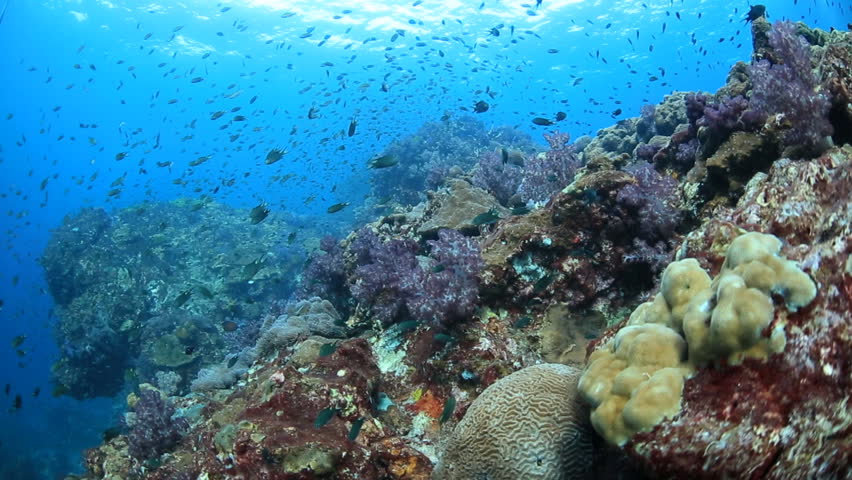
The semi-arid Flinders Ranges in the south represent the last of the quintessential Australian outback, complete with crocodiles and wallabies. Tasmania, Australia's giant southern island, is often considered a miniature Australia with all of the spectacular sights in a fraction of the size.
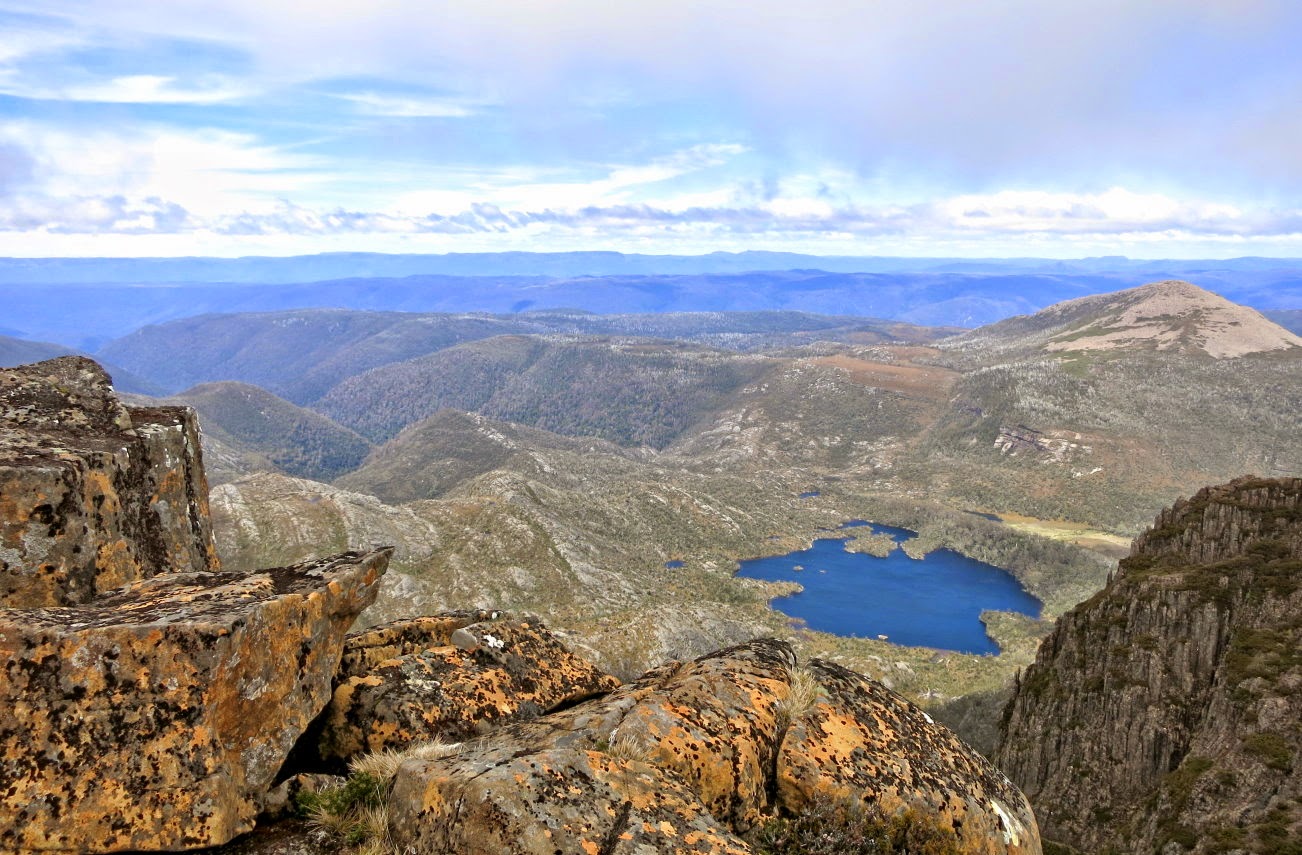
Most notable is the intense backdrop marked with jutting peaks, plunging crevasses and glacial lakes of Cradle Mountain-Lake St Clair National Park. Whether you travel to Australia for the rugged adventure of the outback or the richly multicultural and ultra-hip global scenes of Melbourne and Sydney, the deluge of opportunities available upon arrival are sure to turn your initial itinerary on its head.

Not to mention, Australia is an excellent jumping point from which to discover the many tropical island-nations of Southeast Asia to the north.
Broome - The Pearl Capital Of Australia
Ayers Rock - Australia's Mystery In The Desert
Tweet
Follow @Charlesfrize