North Carolina
Outer Banks History And Tourism

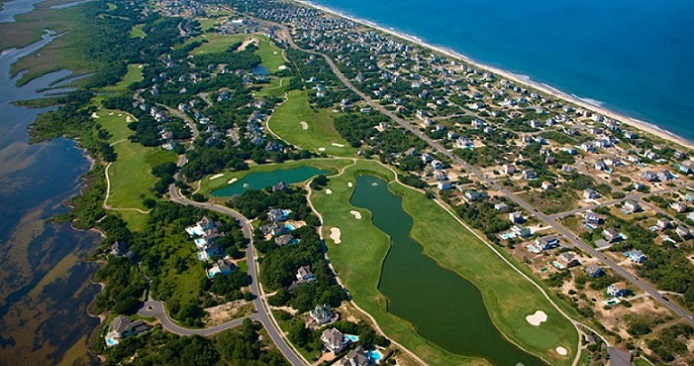
Jutting into the Atlantic Ocean, North Carolina's Outer Banks are a 100-mile-long ribbon of barrier islands where history, recreation, and raw natural forces powerfully converge. More than just beaches, this dynamic landscape is a place of seminal American firsts and constant change.
Visitors are drawn by expansive sands, world-class wind sports, and a rich heritage, from the first English settlements at Roanoke to the Wright Brothers’ pioneering flight at Kitty Hawk. Yet the very elements that define the region also shape its destiny. As the easternmost bulwark against the Atlantic, the Outer Banks bears the full brunt of hurricanes, its shoreline endlessly sculpted by wind and wave.
Here, the promise of adventure is framed by the ocean's timeless whims, offering a destination where relaxation is paired with a profound sense of place and nature's untamed power.
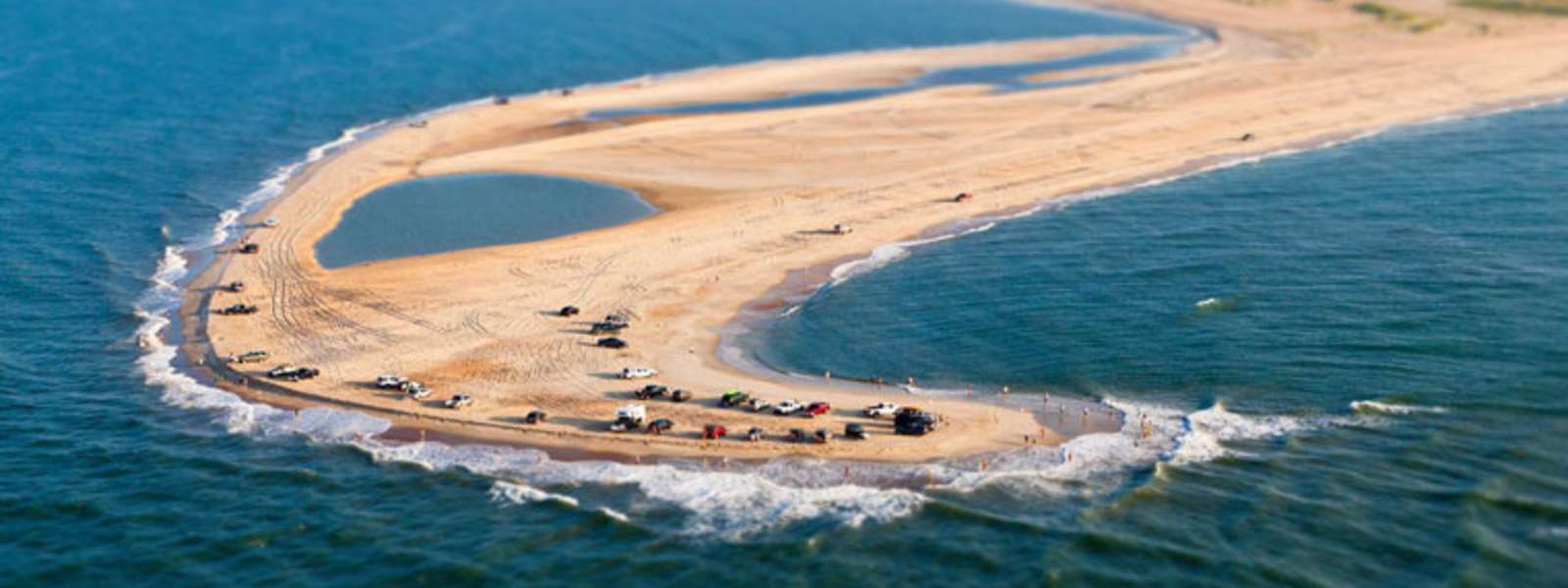
The islands themselves are in a constant, gradual migration westward, shifting one to two feet each year. This relentless movement, which pulls sand from the eastern shores only to discard it into the Atlantic, means a shipwreck that occurred just offshore centuries ago would now lie as much as a mile out to sea. This was the dynamic coastal landscape first encountered by European explorer Giovanni de Verrazzano when he landed on these banks in 1524.
Later that century, Sir Walter Raleigh sent two English explorers to Roanoke Island and the first settlement of Europeans was established. During the ensuing centuries the area of sea just off the Outer Banks was coined by US Stateman Alexander Hamilton to be the "graveyard of the Atlantic." Scores of ships were sunk and hundreds of lives were lost as storms marched up the coast as they crept past the islands.
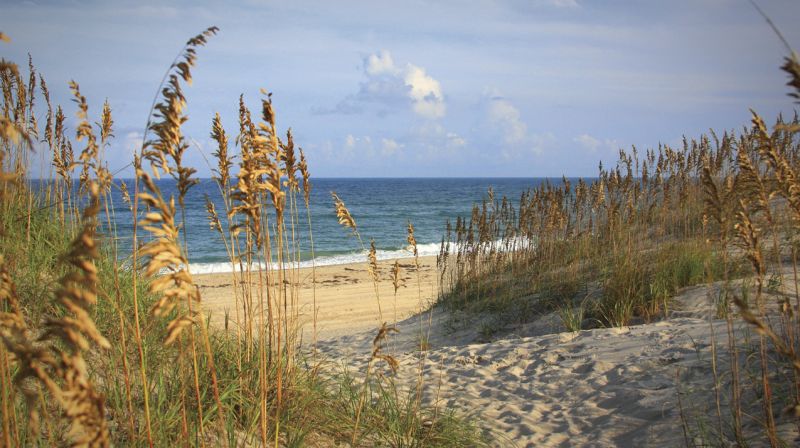
The American government, in an attempt to provide navigational assistance, constructed lighthouses along these shores. Even today four of these ancient watchmen continue to stand although their lights have long since been extinguished.
Much later, in 1903 to be exact, two brothers from Ohio, Wilbur and Orville Wright, attempted to make the first manned flight of an aircraft from Kill Devil Hills. Their twelve second voyage was short and sweet, and the rest is now history.


Other outstanding features of the Outer Banks include: Jockey's Ridge State Park featuring the highest sand dunes on the east coast; the Cape Hatteras National Seashore; wildlife refuges and maritime forests; and a whole host of recreational activities including: kite flying, deep sea fishing, swimming, boating, and more. Without a doubt, the Outer Banks has something for just about everyone and is well worth exploring. You will be enchanted the first time and every time you visit.
Tweet
Follow @Charlesfrize






New! Comments
Have your say about what you just read! Leave a comment in the box below.