London England
Exploring London: Landmarks, Neighborhoods & More

Iconic Architecture of London: A Tour of the City's Most Famous Buildings
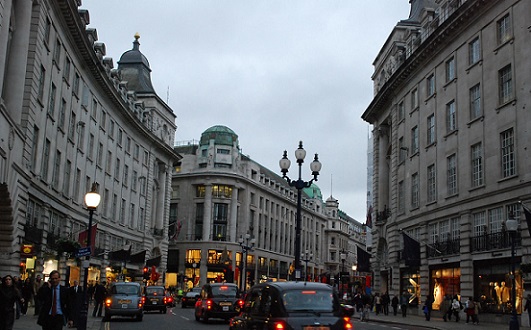
London is a city where history, architecture, and modern innovation converge.
Its skyline is a fascinating blend of centuries-old landmarks and cutting-edge contemporary structures.
Whether you're a tourist, architecture enthusiast, or simply curious about iconic design, understanding London’s famous buildings offers a window into the city’s rich cultural narrative. Below is an informative guide with tips and insights to help you explore and appreciate them.
Historic & Iconic Buildings
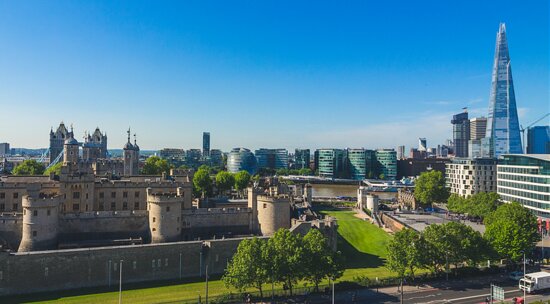
1. The Tower of London
- Built: 1078 (William the Conqueror)
- Architectural Style: Norman military architecture
- Why it’s famous: A royal fortress, prison, treasury, and home to the Crown Jewels.
- Tip: Arrive early to avoid crowds and join a Yeoman Warder (Beefeater) tour, they’re full of gripping stories.
2. St. Paul’s Cathedral
- Built: 1675–1710
- Architect: Sir Christopher Wren
- Architectural Style: English Baroque
- Why it’s famous: Survived the Blitz, site of royal weddings and state funerals (e.g., Winston Churchill).
- Tip: Climb the 528 steps to the Golden Gallery for panoramic views, and whisper in the Whispering Gallery!
3. Westminster Abbey
- Built: Originally 10th century; current Gothic structure mostly 13th–16th centuries
- Architectural Style: Gothic
- Why it’s famous: Coronation church since 1066; final resting place of monarchs, poets, and scientists.
- Tip: Visit during Evensong (evening service), it’s free and acoustically stunning.
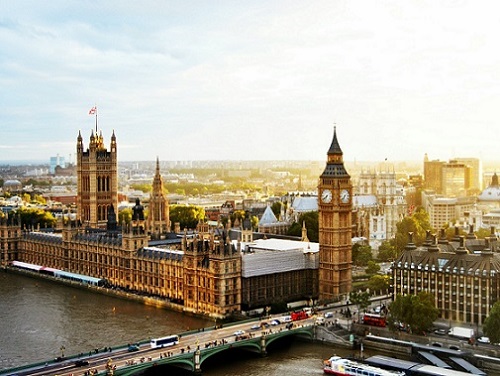
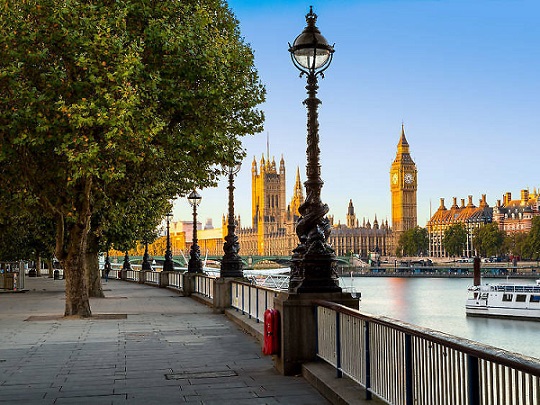
4. Houses of Parliament & Big Ben
- Rebuilt: After 1834 fire; completed 1870
- Architects: Charles Barry & Augustus Pugin
- Architectural Style: Gothic Revival
- Why it’s famous: Seat of UK democracy; Big Ben is actually the name of the Great Bell, not the tower (officially the Elizabeth Tower).
- Tip: UK residents can request free tours through their MP; tourists can book audio tours.
Modern & Contemporary Landmarks
5. The Shard
- Completed: 2012
- Architect: Renzo Piano
- Height: 310 m (Western Europe’s tallest building until 2022)
- Why it’s famous: Glass-clad “vertical city” with offices, hotel, restaurants, and viewing gallery.
- Tip: Book sunset tickets for the View from The Shard, lighting transforms the cityscape magically.
6. The Gherkin (30 St Mary Axe)
- Completed: 2003
- Architects: Foster + Partners
- Why it’s famous: Energy-efficient design with a distinctive pickle-like shape.
- Tip: While not open to the public regularly, look for special “Open House London” weekend events.
7. The Walkie Talkie (20 Fenchurch Street)
- Completed: 2014
- Architect: Rafael Viñoly
- Why it’s famous: Sky Garden on the 35th–37th floors, London’s highest free public garden.
- Tip: Book Sky Garden tickets weeks in advance, they’re free but in high demand.
8. Tate Modern (Bankside Power Station)
- Converted: 2000
- Architects: Herzog & de Meuron
- Why it’s famous: Iconic adaptive reuse of an old power station into a world-class modern art museum.
- Tip: The Turbine Hall hosts massive free installations, check current exhibits before visiting.
Tips for Exploring London’s Architecture
1. Walking Tours:
- Take themed walking tours (e.g., “London’s Hidden Architecture” or “Modernist London”) led by experts.
- Apps like GPSmyCity offer self-guided architecture routes.
2. Open House London:
- Held each September, this annual event opens normally off-limits buildings (government offices, private homes, studios) to the public, free of charge.
3. Best Photo Spots:
- South Bank: Perfect for framing The Shard, St. Paul’s, and the Thames.
- Primrose Hill or Alexandra Palace: For skyline panoramas including historic and modern icons.
4. Blend Old & New:
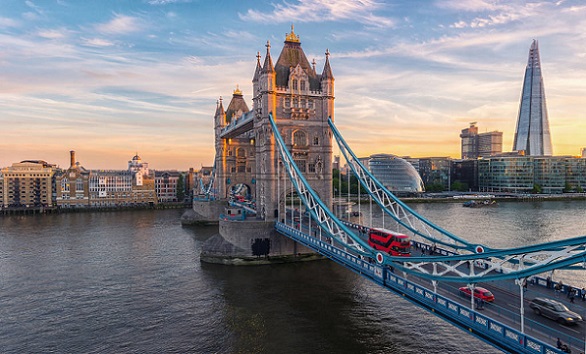
- Walk from The Tower Bridge (1894) to City Hall (the “glass egg”) to see centuries of design evolution in 10 minutes.
5. Respect Etiquette:
- Many historic buildings are active places of worship or government, dress modestly and observe silence where required.
Bonus: Lesser-Known Gems
- The Barbican Estate: Brutalist residential complex with an arts center, controversial but influential.
- Royal Albert Hall: Victorian amphitheater with a distinctive terracotta façade.
- Leadenhall Market: Victorian covered market used as Diagon Alley in Harry Potter.
1. Buckingham Palace
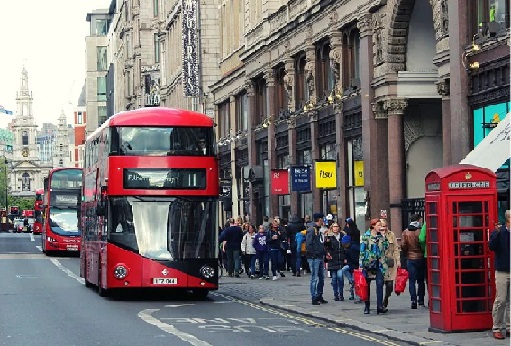
Buckingham Palace is the official London residence of the British monarch (currently King Charles III). Located in the City of Westminster, it serves as both a working royal palace and a major tourist attraction. Originally built in 1703 as a townhouse for the Duke of Buckingham, it was acquired by King George III in 1761 and has been the official royal residence since Queen Victoria’s reign in 1837.
Architectural Style
- Designed in the Neoclassical style.
- The palace features 775 rooms, including 19 state rooms, 52 royal and guest bedrooms, 188 staff bedrooms, 92 offices, and 78 bathrooms.
- The famous East Front (with its central balcony) was redesigned in 1913 by Sir Aston Webb and is the image most recognize today.
Key Experiences
- Changing of the Guard: A ceremonial event where the King’s Guard hands over responsibility to new guards. It typically occurs daily in summer and every other day in winter (check the [official Royal website](https://www.royal.uk) for schedules).
- Summer Opening of State Rooms: Each summer (usually late July to late September), parts of the palace open to the public. Visitors can tour the State Rooms, view special exhibitions, and walk through the Royal Garden.
- Royal Mews: Located nearby, this historic stable houses the royal carriages and cars, including the Gold State Coach and modern vehicles used for state occasions.
Visitor Tips
- Book tickets early, especially for the summer opening, slots fill quickly.
- Arrive 30–45 minutes before the Changing of the Guard to secure a good viewing spot.
- Use public transport: Nearest Underground stations are Victoria, Green Park, and St. James’s Park.
- Photography is not allowed inside the State Rooms, but you can take photos of the exterior and during public ceremonies.
Harrods is one of the world’s most famous luxury department stores, located on Brompton Road in Knightsbridge. Founded in 1834 by Charles Henry Harrod as a small grocery store, it expanded dramatically under the ownership of Mohamed Al-Fayed in the 1980s–2000s. Today, Harrods is renowned for its opulent interiors, unparalleled customer service, and high-end designer boutiques.
Architectural & Interior Highlights
- The building itself covers over 1 million square feet across 7 floors.
- Notable design features include:
- The Egyptian Escalator, adorned with hieroglyphics and statues inspired by Ancient Egypt.
- The Art Deco-style Food Halls, offering gourmet products from around the world.
- The Memorial to Diana, Princess of Wales and Dodi Al-Fayed in the basement (accessible to the public).
Shopping & Dining
- Luxury brands: Gucci, Dior, Chanel, Louis Vuitton, and more.
- Food Halls: A paradise for food lovers—try the famous Harrods tea, truffles, or freshly baked pastries.
- Restaurants: From fine dining at The Georgian to casual bites at Roast or Hunger.
- Personal Shopping & Concierge: Available for those seeking a tailored luxury experience.
Visitor Tips
- Free entry, but be prepared for security checks at entrances.
- Avoid weekends and holidays if you dislike crowds.
- Visit early in the day for a quieter experience and better photo opportunities (especially of the grand staircases and chandeliers).
- Don’t miss the restrooms, they’re famously lavish and include marble finishes, attendants, and mood lighting!
- If you’re not shopping, consider a guided tour (bookable online) to learn about Harrods’ history and hidden gems.
Nearby Attractions
- Hyde Park and Kensington Gardens (5-minute walk)
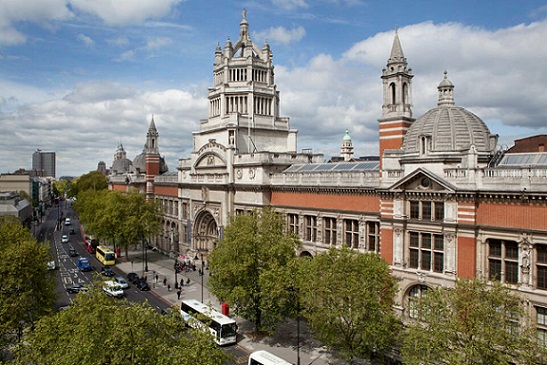
- Victoria and Albert Museum (10-minute walk), worth visiting if you enjoy art and design
- Knightsbridge Underground Station (Piccadilly Line) provides easy access.
Final Tips for Visiting Both
- Plan your day: Both attractions are in central London but about 20–25 minutes apart by foot. Consider other nearby sights like Westminster Abbey, Big Ben, or Sloane Square to round out your itinerary.
- Combine cultural and luxury experiences: Morning at Buckingham Palace, afternoon tea at Harrods, very London!
- Respect etiquette: At the Palace, maintain decorum during ceremonies; at Harrods, dress smart-casual (especially in fine dining areas).
Westminster Abbey
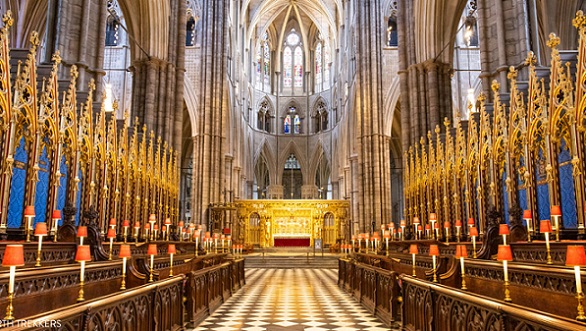
While Princess Diana's funeral was indeed held at Westminster Abbey in 1997, the Abbey is known for a vast array of historical events far beyond this one ceremony. Queen Elizabeth II's state funeral was held on September 19, 2022, at Westminster Abbey. Following the service, her coffin was taken in procession to Windsor Castle, where a committal service was held at St. George's Chapel, followed by a private burial. The event was attended by numerous world leaders and members of the royal family.
Westminster Abbey has been the traditional location for:
Coronations: Every English and British monarch since William the Conqueror in 1066 has been crowned at the Abbey.
Royal Weddings: Many royal weddings have taken place there, including that of Prince William and Catherine Middleton in 2011, and the Queen (then Princess Elizabeth) and Prince Philip in 1947. Princess Diana, however, married Prince Charles at St Paul's Cathedral.
Burials and Memorials: More than twenty monarchs are buried at the Abbey, along with countless other famous Britons, including writers (Charles Dickens, Thomas Hardy), scientists (Isaac Newton, Charles Darwin), and politicians.
Funerals: It has been the site of state funerals and ceremonial funerals for many royal figures, including the recent funeral of Queen Elizabeth II in 2022.
While Diana's funeral was a globally significant and deeply moving event watched by an estimated 2 to 2.5 billion people worldwide, it is one event in a history spanning over a thousand years. The Abbey's primary historical identity is as the coronation church of the British monarchy and a national place of burial and commemoration.
Royal Residences and Iconic Landmarks: Exploring London’s Architectural Legacy
Other famous buildings that house London’s royalty are St. James Place, Clarence House, and also Kensington Palace. Kensington Palace was started in 1689 when William and Mary purchased the mansion shortly after their ascension. It was then converted to a royal palace by Sir Christopher Wren. Today half of the building is used for royal apartments while the other half is open to the public.
Sir Christopher Wren also designed and built St. Paul’s Cathedral following the Great Fire of 1666. It was left in ruins after the fire and Wren was commissioned to rebuild it by London’s authorities. This building is considered to be Wren’s greatest creation.
The Tower of London had originally been built for use as a fortress to keep out hostile Londoners and to survey enemies who approached on the Thames river. Since then is has been used as a palace, library, mint, treasury, bank, arsenal, observatory, and, most famously, a prison.
Westminster Abbey isn’t just one of the more beautiful of London’s famous buildings, but it is also the final resting place for some of Britain’s most famous monarchs, the setting for coronations, and also other wonderful pageants. Within its walls visitors can see great examples of London’s medical architecture, as well as an impressive collection of tombs and monuments. Westminster Abby is perhaps most well-known for being the site of Princess Diana’s funeral.
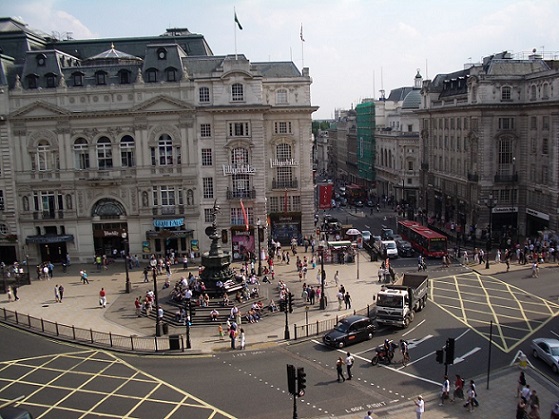
Completed in 1871, Royal Albert Hall is a beautiful structure that was modelled after Roman amphitheatres. Today the hall is used for both classical concerts and other large gatherings.
In 1514, the Archbishop of York, Cardinal Wolsey, started Hampton Court Palace with the intentions of it being a riverside country residence. But in 1535, with the hopes of gaining royal favour, Wolsey offered it to King Henry VIII. As with other famous buildings in London, Sir Christopher Wren once again had a hand in it when he was hired by William and Mary in the 1690’s to create its beautiful baroque landscapes.
The No. 10 Downing Street houses Britain’s Prime Minister. It began its service to Britain’s Prime Ministers when George II gave it to Sir Robert Walpole in 1732.
Of course there are many other famous buildings, as well as some other lesser known, that are worth seeing on a trip to London. Make sure to do your research prior to leaving on your trip to make sure you are able to see the buildings that best match your interests.
Whether you're drawn to royal heritage or retail grandeur, these landmarks showcase London’s unique blend of history, power, and luxury. Enjoy your exploration!

Old Lady of Threadneedle Street Museum
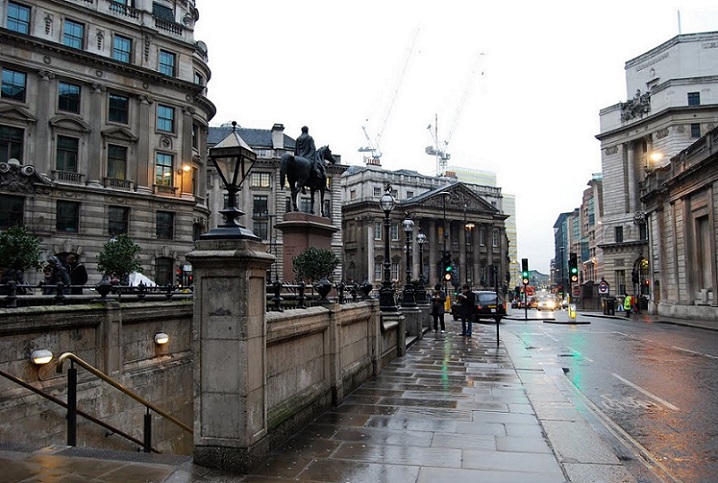
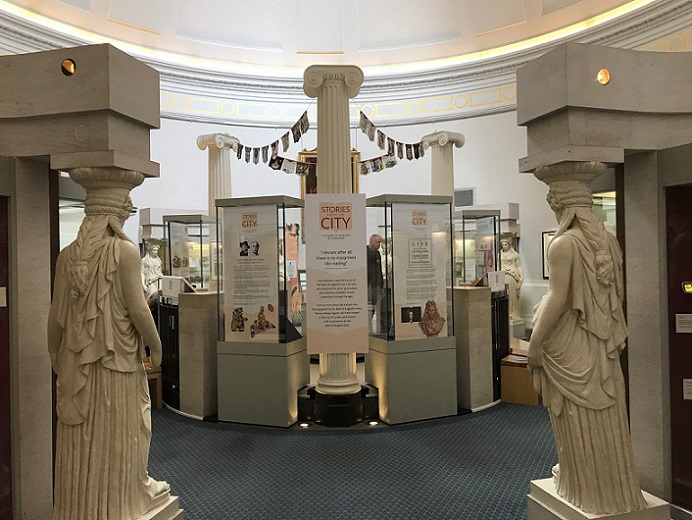
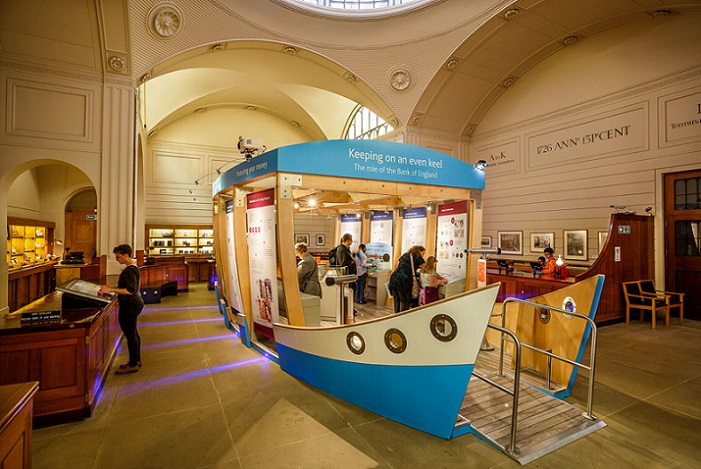
The “Old Lady of Threadneedle Street Museum,” or the Bank of England Museum as it is popularly known is one site which any person visiting the capital just cannot miss. The Museum is housed within the Bank of England itself, right at the heart of the City of London. It traces the history of the Bank from its foundation by Royal Charter in 1694 to its role today as the nation’s central bank. There are gold bars dating from ancient times to the modern bar, coins and a unique collection of bank notes, as well as many other items one might not expect to find - such as the pikes and muskets once used to defend the Bank and Roman pottery and mosaics uncovered when it was rebuilt in the 1930s.
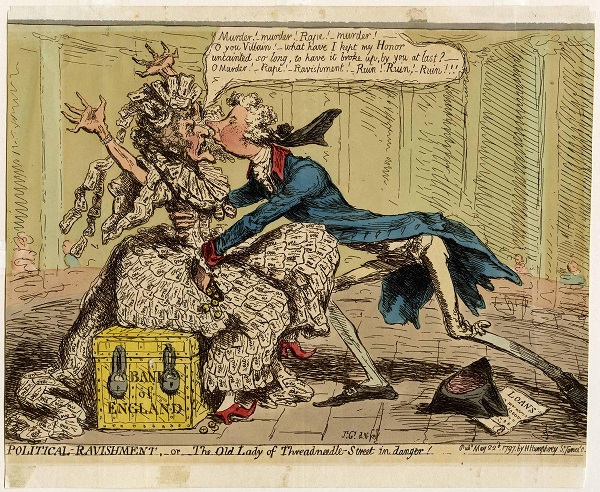
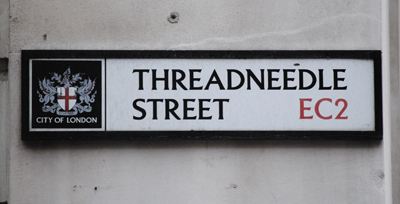
Who is the Old Lady of Threadneedle Street? The Bank of England is over 300 years old. And for nearly all of that time, it has been located on Threadneedle Street in the heart of the City of London. For most of that time, it has had the nickname ‘The Old Lady of Threadneedle Street’ – or simply ‘The Old Lady’. To find out why, we need to turn the clock back a little over 200 years. How did the Bank of England get its nickname? The Bank of England’s nickname dates back to a cartoon published in 1797 by James Gillray.
Wooing the ‘Old Lady’ The cartoon shows the Prime Minister of the day, William Pitt the Younger. He appears to be wooing an old lady – who represents the Bank of England. But his true intention is to get his hands on the Bank of England’s gold reserves: the gold coins in her pocket and the money-chest on which she is firmly seated. You can see in the image: The Old Lady dressed in a gown made of the new £1 and £2 notes issued to replace gold coins in circulation. She sits protectively on a chest, which represents the Bank’s reserves. The scene is set in the “Rotunda”, at the time a public office in the Bank’s Threadneedle Street building. You can just see the clerks seated at their desks in the background.
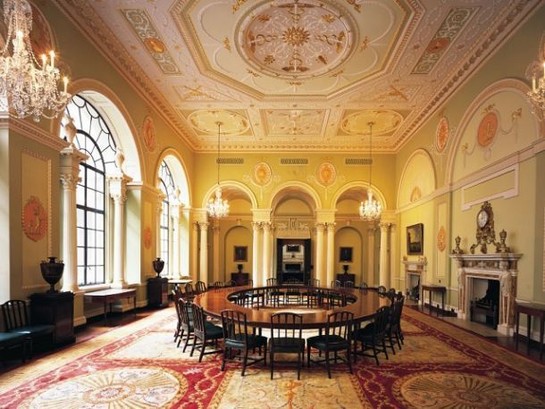
A document titled ‘Loans’ – which refers to the Pitt government’s continual demands to borrow money from the Bank of England. On display are documents relating to famous customers such as the Duchess of Marlborough, George Washington and Horatio Nelson. The Bank Stock Office, a late 18th century banking hall by the great English architect Sir John Sloane, has been reconstructed and two award winning inter-active systems allow visitors to look behind the doors of the nation’s central bank or to examine the intricacies of bank note design and production. Live information on gilt-edged stocks and securities and the foreign currency and money markets is given at the Dealing Desk, similar to those in everyday use at the Bank. One can even try your hand at dealing on the US Dollar/Sterling Exchange market by pitting your wits against a computerized simulation.
There are also less expected displays of wonderful antique furniture, much of it used by the bank directors over the centuries, such as a set of chairs specially designed by architect Sir John Soane. In addition, an extensive collection of artwork portrays bank personnel and the changing look of the bank premises over time. There is also antique silver and statuary, weaponry used to defend bank premises, and banking paraphernalia such as weights, scales, keys, and calculators. The Bank of England Museum hosts a regular program of special events, talks, and exhibits. An audio tour is available for a small fee, with the commentary “provided” by Abraham Newland, Chief Cashier of the Bank from 1778 to 1807. There are also ancient ledgers and other bank documents containing the signatures of famous figures such as William Pitt the Elder, George Washington and Admiral Lord Nelson.
The museum documents the history of the Bank of England since its formation in 1694. In addition to the historic currencies are many fine paintings, some depicting important figures in the banks history, some donated by patrons of the bank across the centuries. The museum holds regular exhibits including a fascinating recent display on forgery and method of detection, past and present. Another absorbing exhibit was ‘Amusing, Shocking, Informing’ a collection of cartoons and caricatures taken from the press over the past three centuries depicting various famous faces –most famously –‘the old lady of Threadneedle Street’, a fictional lady who guards the money dressed in banknote clothes, and the source of the nickname for the Bank of England.


The museum has many permanent exhibits also including an in depth look into the fantastic detail put into banknotes throughout history- in order to deter forgeries. Visitors are also encouraged to take the mental aptitude tests that applicants joining the bank in Victorian London were required to pass and are given the opportunity to hold a genuine Gold bar. The bank holds many seasonal events including an Easter egg hunt and Christmas carol service.
Enjoy A Beautiful Cornish Walk
Traveling Through The English Capital
Victoria And Albert Museum Is A Must See
Tweet
Follow @Charlesfrize