Food, Drink & Beverage Guide
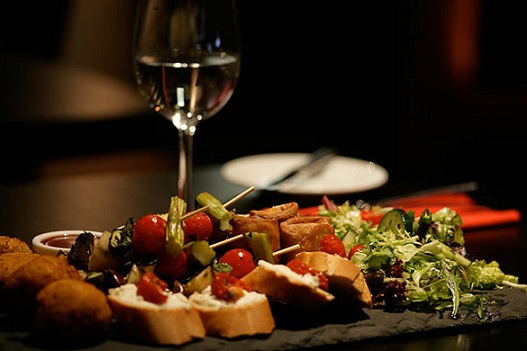
Dedicated to the Culture of Cuisine and the Craft of the Drink.
Cooking Food Safety Coffee Lifestyle Gourmet Veganism Diet And Nutrition Wine GM Food Vegetarian Recipes Fair Trade Chefs Food Price Inflation Organic Food Food Blogs And Recipes Hospitality Industry
Eating Together, Growing Together: The Social And Spiritual Power of Food
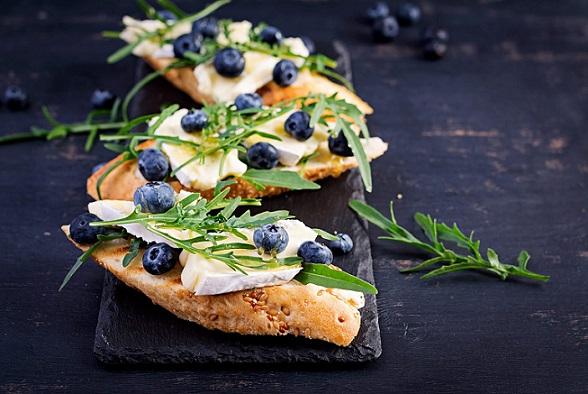
Food and drink are deeply embedded in cultural and historical contexts, they reflect geography, climate, trade, religion, social structure, and technological development.
Here’s a brief overview of how culture and history shape what we eat and drink:
1. Geography & Climate
- Local ingredients often define regional cuisines. For example:
- Mediterranean cuisine relies on olive oil, wheat, grapes, and seafood due to the region’s climate and proximity to the sea.
- Nordic countries historically preserved food through fermentation (e.g., Swedish surströmming or Icelandic hákarl) due to long winters and limited growing seasons.
2. Trade & Colonization
- The Columbian Exchange (15th–16th centuries) transformed global diets: tomatoes, potatoes, maize, and chili peppers moved from the Americas to Europe, Africa, and Asia, while wheat, sugar, coffee, and livestock went the other way.
- Example: Tomatoes, native to South America, became central to Italian cuisine only after the 16th century.
- Spice trade routes brought black pepper, cinnamon, and cloves from Asia to Europe, influencing both flavor profiles and economic power structures.

3. Religion & Ritual
- Dietary laws shape food practices:
- Kosher (Judaism) and Halal (Islam) dictate permissible foods and preparation methods.
- Fasting periods like Lent (Christianity) or Ramadan (Islam) influence seasonal dishes and consumption patterns.
- Certain drinks hold ceremonial roles: sake in Shinto rituals, wine in Christian Eucharist, or mate in South American communal gatherings.
4. Social Identity & Class
- Historically, access to certain foods signaled status:
- In medieval Europe, spices and sugar were luxury items for the elite.
- Tea in 18th-century Britain shifted from an aristocratic indulgence to a working-class staple as trade expanded.
- National dishes often emerge from efforts to unify identity—e.g., coq au vin in France or kimchi in Korea.
5. Technological Innovation
- Preservation methods like canning, refrigeration, and pasteurization changed how food was stored, distributed, and consumed.
- The rise of fast food in 20th-century America reflects industrialization, urbanization, and changing labor patterns.
6. Globalization & Fusion
- Migration and globalization create hybrid cuisines: Tex-Mex, Chinese-American, or Indo-Chinese dishes blend traditions.
- Yet, this can also raise questions about cultural appropriation versus appreciation, who benefits when traditional foods are commercialized?
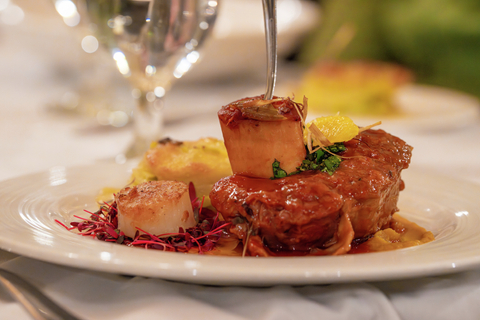
Here’s a breakdown across different angles, from everyday basics to global culture.
1. The Essentials: Categories
Food: Often grouped by macronutrient (proteins, carbohydrates, fats) or type (fruits, vegetables, grains, dairy, meat). Cuisines are built around combining these.
Drink: Includes water (the essential), non-alcoholic (juices, sodas, coffee, tea, mocktails), and alcoholic (beer, wine, spirits, cocktails).
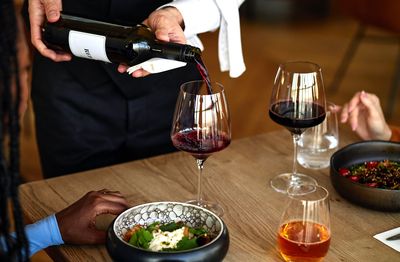
2. The Magic Combination: Pairing
This is where food and drink elevate each other.
Classic Pairings:
Wine & Cheese: A rich, fatty cheese with an acidic or sweet wine (e.g., Brie & Champagne, Blue Cheese & Port).
Beer & Burgers/Pizza: The carbonation and bitterness cut through rich, greasy foods.
Sushi & Sake/Green Tea: Clean, subtle flavors that complement without overpowering the fish.
Coffee & Chocolate: Both have complex bitter and roasted notes that enhance each other.
Rule of Thumb: Match the intensity (light with light, bold with bold) or contrast flavors (sweet with salty, acidic with fatty).
3. Global Perspectives (A Tiny Snapshot)
Italy: Pasta & Wine. Region-specific pairings like Chianti with a Florentine steak.
Japan: An art form in balance. Sashimi with green tea or sake, ramen with iced barley tea.
Mexico: Tacos & Beer or Agua Fresca. Spicy, vibrant food with cooling, refreshing drinks.
India: Curry & Lassi (a yogurt drink) or Chai. Drinks often help temper heat and spice.
Middle East: Mezze & Mint Tea or Coffee. Social, shared food with aromatic, sipped beverages.
4. Current Trends (2025-ish)
Functional Drinks: Beverages with added benefits (probiotics, adaptogens, vitamins) like kombucha, prebiotic sodas.
Zero-Proof Cocktails: Sophisticated, complex non-alcoholic drinks for mindful drinking.
Global Flavors: Ingredients like yuzu, gochujang, tahini, and harissa moving into mainstream drinks and dishes.
Sustainability: Focus on plant-forward eating, "ugly" produce, local sourcing, and reducing waste in both food and drink production.
5. For Practical Inspiration
Quick Meal & Drink Ideas:
Brunch: Avocado Toast + Cold Brew Coffee / Mimosa.
Summer Lunch: Greek Salad + Iced Lemon Water or Sparkling Rosé.
Comfort Dinner: Grilled Cheese & Tomato Soup + Pale Ale.
Dessert: Sticky Toffee Pudding + a glass of Port or Cold Milk.
Exploring at Home: Try a "Themed Night", pick a country or region and make a simple dish + drink pairing.
6. Beyond Consumption: Culture & Experience
Food and drink are more than fuel. They are central to:
Social Bonding: Sharing a meal or drinks is a universal social ritual.
Identity and Tradition: Recipes and methods passed through generations.
Travel and Discovery: Tasting local specialties is a primary way to experience a new place.
Art and Craft: From culinary arts to masterful brewing, distilling, and mixology.
Tweet