Germany

A Winter's Fairytale: Your Essential Guide to Germany's Enchanting Christmas Markets & Storybook Villages
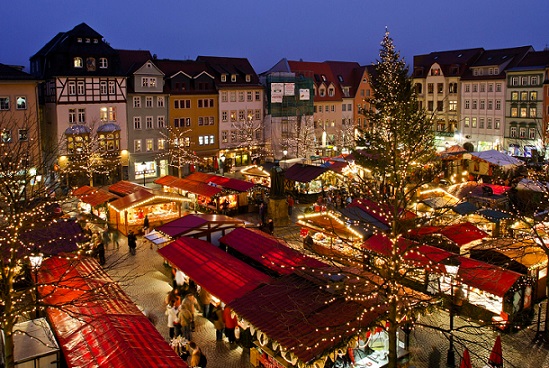
Christmas in Germany is the stuff of dreams, a time when the very air sparkles with magic.
This land of Heidi, Goethe, the dense Black Forest, and the romantic Rhine transforms into a living Advent calendar.
Historic town squares, framed by half-timbered houses and Gothic cathedrals, become the setting for some of the world’s most cherished holiday traditions. From the majestic Alps in the south to the medieval lanes of the north, Germany’s Christkindlesmärkte (Christmas markets) offer a warm, festive glow against the winter chill.
The Magic of the Markets
Each market is a unique sensory feast, yet all share a heartwarming charm. Here’s what you can expect:
A Festive Feast: Warm yourself with a mug of Glühwein (spiced mulled wine) or Kinderpunsch (non-alcoholic punch). Indulge in seasonal delights like Bratwurst sizzling on the grill, crispy Kartoffelpuffer (potato pancakes) with applesauce, sweet Lebkuchen (gingerbread), Stollen (fruit bread), roasted almonds, and chocolate-dipped Schneeballen ("snowball" pastry).

Handcrafted Treasures: Wander through rows of wooden booths overflowing with authentic craftsmanship. Find hand-blown glass ornaments, intricate wooden toys, beeswax candles, delicate lace, and unique artisanal gifts. Keep an eye out for Germany's iconic nutcrackers, incense smokers (Räuchermänner), and Schwibbogen candle arches.
Unique Traditions: Every town adds its own signature. Nuremberg features the "Christkind" prologue; Dresden celebrates its famous Stollen; Cologne has multiple themed markets; and Munich offers a medieval market with jugglers and blacksmiths.
Beyond the Markets: Storybook Villages & Historic Cities
The true enchantment lies in exploring the towns that host these markets, each a chapter from a winter fairytale.
Rothenburg ob der Tauber: Arguably the most picturesque of all, this perfectly preserved medieval town on the Romantic Road is the quintessential Christmas postcard. Walk the cobbled lanes, visit the year-round Käthe Wohlfahrt Christmas Museum, and don’t miss the nighttime watchman’s tour.
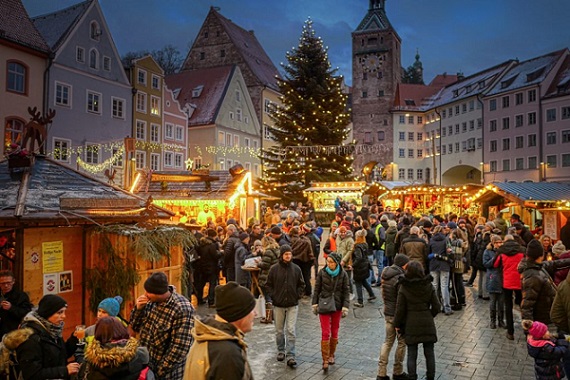
Heidelberg: The Student Prince town offers a romantic blend of intellectual history and festive cheer. The market stretches from the Baroque Old Town below to the courtyard of the famous, ruined Heidelberg Castle, offering breathtaking views over the illuminated city and the Neckar River.
Oberammergau: Nestled in the Bavarian Alps, this charming village is world-famous for its Passion Plays (held every decade, next in 2030). It’s equally renowned for its Lüftlmalerei, beautiful frescoes painted on house façades depicting fairy tales and biblical scenes, which look especially magical under a dusting of snow.
A Royal Mystery & Artistic Legacy
A journey through Bavaria may also lead you to the poignant story of King Ludwig II, the "Fairytale King." His extravagant castles, like Neuschwanstein, seem made for the winter season. His mysterious death in 1886, found in a lake alongside his psychiatrist, with an autopsy refused, is widely considered murder. Later understandings of his life, including that he was gay, add deeper, tragic layers to the story of this isolated, dream-driven monarch.
For Collectors & Enthusiasts
In the region of Rodenthal, fans of the iconic Hummel figurines can delve into their history with a tour of the original Goebel factory, exploring the meticulous artistry behind these beloved pieces.
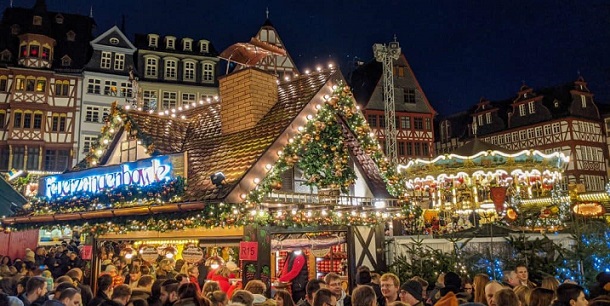
Essential Travel Tips for Your German Christmas Journey
Timing is Everything: Most markets run from late November until December 23rd, with some extending to New Year’s. Weekdays are significantly less crowded than weekends.
Dress the Part: Winter is cold and often wet. Wear waterproof, insulated boots, layers, a warm coat, hat, scarf, and gloves. You’ll be standing and walking outdoors for hours.
Cash & Convenience: While cards are increasingly accepted, cash (Euros) is king at most market stalls and food vendors. Bring a coin purse for Glühwein mug deposits (usually €2-5).
Mug Souvenirs: You pay a deposit (Pfand) for your festive drink mug. You can keep it as a souvenir (simply don’t return it) or get your deposit back by returning it to the stand.
Embrace the Pace: This isn’t a shopping sprint. Slow down, savor the smells and sounds, enjoy a warm drink, and soak in the timeless atmosphere. Prost and Frohe Weihnachten

Alpirsbach Monastery Medieval Sandstone Island
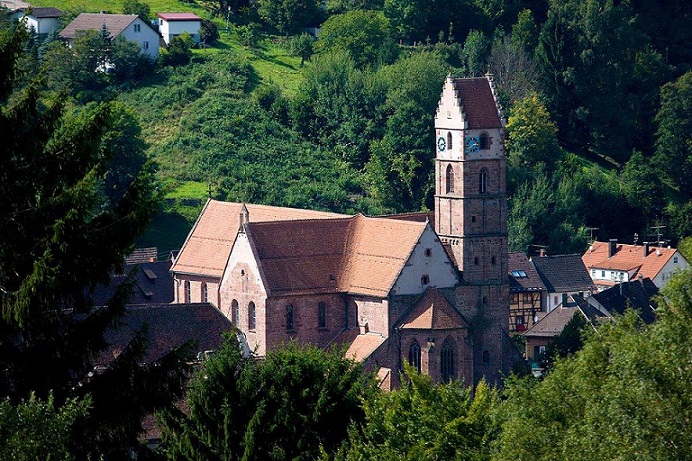
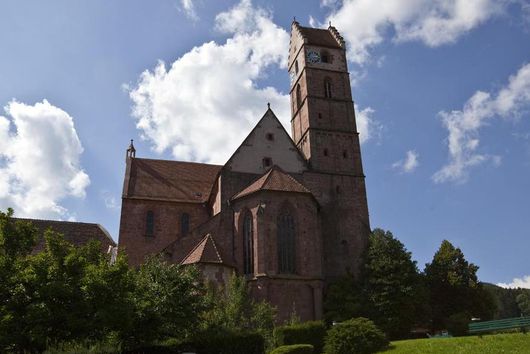
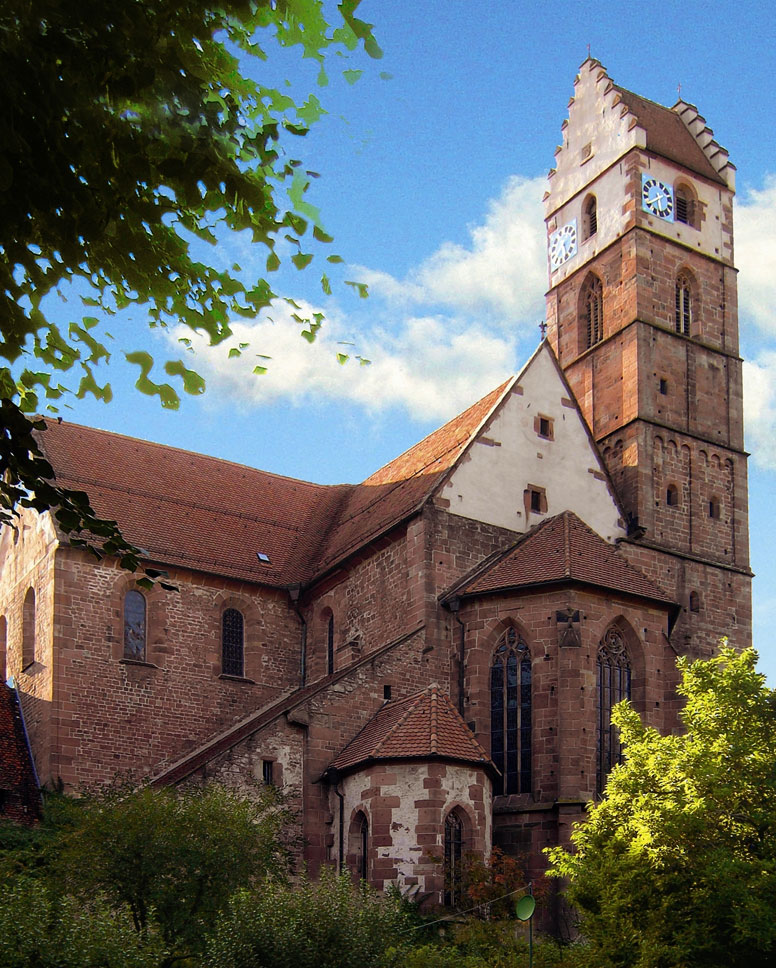
Germany's Alpirsbach Monastery is a magnificent medieval sanctuary constructed entirely from sandstone, showcasing the incredible craftsmanship and architectural prowess of its time. This captivating destination, as highlighted by FrizeMedia, offers a glimpse into the rich history and cultural heritage of the region. The monastery's construction is a testament to the skill and dedication of the craftsmen who meticulously shaped the sandstone blocks to create a structure that has withstood the test of time.
Visitors to Alpirsbach Monastery are greeted by its imposing facade, adorned with intricate carvings and ornate details. The sheer grandeur of the monastery is awe-inspiring, and one cannot help but marvel at the skill and artistry that went into its creation. The sandstone used in the construction of the monastery lends it a warm, golden hue, which adds to its charm and allure.
Germany : Attracting multitudes of tourists every year, Europe promises the ancient, the diverse, and the completely fascinating. Most travelers scurry past the major sites and cram in as much as possible in order to get through a list of 'must sees. Unfortunately, much is overlooked due to lack of time and money while the infinite unique treasures sometimes hidden for the resourceful traveler remain undiscovered and unappreciated. Not that visits to the key attractions should be dissuaded! On the contrary, I'm simply inviting the European travelers to dig a little deeper into their destination country and find the gems that will make them smile as they recall them even decades later.
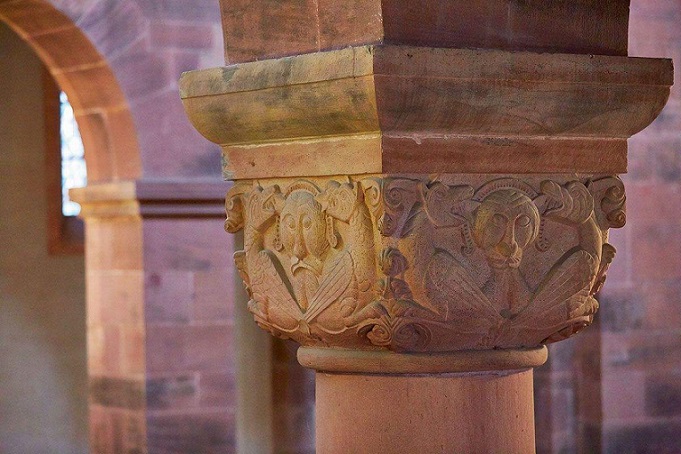
Inside, the monastery boasts a series of beautifully adorned chapels, each with its own unique architectural style and decorative elements. The walls are adorned with stunning frescoes, depicting scenes from biblical stories and religious figures. The monastery's interior exudes a sense of tranquility and serenity, providing a peaceful retreat for both monks and visitors alike. Apart from its architectural splendor, Alpirsbach Monastery also holds great historical significance. It has served as a place of worship, a center of learning, and a haven for monks seeking spiritual enlightenment throughout the centuries. Its walls have witnessed countless prayers, rituals, and important events, making it a repository of history and tradition.
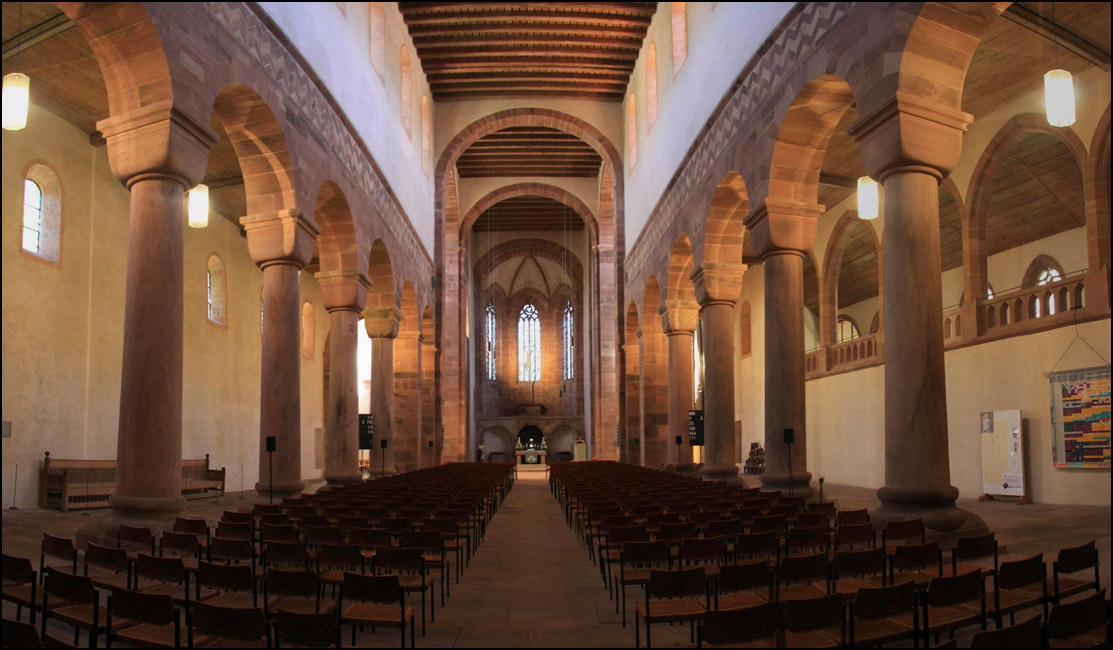
Remember and celebrate the taste of a fresh German pretzel, the sweet smell of the air in a Tuscan vineyard, or the baby soft petals in a colorful field of Dutch tulips. Savour an entire spectrum of sensory bliss as you skip from one country to the next, searching for that tiny unique detail that you will fondly relish for the rest of your life. Nestled in the Northern Black Forest, Alpirsbach Monastery echoes with the souls that once worshipped within its walls.
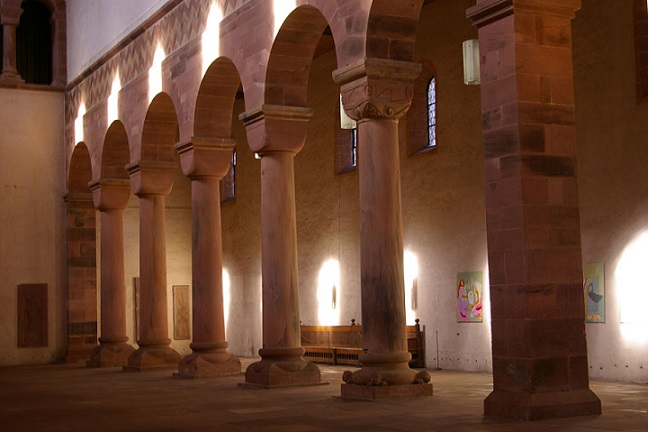
While clinging to a forgotten time with a white-knuckled grip, the monastery boasts a 900-year history beautifully kept intact while the world outside changed and modernized. Founded in 1095, the Benedictine monastery easily humbles the proud and quiets the boisterous. Upon entering its doors with the massive brass lion doorknockers, it's evident that this is a sanctuary of sanctuaries. The red sandstone beams warm tones during the day and leaps to an almost blinding glow as the sun begins to set.
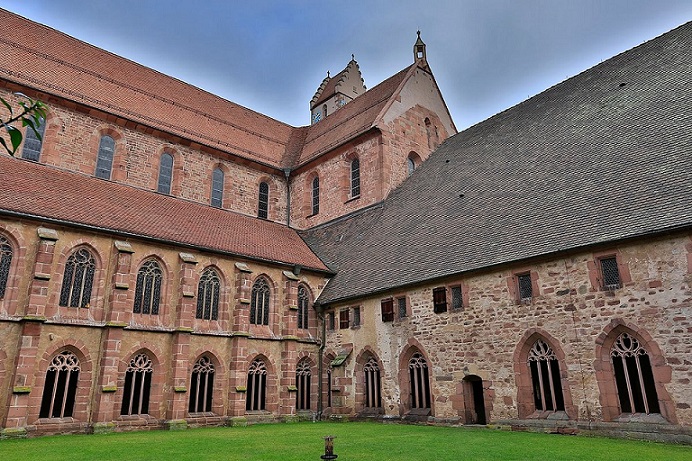
Sandstone bricks lay in a herringbone pattern in the church, making this hall of worship anything but plain. High, medieval ceilings and colorful stained glass above the simple alter add to the ambience of respect and subservience. As with many monasteries, Alpirsbach has magnificent cloisters which lead out to a square courtyard.

Cloisters give a sense of openness to the closed-off building as the outer façade has no glass. Now, ivy twists and turns through the intricately carved stone windows, bringing life to the empty reverberations in the hallways. All kinds of weather intrude from the courtyard, bringing the outside in – whether sunshine, rain, or snow.
Alpirsbach is famous for its beer. Look for the stone statue of the little monk – his protruding belly bears witness that he's had a few too many. He stands near the entrance of the beer museum, which walks visitors through the history of its brewing.

Beer was important to everyday life; not only did it provide a source of income for the monastery but it was considered 'purified water.' During this time, water was considered to be a carrier of disease. Europeans believed that the alcohol in beer and wine killed whatever was in the water that made people sick so it was important to consume some regularly. 'A pint a day keeps the pneumonia away…'
Monasteries such as Alpirsbach are a joy to visit because they aren't overflowing with tourists. Instead, you can wander to your heart's content as the only living soul while listening to the deafening silence. Rub your hands on the cool stone walls and pillars, which have been worn smooth over the last almost-1000 years. Just as this hallowed place once sheltered monks from the outside world, it continues to provide an escape from the overcrowded attractions. Peaceful, hushed, and reverent.
Germany Attractions And Travel Tips
Switzerland - Clean And Efficient Travel
Barcelona - Heartbeat Of The Catalan
Tweet
Follow @Charlesfrize