Atlanta
Visit Historic Atlanta

Atlanta, Georgia, is a vibrant metropolis whose dynamic present is rooted in a rich and colorful past. The city's story began in 1837 when it was established as the terminus of the Western & Atlantic Railroad. First known as Marthasville, in honor of the governor's daughter, its pivotal railroad role soon earned it the nickname "Terminus." The name was later changed to Atlanta, the feminine form of "Atlantic," permanently linking the city's identity to the rails.
From these humble beginnings, Atlanta rapidly grew into a commercial and industrial powerhouse. Today, that legacy of connectivity continues on a global scale. Atlanta is now renowned as one of the world's premier transportation and logistics hubs, home to the world's busiest airport and a vital nexus of interstate highways and rail lines. Its journey from a single railroad terminus to an international crossroads defines its enduring spirit of progress and resilience.
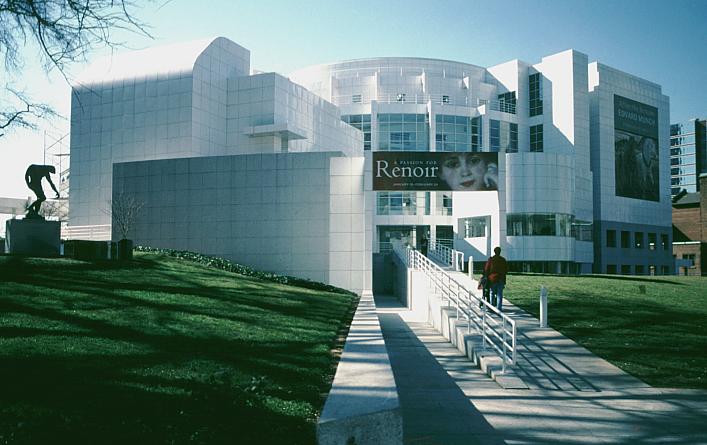
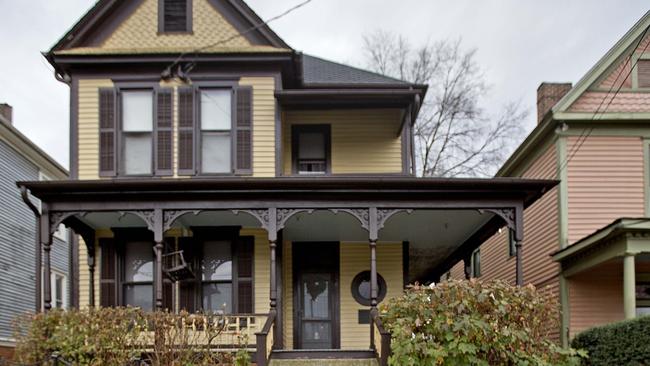
Hartsfield-Jackson Atlanta International Airport, one of the nation’s busiest hubs for daily passenger traffic, has been a catalyst for Atlanta’s emergence as a global city. Its extensive network of direct flights to Europe, Asia, and South America has made metropolitan Atlanta a highly accessible base for more than 1,000 international corporations. This connectivity has attracted over 50 countries to establish a formal presence in the city through trade offices, consulates, and chambers of commerce. Bolstered by this international ecosystem, Atlanta has grown into a major banking center and serves as the world headquarters for multiple Fortune 500 companies, solidifying its status as a leading node in the global economy.
For forty formative years, Atlanta’s history was defined by the Civil Rights Movement. The visionary leaders who called the city home championed freedom and made immense sacrifices for peace, directly enabling the rise of the modern Atlanta we know today.

The relentless work and ambition of its citizens built Atlanta into a thriving modern capital. However, beneath its gleaming skyline, the city’s identity is still profoundly shaped by its past, revered by many as the enduring capital of the Old South. This fascinating tension between the future and the past is what makes Atlanta the emblem of the "New South": a place where rapid innovation lives side-by-side with an unyielding pride in its legacy.
Over the past three decades, the Atlanta metropolitan area has experienced explosive growth. While the population of Atlanta’s city proper remained nearly stagnant at around 420,000 in the 1980s, the broader metro area has since expanded dramatically. Today, the metropolitan population has grown by nearly 40 percent, adding 1.2 million new residents.
Key Patterns of Growth
The growth has been highly uneven across the region:
- Suburban and Exurban Boom: The most explosive growth occurred in outer counties. For example, from 1990 to 2020, Forsyth County grew 470% and Henry County grew 310%. This pattern is shown in historical data where the "2nd Ring" suburbs captured over 75% of all regional growth between 2000-2004.
- Recent City Growth: After decades of population decline through the late 20th century, the city's population has been growing again since the 1990s. It gained about 10,600 new residents in a single recent year.
- Metro Expansion: The metro area's population has grown five-fold since 1950, transforming it into the 8th largest in the U.S.
What's Driving Atlanta's Growth?
Several interconnected factors explain this sustained expansion:
- Economic & Transportation Hub: Atlanta is a major center for logistics, finance, media, and technology, anchored by the world's busiest airport. This draws continuous corporate and job growth.
- Sustained In-Migration: Large, sustained migration from other parts of the U.S. and internationally has been the primary driver. This influx of new residents continuously changes the region's culture and economy.
- Demographic Shifts: The region is becoming more diverse. Between 2020 and 2025, the Hispanic population share was projected to rise significantly, while the shares of White and Black residents were expected to decrease.
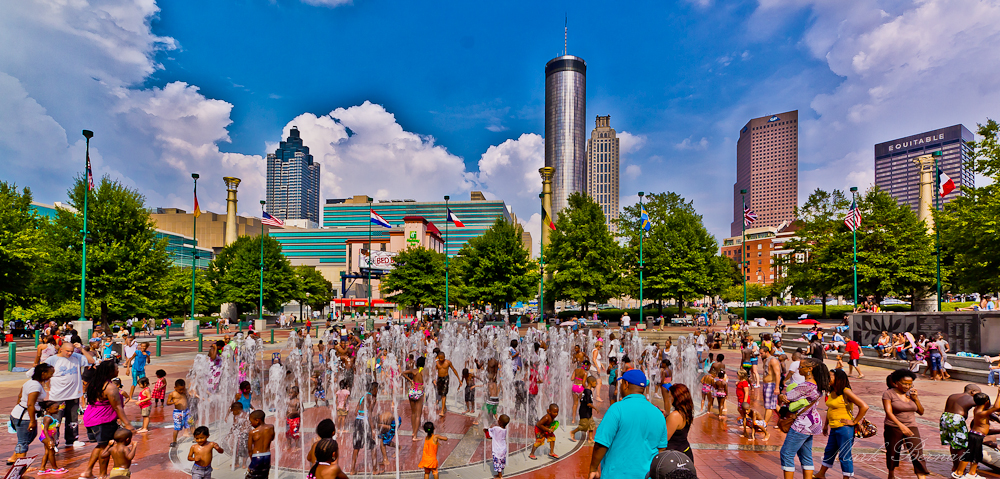
The city of Atlanta uses new development as a measure of its growth, a trend clearly visible in its ever-changing skyline. This transformation is not confined to the downtown core; significant construction of new skyscrapers also occurs in Midtown, Buckhead, and the outer perimeter business districts along I-285.
Since the late 1970s, dozens of skyscrapers designed by renowned architects have reshaped the city's profile. Architects like Marcel Breuer, I. M. Pei, and Philip Johnson have applied their vision and talents to Atlanta's development. Breuer, for instance, designed the notable Central Library building in Downtown Atlanta. Johnson was the architect behind One Atlantic Center (also known as the IBM Tower) in Midtown, while Pei designed the Gulf Oil Building.
Atlanta's architectural growth is characterized by several key features:
Multi-District Skyline: Unlike many cities with a single core, Atlanta's skyscrapers are distributed across three primary urban clusters: Downtown, Midtown, and Buckhead, creating a skyline that stretches northward along Peachtree Street.
Ongoing Expansion: The building boom that accelerated in the 1980s and 1990s continues. Recent and planned developments are particularly concentrated in Midtown and the Perimeter area, focusing on mixed-use spaces that combine offices, residences, and retail.
Historical Context: This modern wave of construction followed earlier phases of growth, with Atlanta's first steel-framed skyscrapers appearing in the late 19th and early 20th centuries.
Atlanta: Past and Future in the Southeast
Atlanta stands as the "Capital of the Southeast," a city propelled toward the future yet deeply anchored in its past. This unique character is visible in its booming neighborhoods like Midtown and Buckhead, symbols of a continuous population surge. Yet, within this dynamic and cosmopolitan heart of the "New South," there remains an undisputed element of the "old", a tangible history that grounds its progress.
Once known during the turbulent 1960s as "The City Too Busy to Hate," Atlanta's ethos has evolved into a prouder, more purposeful motto: "The City Not Too Busy to Care." This spirit stems from the city's very soul: a rich heritage that actively enhances and elevates the quality of life within its otherwise fiercely contemporary community.
Tweet
Follow @Charlesfrize