Go Far, Spend Less: The Ultimate Value Destination Guide

No Compromise Travel: Affordable International Gems
England Costa Rica Lanzarote New England Phuket Balearic Islands Cyprus Beijing Florence Vancouver Germany Machu Picchu Paris Alice Springs San Francisco Ghana Travel International Travel Destinations Botswana Barcelona Europe Travel Private Jet charter

The Savvy Traveler's Guide: Top International Budget Destinations That Deliver Big Value

Traveling on a budget doesn't mean sacrificing unforgettable experiences.
Across the globe, certain destinations offer natural beauty, rich cultural experiences, delicious cuisine, adventure, memorable attractions at a fraction of what you'd spend in Western Europe, North America, or Australia.
This guide reveals where your money stretches furthest and provides actionable tips to make every dollar count.
Key Insights Before You Go
The golden rule of budget travel is that your money stretches furthest where local economies are less tied to the US dollar or euro. Southeast Asia, Eastern Europe, Central America, and parts of South America consistently offer the best daily budgets.
Your biggest expenses, accommodation and transportation, vary enormously by region. A hostel bed in Bangkok might cost $8, while the equivalent in Tokyo runs $35. Similarly, a cross-country train in India could cost $15 versus $150 in the UK.
Seasonality trumps destination when maximizing value. Visiting a moderately priced destination during peak season might cost more than visiting an expensive destination during off-season. Shoulder seasons (spring and fall) often provide the sweet spot of good weather and low prices.

Top Value Destinations by Region
Southeast Asia: The Undisputed King of Budget Travel
Vietnam remains the king of budget travel. A bowl of pho from a street vendor costs $1.50, a private room in Hanoi's Old Quarter averages $15, and an overnight train from north to south runs about $40. The country's staggering beauty, from Ha Long Bay's karsts to Hoi An's lantern-lit streets, costs little to access. Entry to most temples and historical sites runs $2-5.
The country's length means diverse experiences, from trekking in Sapa's rice terraces to cruising Halong Bay. Overnight buses and trains are both affordable and efficient, saving you accommodation costs while covering long distances.
Cambodia offers even lower prices, particularly outside Siem Reap. The Angkor Wat complex, while requiring a $37 three-day pass, provides unparalleled historical exploration. Daily expenses average $25 to $35 for comfortable travel, including meals, accommodation, and local transport. Phnom Penh's genocide museums and the relaxed riverside town of Kampot add variety without straining your wallet.
You can eat three meals for $6, rent a motorbike for $7 per day. The country uses US dollars alongside the local riel, simplifying budgeting.
Laos moves at a slower, cheaper pace. The UNESCO town of Luang Prabang offers beautiful temples and the stunning Kuang Si Falls. A river trip on the Mekong, tubing in Vang Vieng, and plain of jars exploration keep costs remarkably low, budget around $20 to $30 daily.
Indonesia, particularly outside of tourist-heavy Bali, offers incredible value. The island of Java features ancient temples, active volcanoes, and vibrant cities where you can live well on $25 per day. Local transport between cities on crowded but efficient minibuses costs just a few dollars.
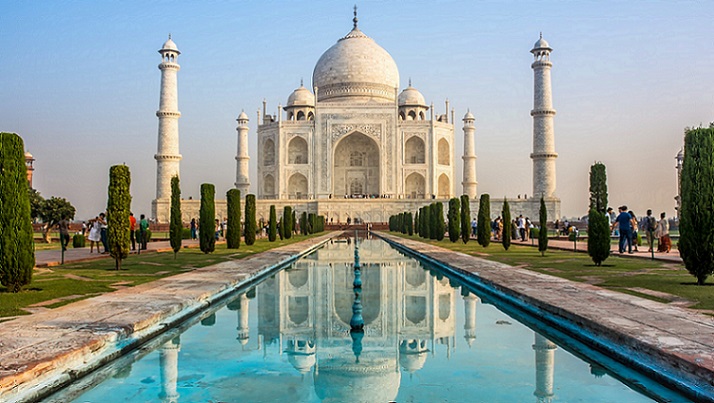
South Asia: Where Your Dollar Becomes Royalty
India presents perhaps the widest gap between cost and experience quality. Street meals cost $1 to $2, dorm beds from $3 to $5, and private hotel rooms from $8 to $15. The train network, particularly sleeper class, moves you between incredible destinations like Rajasthan's palaces, Kerala's backwaters, and Himachal's mountains for pennies. Budget travelers comfortably manage on $25 to $35 daily, including activities and transport.
Nepal caters specifically to budget trekkers. Outside peak seasons, teahouse trekking, where you stay in village lodges along trails, costs $20 to $30 daily including three meals. The Annapurna and Everest regions are accessible without guides for experienced trekkers, though hiring local guides supports communities and enhances safety. In Kathmandu and Pokhara, comfortable rooms run $10 to $15.
Sri Lanka bounced back remarkably. Public buses are incredibly cheap, a three-hour journey often under $2. Train trips through tea country offer stunning scenery. Accommodation ranges from simple homestays at $10 to boutique guesthouses at $25. Food from local cafes (hotels in local parlance) costs $2 to $4 per meal.

Eastern Europe: European Charm Without the Price Tag
Poland delivers the European experience, castle-topped hills, medieval squares, hearty cuisine, at roughly half the cost of Germany or France. A dorm bed in Krakow costs $12, a filling pierogi dinner with beer runs $8, and museum entry fees rarely exceed $6. Train connections between Warsaw, Krakow, and Gdansk are fast and affordable.
Albania has emerged as the Mediterranean's best-kept secret. The Albanian Riviera offers beaches rivaling Greece for a fraction of the price. A seaside apartment in Saranda costs $30 per night split between two people. Fresh seafood dinners with wine run $12. UNESCO town of Berat and Gjirokastër's Ottoman-era towns, the Accursed Mountains for hiking, and Tirana's vibrant cafe culture keep daily expenses under $40 including accommodation.
Turkey continues to offer tremendous value despite recent inflation. Istanbul's food scene remains affordable, a full kebab meal with salad and bread costs $5. Entry to the Hagia Sophia is now free (converted back to a mosque), and the Grand Bazaar asks only your time and haggling skills. Outside Istanbul, prices drop significantly, with cave hotels in Cappadocia starting around $40.
Bosnia and Herzegovina combines Ottoman and Austro-Hungarian history. Sarajevo's old bazaar, Mostar's iconic bridge, and rafting on the Neretva River offer variety. Meals run $5 to $8, private apartments $15 to $25. The people's warmth costs nothing.
North Macedonia remains overlooked and underpriced. Lake Ohrid, a stunningly beautiful UNESCO site, offers lakeside rooms from $20. Skopje's quirky statue-filled center provides free entertainment. Wine at restaurants costs $2 to $4 per glass. Budget travelers manage on $30 to $40 daily easily.

Latin America: Value Close to Home for North Americans
Mexico offers exceptional value outside resort zones. Oaxaca, Guanajuato, San Cristóbal de las Casas, and Mexico City's central neighborhoods provide incredible food, culture, and history. Street tacos cost under $1, excellent budget meals $4 to $7, and attractive private rooms $15 to $25. The bus network is comfortable and reasonably priced. Daily budget of $40 to $50 affords very comfortable travel.
Colombia has transformed from no-go zone to must-visit destination. Medellin offers spring-like weather year-round, modern metro systems, and hostels from $10. A coffee farm tour in the Zona Cafetera costs $15 including tastings. Street arepas fill you for $1.50, and a full bandeja paisa platter runs $7. Domestic flights via Viva Air or Latam, booked early, cost $30 to $60 between major cities. Budget $35 to $45 daily.
Colombia continues surprising visitors with its value. Medellín's metro area, Salento's coffee region, and Cartagena's walled city (stay in Getsemaní, not the historic center) keep costs manageable. A set lunch menu (corriente) runs $3 to $5. Hostels average $10 to $15 for privates.
Guatemala rewards slow travelers. Guatemala allows you to learn Spanish one-on-one for $150 per week including homestay with meals. Lake Atitlan's volcanoes and indigenous villages charge no entry fees.
Antigua's ruined cathedrals and cobblestone streets are free to wander. A chicken bus ride (converted US school buses) between towns costs 50 cents. The Tikal ruins charge $20 for entry, one of the pricier attractions but worth every cent. Simple rooms run $10 to $15. A week's budget of $250 to $300 covers comfortable travel without extravagance.
Bolivia remains South America's cheapest country. A salt flat tour across the otherworldly Uyuni Salt Flats costs $120 for three days including transport, guide, meals, and accommodation. The death road bike tour near La Paz runs $40. Daily budgets of $20 provide private rooms, three meals, and attraction entry fees.

Essential Budget Travel Strategies
Timing transforms costs. Travel during shoulder seasons, just before or after peak tourist periods, reduces accommodation by 30 to 50 percent while maintaining decent weather. Southeast Asia's rainy season (May to October) offers lowest prices; rain typically falls in short afternoon bursts.
Eat where the locals eat. Street food stalls and market vendors serve the same dishes as restaurants for one-third the price. Look for places with lines of workers during lunch hours, that's the quality indicator.
Transport choices matter enormously. Overnight buses and trains save both money and a night's accommodation. In Southeast Asia, minibans and local buses cost far less than tourist shuttles. In Latin America, colectivos (shared taxis) and chicken buses are your friends. Always confirm prices before boarding and ask locals what the standard fare should be.
Use overnight transportation. Sleeper buses and trains save you a night's accommodation cost while covering ground. In Vietnam, the overnight train from Sapa to Hanoi costs $35 including a bed. In Peru, Cruz del Sur's first-class sleeper seats rival business class on planes.

Walk or take local transit. Skip taxis and ride-sharing apps where possible. Learning the local bus or minivan system saves 90% of transport costs and offers authentic cultural immersion. Download offline maps before arriving.
Accommodation strategies stretch budgets further. Hostels aren't the only option. Guesthouses, homestays, and locally-owned hotels often offer private rooms for only slightly more than a hostel dorm bed. In many countries, asking at the bus station upon arrival yields same-day deals as accommodation owners compete for guests.
Stay in guesthouses over hotels. Family-run guesthouses provide better value than international hotel chains, often including breakfast and local advice. Negotiate weekly rates for the best deal, many guesthouses will drop prices by 30% for stays of seven nights or more.
Book attractions independently. Skip the tour operator's markup. Most sites can be visited by taking local transport to the entrance and paying the entry fee directly. The only exceptions are remote destinations requiring organized transport or permits.
Eating like a local halves food costs. Street food in Asia and Mexico is safe, delicious, and costs $1 to $3. Markets provide picnic ingredients. The set lunch menu (menu del día in Latin America, thali in India, plate of the day elsewhere) offers the best value of all, a full meal for a few dollars. Avoid restaurants with English menus and pictures; these target tourists with triple prices.

Money-Saving Tips Specific to Each Region (Comfortable Backpacker Style)
Southeast Asia: Use 12Go or Bookaway for transport comparisons, but book directly at stations when possible. Sim cards cost $5 to $10 for ample data. Negotiate tuk-tuk fares before boarding, or better, use Grab (Southeast Asia's Uber) where available.
South Asia: In India, use Ola or Uber to know fair taxi prices before negotiating with auto-rickshaws. Nepal's trekking permits must be official; anyone offering cheaper alternatives is scamming you. Sri Lanka's train tickets for popular routes (Kandy to Ella) sell out days ahead, book online or arrive hours early.
Latin America: Learn basic Spanish, it reduces prices by 20 percent instantly. Use local currency, not dollars. In Mexico, ADO buses are premium; second-class buses cost less and stop where you actually want. Colombia's Uber works but isn't strictly legal; Didi or local taxi apps often work better.
In Colombia or Guatemala, expect $30-45 per day. The main variance comes from transport between cities, which can add $10-20 on travel days.
Eastern Europe: Balkan countries use different currencies, don't assume euros are accepted. Local bakeries (pekara) provide cheap breakfasts. The Balkan Flexi Pass saves money for multiple train journeys, but buses are often cheaper anyway.
In Vietnam, Cambodia, or Indonesia, plan on $25-35 per day for a private room, three local meals, one paid attraction, and local transport. Drop to $15-20 if staying in dorms and cooking occasionally.
In Poland or Turkey, budget $40-50 daily for similar comfort levels. Private rooms cost more, but food and attractions remain reasonable.

Red Flags: When "Cheap" Costs More
Exceptionally cheap tours (under $15 for a full day) likely include mandatory shopping stops or poor safety standards. Street food that looks unsanitary or has no local customers should be avoided. Accommodation priced significantly below market rates in prime areas may have bed bugs, no hot water, or unsafe neighborhoods. Always check recent reviews on multiple platforms.
Final Thoughts on Value Travel
The best value destinations share common traits: strong local currencies relative to the dollar or euro, developed tourism infrastructure that creates competition, and local economies where $30 to $50 constitutes good daily wages. The countries listed above deliver rich experiences, ancient temples, mountain treks, colonial cities, pristine beaches, without the price tags of their more famous neighbors.
Subscribe to travel blogs focused on budget travel, join expat forums for current pricing, and always check recent travel reports before booking.
Consider starting your trip in the most expensive destination on your wishlist while your budget is fresh, then moving to cheaper locations as funds deplete. This natural progression keeps travel sustainable for longer journeys.
Remember that "budget" doesn't mean uncomfortable. It means making intentional choices: eating where locals eat, sleeping in family-run guesthouses, moving via local transport, and traveling slower. A month in Vietnam or Colombia often costs less than a week in Japan or Switzerland. That difference funds your next adventure.
Tweet