Madrid
Spain Capital Facts And Things To Do

A Day Trip To Avila From Madrid Is A Must
Compared to venerable Spanish cities like Seville and Valencia, Madrid is a relative newcomer, and as such, it lacks the deep-rooted traditions of ancient Andalusia and Castile. Situated on a vast, exposed plateau, the city endures dramatic temperature swings, with daily fluctuations sometimes reaching 22°C. Locals wryly describe their climate as nine months of winter followed by three months of hell.
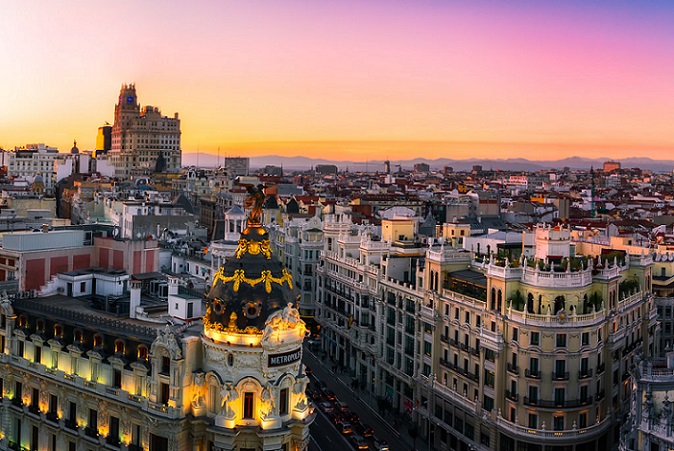
Madrid serves as the nation's primary transportation and administrative hub. Its commercial and industrial sectors expanded rapidly after the 1890s, and today it stands as the country's leading center in these fields, second only to Barcelona. Beyond its numerous manufacturing industries, Madrid is also a key hub for banking, education, printing, publishing, tourism, and film production.
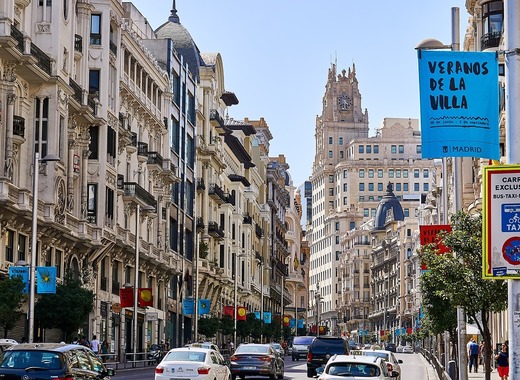
Madrid presents a fascinating blend of old and new, featuring modern boulevards and chic shopping districts alongside the picturesque, winding streets of its historic quarters. At the city's heart lies the Plaza Mayor, a magnificent 17th-century square designed in the distinctive style of Juan de Herrera. Nearby stands the Royal Palace, an exquisitely opulent residence that commands attention with its grandeur.
Culture enthusiasts will appreciate the beautifully restored 1850 opera house and the impressive 19th-century landmark that houses the national library, archives, and archaeological museum. For natural beauty, the Buen Retiro Park offers Madrid's most enchanting gardens. Established in 1631, this green oasis comes alive on weekends when musicians, tarot readers, and puppet shows attract lively crowds. Completing the city's architectural tapestry is the modern University City, which relocated from Alcalá de Henares in 1836.
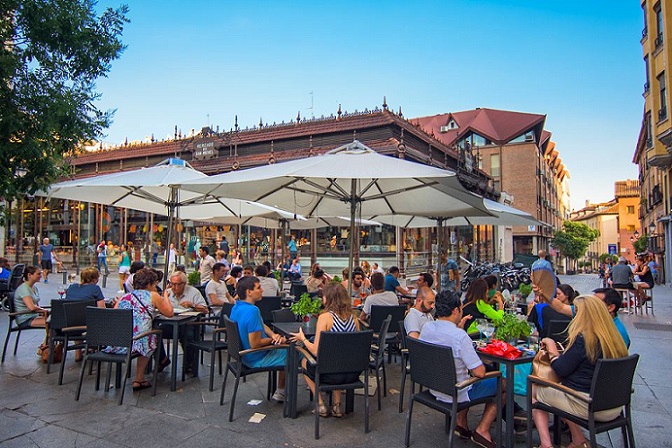
The best neighborhood for bars and clubs in Madrid is Malasaña. If you arrive before 1 a.m., you'll find the nightlife is just getting started. Cool Ballroom is arguably the top spot in the city. And don't forget to finish the night with the traditional chocolate con churros.
Madrid, as you might expect, has countless dining options, but be sure to try Casa Mingo near the Manzanares River. Their house specialty is a whole roast chicken served with a simple salad and a bottle of cider.
On Sunday, you should join much of the city's population in the Embajadores neighborhood for the flea market at El Rastro. While most of what's on offer is odds and ends, there are a few stalls that feature genuine antiques.
If you're a football fan, try to get tickets for a Real Madrid home game at the spectacular Santiago Bernabéu Stadium. It’s your chance to see the famous "galácticos" in action.
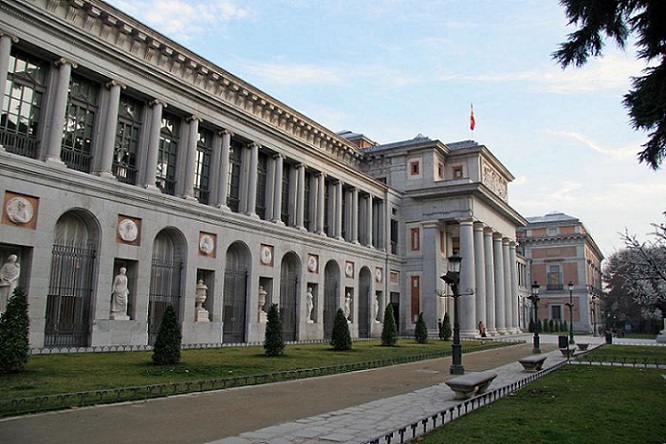
Madrid is home to three outstanding art museums. The Prado boasts one of the world's finest art collections, featuring masterpieces by Velázquez, El Greco, Goya, Murillo, Ribera, Hieronymus Bosch, Rubens, Botticelli, Mantegna, Titian, Rembrandt, Mengs, Poussin, and Gainsborough.
The Thyssen-Bornemisza Museum, located in the beautifully restored Villahermosa Palace, showcases one of the most comprehensive private collections of European art.
For modern art, the Queen Sofia Museum offers a rich array of works, including turn-of-the-century Catalan Modernism, Juan Gris's Cubist pieces, bronze sculptures by Pablo Gargallo, around 20 canvases by Salvador Dalí, and Picasso's powerful condemnation of the German bombing of Guernica during the Spanish Civil War.
Also worth a visit is the Monasterio de las Descalzas Reales, which houses an intriguing collection of treasures.
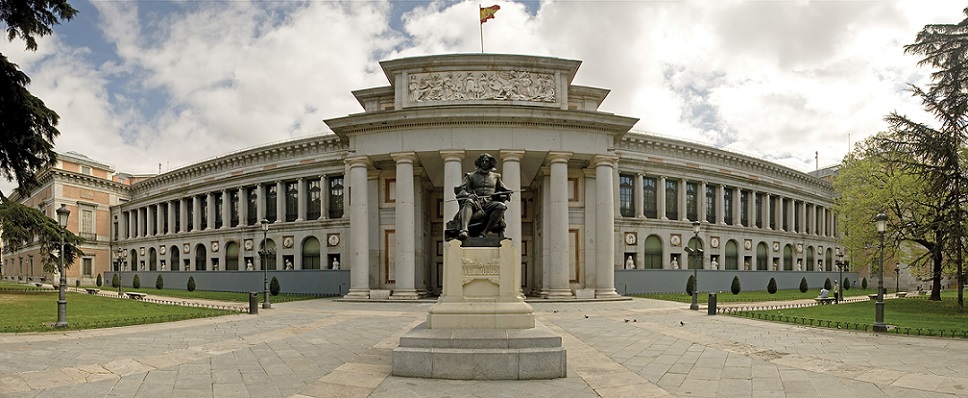
Prado Museum Madrid Spain
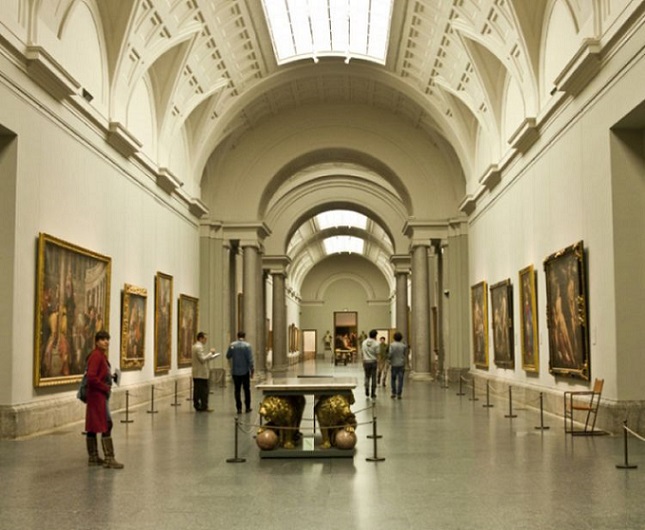
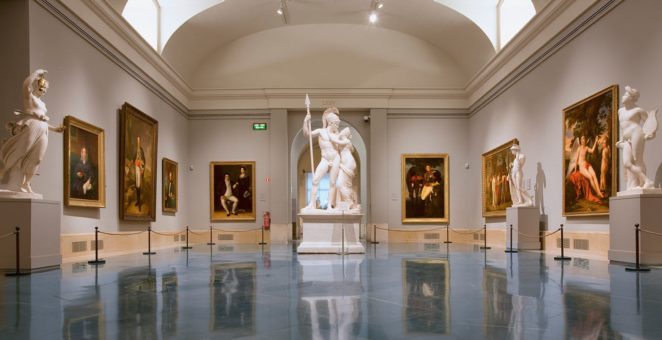
Madrid is first documented in the 10th century as a Moorish fortress. In 1083, it was captured by Alfonso VI of Castile. Although the Cortes of Castile convened there on several occasions, and both the Catholic Monarchs and Emperor Charles V frequently stayed in the city, Madrid did not become the capital of Spain until 1561 under Philip II.
The city's early development was gradual, but it underwent significant expansion during the 18th century under the Bourbon monarchy. Landmarks such as the Royal Palace and the Prado Museum date from this period.
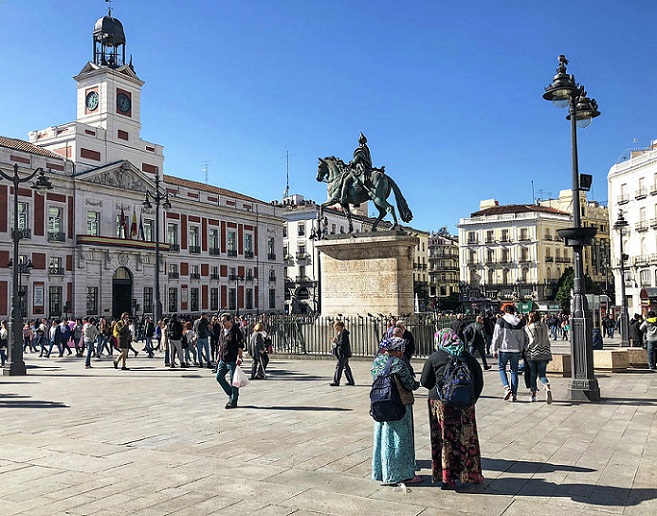
On May 2, 1808, as the Peninsular War began, Madrid witnessed a popular uprising against French occupation. A fierce clash unfolded in the Puerta del Sol, the city's central square. In retaliation, French forces executed hundreds of citizens that night along the Prado promenade. These events were immortalized by Francisco de Goya in two of his most renowned paintings, both now housed in the Prado Museum.
Madrid once again played a heroic role during the Spanish Civil War. Under the leadership of General José Miaja, the city withstood a 29-month siege by Franco's Nationalist forces, enduring repeated bombardments and air raids. It finally fell in late March 1939, effectively marking the end of the conflict.
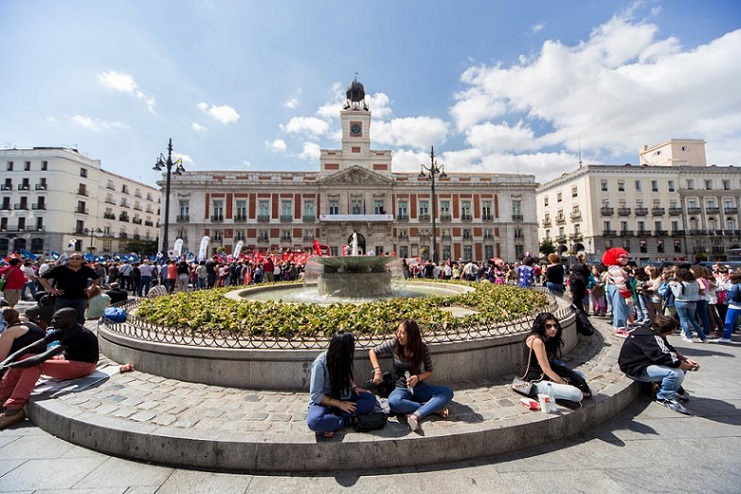
Madrid Puerta Del Sol Spain
Alcalá de Henares is situated approximately 30 kilometers east of Madrid, along the banks of the Henares River. Historically encircled by wheat fields, the construction of a major highway has since integrated it into Madrid's expanding suburban sphere. The town hosts a variety of industries, including the production of chemicals, plastics, electrical goods, leather, and ceramics. Key architectural highlights include a Gothic collegiate church and the former palace of the archbishop. In 1977, a new institution, the University of Alcalá de Henares, was established.
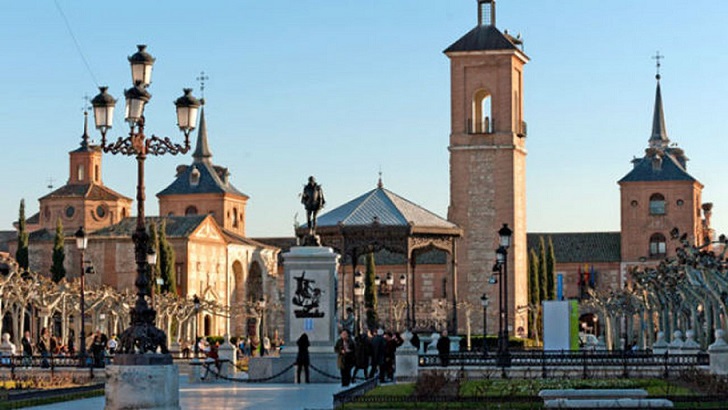
Alcala-de-Henares-Madrid
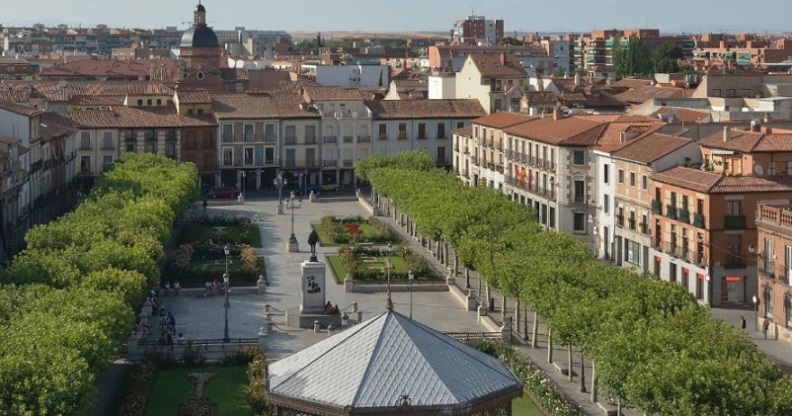
Originally known as Complutum in Roman times, this historic town rose to prominence as the seat of a renowned university founded in 1508, before the institution relocated to Madrid in 1836. It holds the distinction of being the birthplace of several notable figures, including Cervantes, Ferdinand I, and Katherine of Aragon. The town also witnessed a pivotal moment in Spanish legal history when the Cortes met there, leading Alfonso XI to proclaim the Ordenamiento de Alcalá. During the Spanish Civil War, the town suffered extensive damage..
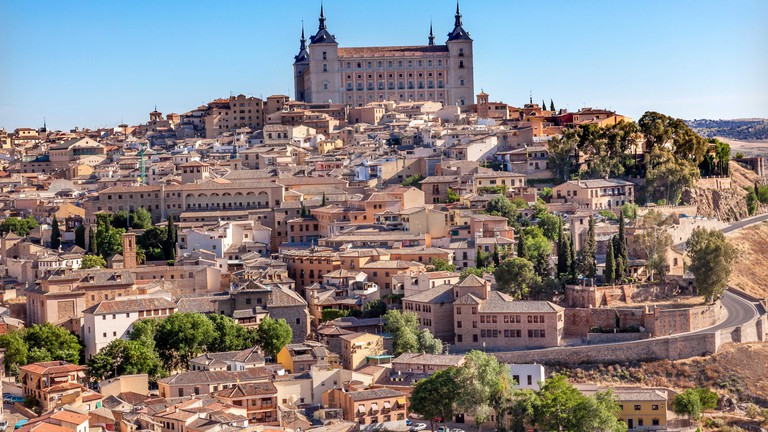
Toledo Spain
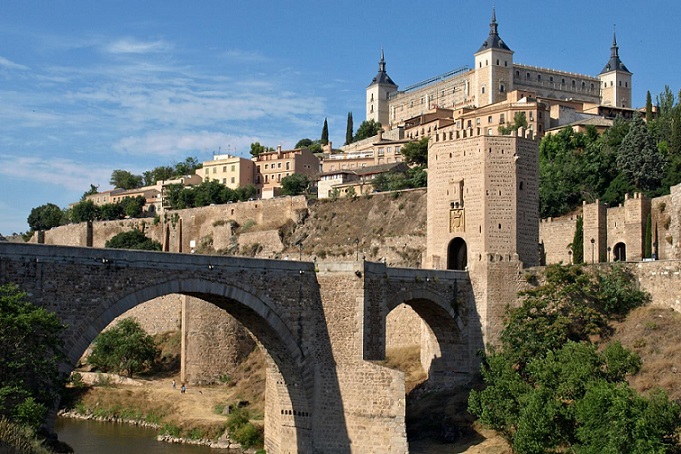
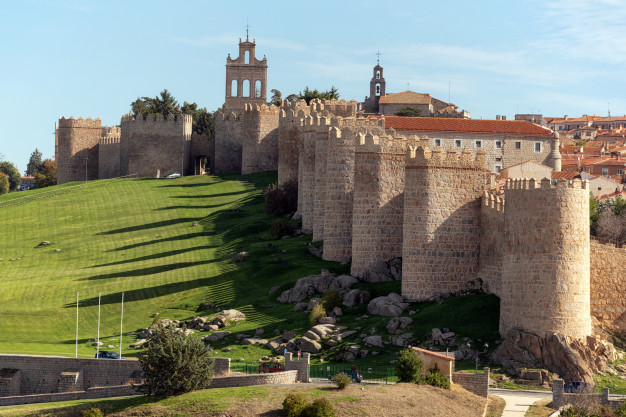
Avila Medieval City Spain
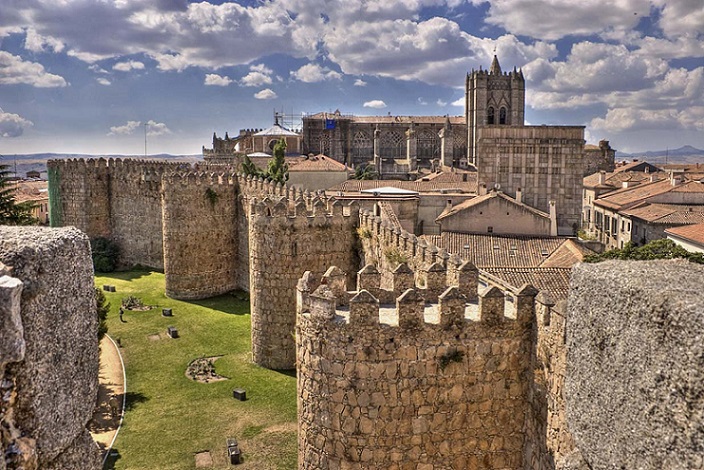
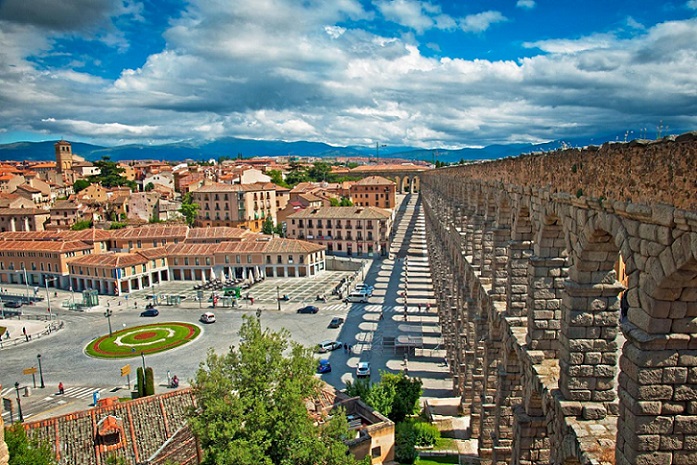
Avila Segovia Medieval City Spain
Other towns within the autonomous region of Madrid include Toledo, which served as the Spanish capital before Madrid. Ávila is notable for its remarkably intact ancient walls, and walking along them offers stunning views of both the town and the surrounding Castilian landscape. Segovia is home to its famed Roman aqueduct, a superb example of Roman engineering at its best. Guadalajara is also part of the region.

Tweet
Follow @Charlesfrize