Porto

Travel And Tourism In Portugal
Party with the Locals at Festa de São João: Porto’s Wildest, Weirdest, and Most Wonderful Night
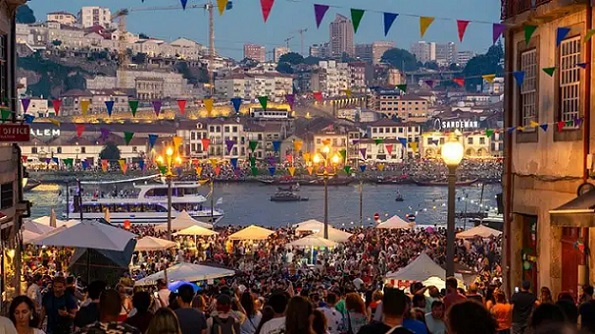
If there’s one night that transforms Porto from a charming riverside city into a full-throttle street carnival, it’s Festa de São João, the city’s beloved midsummer celebration held every year on the evening of June 23rd.
Forget quiet cobblestone alleys and sleepy cafés: for one magical night, the entire city throws open its doors, spills into the streets, and parties like there’s no tomorrow.
What Is Festa de São João?
Rooted in centuries-old pagan and Christian traditions celebrating St. John the Baptist, São João is Porto’s answer to New Year’s Eve, but with more garlic, sardines, and inflatable hammers. Yes, you read that right.
Locals gather in neighborhoods across the city armed with three essential festival tools:
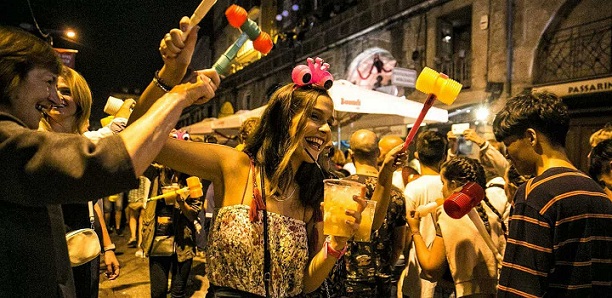
- Plastic hammers (called martelinhos) used to gently bonk strangers on the head (it’s affectionate… really!),
- Garlic bouquets (yes, garlic), supposedly for luck and to ward off evil spirits,
- And Chinese lanterns launched into the night sky like silent, glowing wishes.
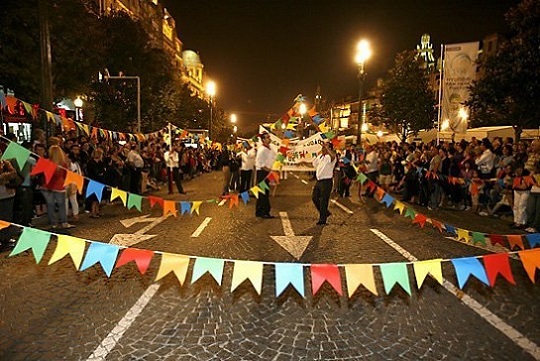
Where to Go: Fontainhas Is Ground Zero
While celebrations light up the whole city, Fontainhas, the postcard-perfect neighborhood clinging to the steep east bank of the Douro, is where the real magic happens. Its narrow, winding alleys become rivers of people, music, and smoke from grilling sardines.
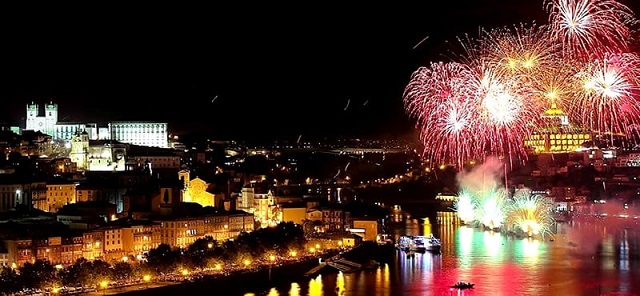
Grab a spot near the Ribeira or along Rua das Flores early in the evening if you want elbow room, but honestly, part of the joy is getting swept up in the chaos. As midnight approaches, the sky above the Douro erupts in a spectacular fireworks display, with locals launching their own lanterns from balconies, rooftops, and riverbanks.
Quirky Local Tips You Won’t Find in Guidebooks
- Wear a hat, not for sun, but to protect yourself from hammer strikes and falling garlic!
- Bring cash: Street vendors sell grilled sardines, bifanas (Portuguese pork sandwiches), and vinho verde (young, fizzy wine) out of coolers and pop-up grills. Credit cards? Not happening.
- Embrace the absurd: Getting tapped on the head with a squeaky hammer is a rite of passage. Return the favor with a smile (or a garlic bouquet!).
- Stay safe near lanterns: While beautiful, homemade lanterns can be unpredictable. Watch where you stand, especially near trees or power lines.
- Take the tram or walk: Roads shut down early, and parking is a myth on São João night. The historic Tram Line 1 runs along the river and offers a fun (if packed) ride.
A Party With Heart
What makes São João so special isn’t just the fireworks or the sardines, it’s the genuine warmth and generosity of Porto’s people. Strangers share food, locals invite tourists into their family gatherings, and the whole city hums with collective joy. It’s one of Europe’s most authentic urban festivals: chaotic, heartfelt, and utterly unforgettable.
So if you’re in Porto in late June, cancel your dinner reservations. Forget the museums for one night. Grab a hammer, a sandwich, and a bottle of vinho verde, and join the biggest block party in northern Portugal.
Just don’t forget your garlic.

From Solstice Flames to Saintly Revelry: The Evolution of Porto’s Festa de São João
The origins of Porto’s vibrant Festa de São João lie in a rich tapestry woven from ancient pagan rites and later Christian devotions. Rooted in pre-Christian Europe, the festival initially marked the summer solstice, a time of year associated with the sun’s peak power, fertility, and the promise of bountiful harvests. Communities across the region celebrated with bonfires, believed to purify the air, ward off evil spirits, and encourage agricultural prosperity.
By the 14th century, these solstice traditions were already deeply embedded in local customs in and around Porto. However, during the 15th century, the Catholic Church began to overlay these pagan observances with the feast of Saint John the Baptist, celebrated on June 24th, miraculously close to the solstice date of June 21st. This deliberate alignment allowed the Church to Christianize existing rituals while preserving popular participation, transforming the festival into a dual celebration of both celestial and sacred significance.
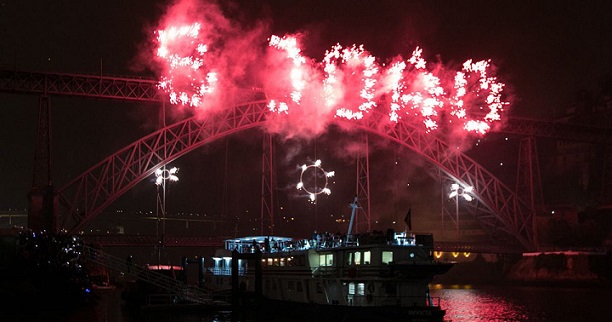
Today, Festa de São João has blossomed into Porto’s most iconic and exuberant public celebration. It pulses through the city’s cobbled streets with live music, grilled sardines, fireworks, and spontaneous street parties that last well into the night. Unique local customs, like the playful tradition of gently tapping unsuspecting revelers on the head with plastic hammers or releasing colorful hot air balloons (though increasingly regulated for safety and environmental reasons), add whimsy and communal joy to the festivities.
This dynamic fusion of ancient symbolism and modern merriment makes São João not just a religious or seasonal observance, but a powerful expression of Porto’s cultural identity, one where history, faith, and festivity ignite together like the bonfires of old.

Porto Portugal Tourism Guide
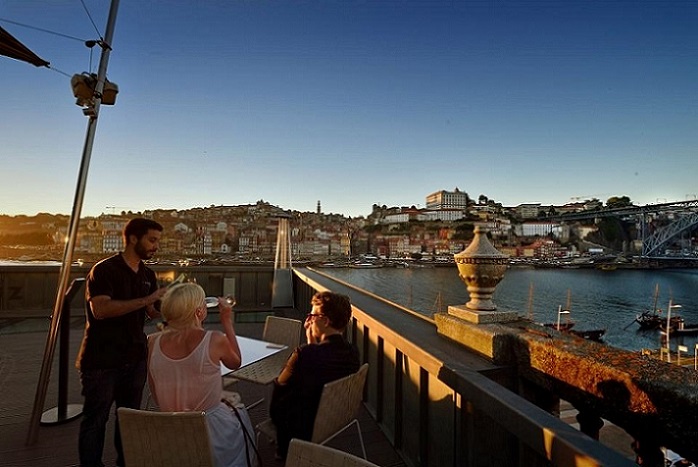
Porto, Portugal, is a city steeped in history and culture, celebrated for its stunning landscapes and lively ambiance. Perched along the banks of the Douro River, Porto holds the title of being the second-largest metropolis in Portugal, renowned worldwide for its port wine production, which has achieved international acclaim. This charming city presents a fusion of ancient and contemporary architecture, featuring iconic landmarks such as the magnificent Dom Luís I Bridge, an engineering marvel that connects the city across the Douro River, and the historic Ribeira District, a UNESCO World Heritage Site known for its colorful buildings and vibrant atmosphere.
Visitors are invited to wander through the narrow, winding cobblestone streets, each corner revealing a piece of Porto's rich history. The city's gastronomy is a delight, with traditional taverns offering local delicacies such as 'francesinha,' a hearty sandwich, and fresh seafood dishes that reflect the region's coastal heritage. The lively ambiance is further accentuated by the sounds of Fado music echoing through the streets, providing an authentic cultural experience.
Porto is not only a cultural gem but also an emerging economic powerhouse. Its dynamic economy is attracting tourists and business travelers alike, drawn by its unique charm and burgeoning business opportunities. With a growing tech industry and numerous startups, the city is becoming a hub for innovation and entrepreneurship. Furthermore, Porto's educational institutions, such as the University of Porto, contribute to a vibrant academic community, fostering research and development that supports the city's economic growth. This enchanting city offers a blend of tradition and modernity, making it a must-visit destination for those seeking to explore Portugal's diverse offerings.
Porto: Ever since the Romans built a fort here, at the mouth of the Duoro, Porto has prospered from commerce. Today it is Portugal`s second city and a thriving industrial center. The commercial center of the city and the Baixa (“lower”) district attract fashionable shoppers. Baixa is also home to the colorful Bolhao market.
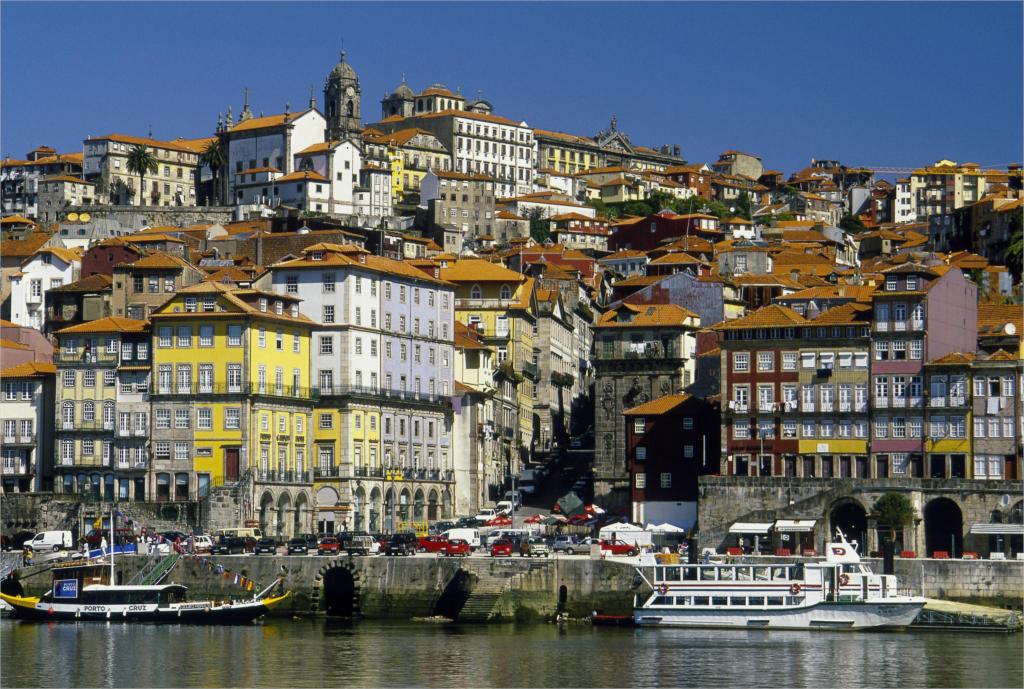
Most of the tourist sights, however, are to be found in the older riverside quarters. High above the river, on Penaventosa Hill, stands Porto`s cathedral, or Se, originally a fortress church. A noteworthy 13th-century feature is the rose window, while the upper level of the beautiful 14th-century cloister affords splendid views.
Nearby are the Renaissance church of Santa Clara, and Sao Bento Station, completed in 1916, decorated with spectacular azulejo panels. Below the Se is the hillside Barredo quarter, seemingly unchanged since medieval days.
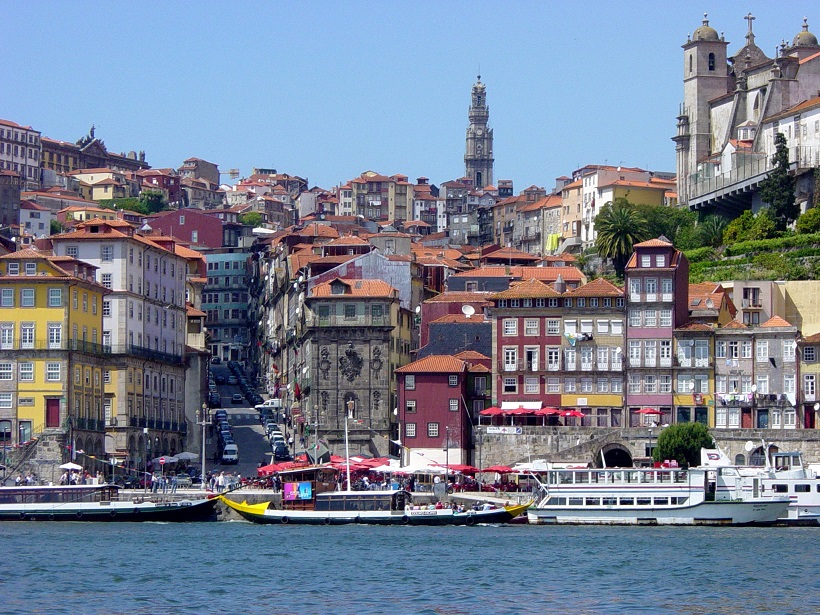
This leads down to the riverside quarter, the Ribeira, its houses decorated with tiled or pastel-painted facades. The district is being restored, attracting restaurants and clubs. Sights close to the river include the Palacio da Bolsa, the city`s stock exchange, built in 1842. Its highlight is the Arabian Room decorated in the style of the Alhambra.

Close by is the 14th-century Sao Francisco church. Its interior is richly covered in carved and gilded wood. In the Cordoaria district, west of the Se, stands the 18th-century Igreja dos Clerigos.
The church tower, at 75 m offers superb views. Situated in the lovely Serralves park, the Fundacao de Serralves, is dedicated to contemporary art. It presents temporary exhibitions in the Art Deco Casa de Serralves, and its art collection, from the 1960s to the present, in the Modernist Museu de Arte Contemporanea, designed by Alvaro Siza Vieira.
Cheap Airline Flights And Travel Packages
Portugal - Lisbon Algarve And Lagos
Cheap Bed And Breakfast In Amsterdam
Medieval Sandstone Island - Germany
Festivals And Feasts Around The World
Tweet
Follow @Charlesfrize