Portugal

Navigating History: The Story of Portugal
Canary Island Italy Turkey Paris Balearic Islands Santa Monica Costa Rica Tuscany Manhattan International Travel Destinations London Toronto Cape Town Newzealand Avignon Rome Siena Provence Varanasi India San Francisco England Broome Australia Alaska Alabama Alaska Vacation Idaho Tourism Ireland Majorca Costa Rica Croatia Porto Florence South America Beijing
Amazing Portugal: A Complete Travel Guide to History, Culture, and Modern Delights
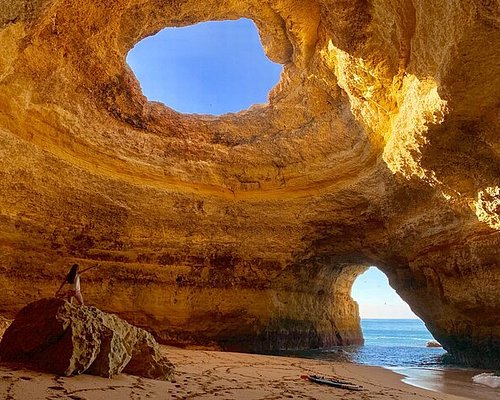
Portugal occupies the western edge of the Iberian Peninsula, a land shaped by the Atlantic Ocean that has been a crossroads of civilizations for millennia.
While its history is rich and captivating, modern Portugal, and especially its vibrant capital, Lisbon, offers an irresistible blend of old-world charm and contemporary entertainment.
This guide will take you through Portugal's fascinating past, its must-see attractions, and practical tips for making the most of your visit.
A Brief History of Portugal
The territory of modern Portugal has been inhabited since prehistoric times. In the Iron Age, the Castro culture (also known as Cultura Castreja in Portuguese) flourished in the northwest of the peninsula, encompassing what is now northern Portugal and Galicia in Spain. This culture is known for its distinctive hilltop settlements, fortified villages with round, stone-walled huts, often with thatched roofs, that dominated the landscape from the late Bronze Age until the Roman arrival.
The Romans conquered the region, establishing the province of Lusitania and founding cities such as Bracara Augusta (modern-day Braga). Following the collapse of Roman rule in the 5th century, the Suebi, a Germanic people, established a kingdom in the northwest, with Braga as their capital. They were later subjugated by the Visigoths around 585 AD. In the 8th century, the Arabs (Moors) crossed from North Africa, conquering most of the Iberian Peninsula and leaving an indelible mark on Portuguese architecture, culture, and governance.
Portugal emerged as an independent kingdom in the 12th century, eventually becoming one of the world's great maritime powers during the Age of Discovery. This layered history is visible everywhere, from Moorish tiles to Roman ruins and Gothic cathedrals.
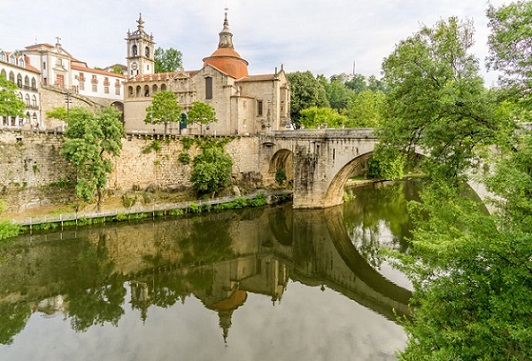
Lisbon: Portugal's Proud Capital
For most visitors, Lisbon is the starting point. Arriving at Humberto Delgado Airport, you're just a short ride from a city that effortlessly combines historical grandeur with a buzzing contemporary scene. Here are some of the capital's cultural highlights.
Museums Worth Your Time
Museu Nacional de Arte Contemporânea – Museu do Chiado
Located in the charming Chiado district, this museum showcases Portuguese and French art from the 19th century to the present day.
Opening hours: Tuesday to Sunday, 10:00 AM – 6:00 PM (last entry 5:30 PM). Closed on Mondays.
Pavilhão do Conhecimento – Ciência Viva (Science Museum)
This interactive science centre, situated near the University of Lisbon's main campus, offers over 60 hands-on exhibits covering physics, chemistry, mathematics, and more. It is educational, engaging, and fun for all ages.
Opening hours: Monday to Friday, 10:00 AM – 6:00 PM; weekends and holidays, 10:00 AM – 7:00 PM.
Museu do Carmo
Housed in the evocative ruins of the Carmo Convent, which was largely destroyed in the 1755 earthquake, this museum features an excellent archaeological collection spanning various periods, including prehistoric, Roman, and medieval artefacts.
Museu Nacional de Arte Antiga (National Museum of Ancient Art)
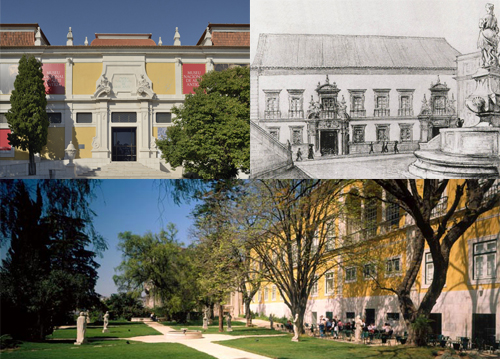
Located in the Belém area, in the Palácio dos Condes de Alvor, this is Portugal's most important art museum. With 65 halls, it houses an extraordinary collection of Portuguese painting, sculpture, goldsmithing, and decorative arts from the 12th to the 19th centuries. Highlights include the famous Panels of Saint Vincent by Nuno Gonçalves and the Belém Monstrance, made from gold brought back by Vasco da Gama. The museum also has a beautiful garden overlooking the Tagus River.
Opening hours: Tuesday to Sunday, 10:00 AM – 6:00 PM. Closed on Mondays and public holidays. Free admission on Sunday mornings for residents, but check current policy.
Green Spaces and Outdoor Entertainment
Lisbon is not just about museums, it also offers stunning parks and gardens for relaxation and recreation.
Parque Eduardo VII
Located next to Marquês de Pombal Square, this grand park was created to commemorate King Edward VII of the United Kingdom's visit to Lisbon in 1903, which strengthened the Anglo-Portuguese Alliance. It covers 26 hectares (64 acres). At its northwestern corner lies the Estufa Fria, a remarkable greenhouse complex covering 1.5 hectares (3.7 acres) with exotic plants, streams, waterfalls, and even tropical birds. The park also features the Carlos Lopes Pavilion, a lake with carp, and a children's playground shaped like a galleon.
Estufa Fria opening hours: Generally Tuesday to Sunday, 9:00 AM – 5:00 PM.
Tapada da Ajuda
This 200-acre park was once a royal hunting ground. Today, it offers a children's playground, picnic areas, an astronomy observatory, and lovely walking paths.
Jardim Botânico de Lisboa (Lisbon Botanical Garden)
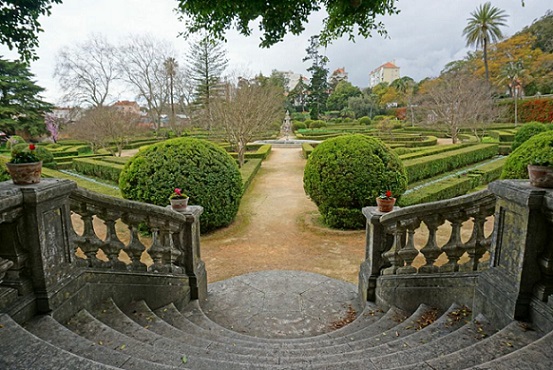
Founded in 1873, this garden is considered one of the finest in Europe. It is home to over 2,500 species, including palms, banana trees, and tropical plants from New Zealand, Australia, China, Japan, and South America. Situated on a hillside, the different levels connected by steps make it a delight to explore.
Opening hours: Winter (October–March): daily 10:00 AM – 5:00 PM. Summer (April–September): daily 9:00 AM – 8:00 PM. Admission is free on Sunday mornings from 10:00 AM to 1:00 PM.
Where to Stay in Lisbon
Lisbon offers accommodation for every budget and taste.
- Luxury: The Four Seasons Hotel Ritz offers beautiful gardens and a spectacular view over Eduardo VII Park. The Palácio do Governador (formerly Carlton Palace Hotel) is a 19th-century palace with tropical gardens.
- Mid-range: The Comfort Príncipe has a panoramic-view restaurant and good service. On the bustling Avenida da Liberdade, the Veneza is a small neoclassical-Moorish palace.
- Charming boutiques: As Janelas Verdes is a restored 18th-century house with just 17 rooms, located near the National Museum of Ancient Art.
- Budget: There are also well-kept campsites and youth hostels for those looking to save money.
Beyond Lisbon: Must-See Destinations
Once you've explored the capital, make time for these incredible places.
Sintra – A Fairy-Tale Escape
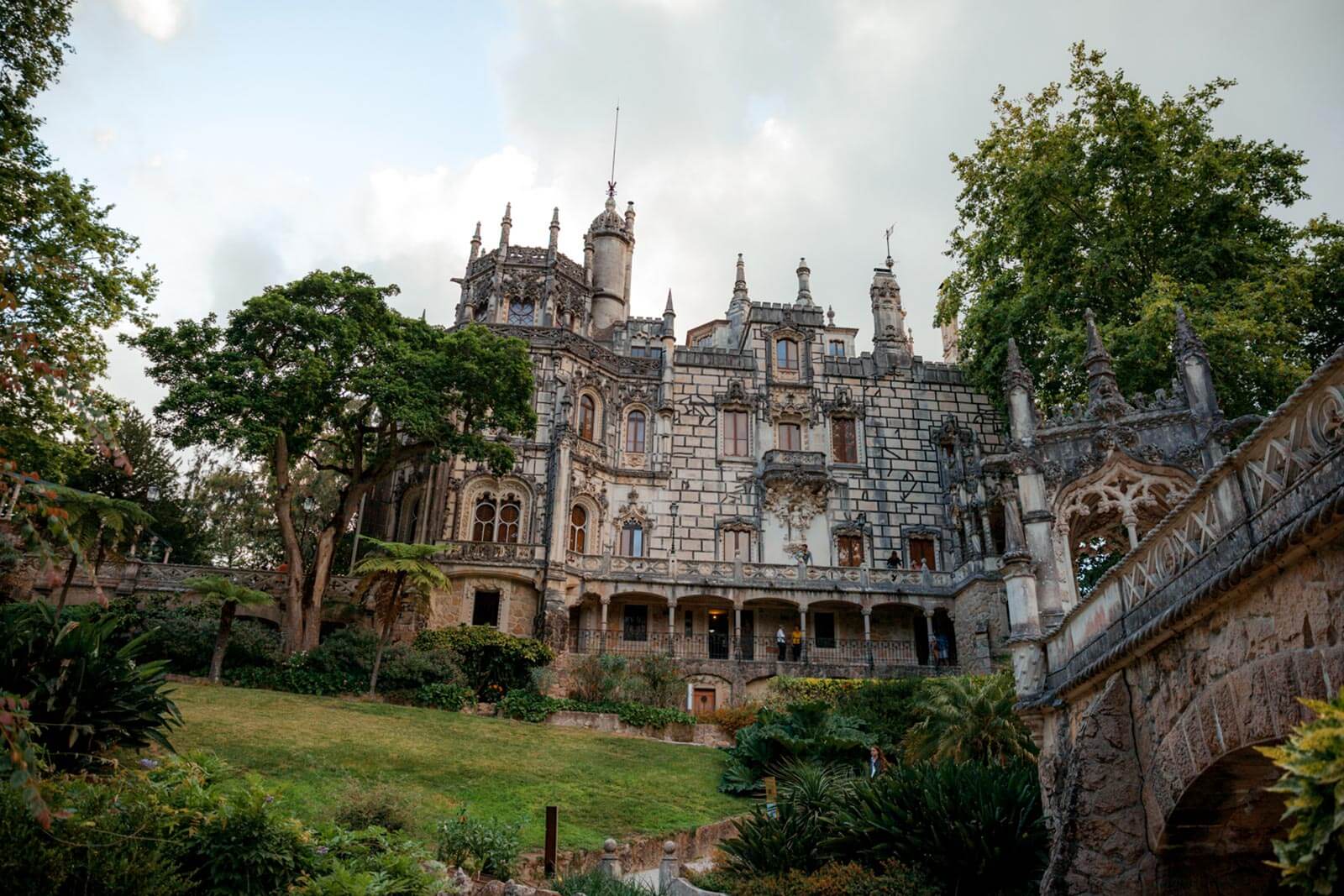
Just 40 minutes by train from Lisbon's Rossio Station, Sintra is a UNESCO World Heritage site brimming with Romanticist palaces, lush forests, and mystical gardens. The Pena Palace, a colourful, whimsical castle perched on a hilltop, is the star attraction (entry ~€14, including gardens). Other highlights include the Castle of the Moors, the Quinta da Regaleira with its famous initiation well, and the National Palace of Sintra. Trains depart every 15–20 minutes, and the journey takes about 40 minutes.
Porto – The City of Bridges and Port Wine
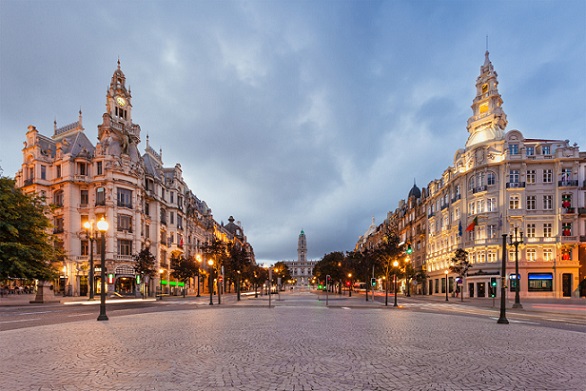
Portugal's second city, Porto, is famous for its riverside Ribeira district, its stunning bridges over the Douro River, and its world-renowned port wine cellars. Don't miss the Clérigos Tower, the Livraria Lello bookstore (one of the most beautiful in the world), and the Bolhão Market for fresh seafood and local produce. Porto is also surprisingly affordable, a full meal costs around €8–12. The best times to visit are April–June or September–October.
The Algarve – Sun, Sea, and Caves
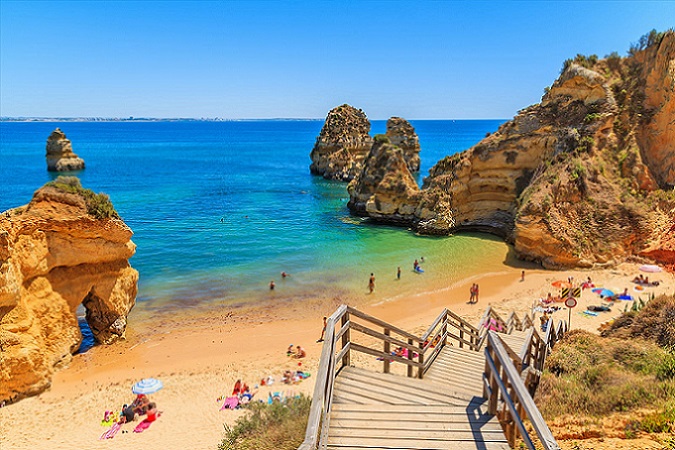
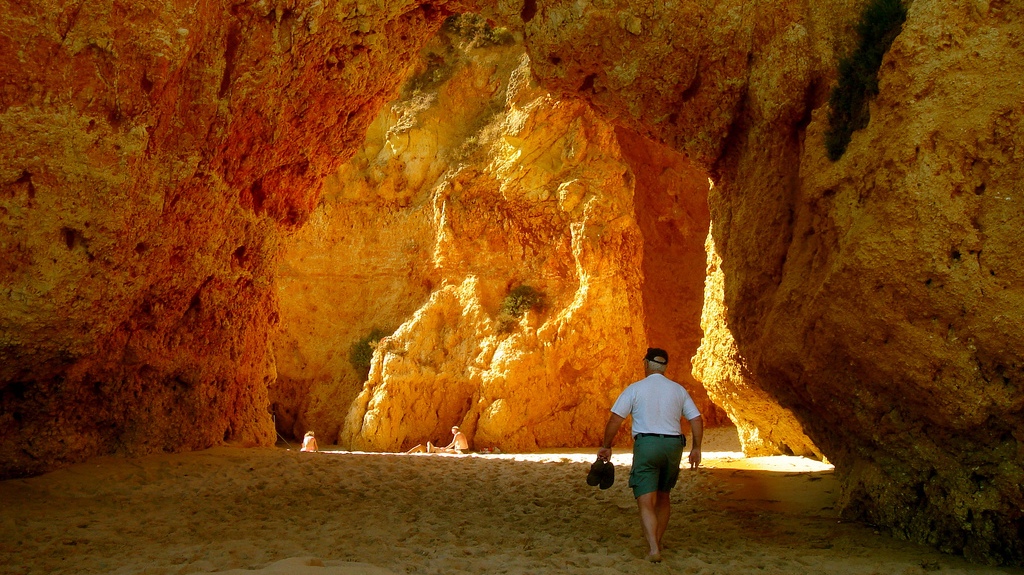
Portugal's southern coastline is a paradise of golden beaches, dramatic cliffs, and hidden sea caves. Praia da Marinha, Benagil Cave (accessible by boat or kayak), and the Ponta da Piedade cliffs near Lagos are absolute must-sees. The Algarve is about 2.5 hours' drive south of Lisbon.
Madeira – The Pearl of the Atlantic
This subtropical island, about 90 minutes by air from Lisbon, is a haven for nature lovers. Hike the famous levada irrigation trails, watch the sunrise from Pico do Areeiro, swim in the volcanic pools of Porto Moniz, and sample the island's famous fortified wine.
The Azores – Volcanic Wonderland
This remote archipelago of nine volcanic islands offers dramatic landscapes, black-sand beaches, natural hot springs, and world-class whale-watching. The best time to visit is April–October, with summer (June–September) bringing the most frequent flights and warmest weather.
Practical Tips and Travel Guide
Best Time to Visit
- Spring (April–June) and autumn (September–October) offer pleasant weather and fewer crowds.
- Summer (July–August) is hot and busy, especially in the Algarve.
- Winter is mild in Lisbon and the Algarve but cooler and wetter in the north.
Getting Around
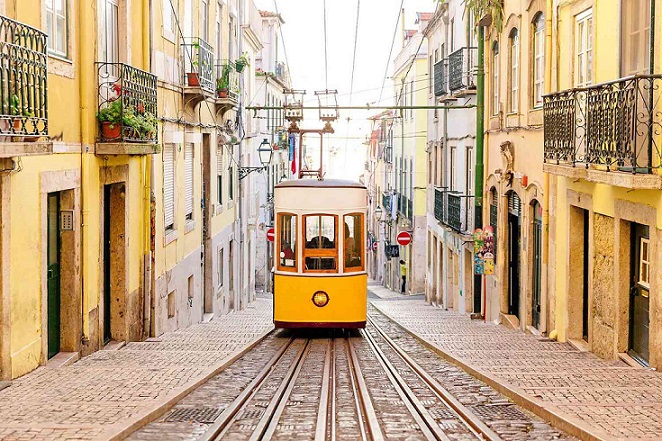
- Lisbon: The metro, trams (especially the iconic Tram 28), and funiculars are efficient and scenic. A Lisboa Card offers unlimited public transport and free or discounted museum entry.
- Between cities: Trains (CP – Comboios de Portugal) connect Lisbon, Porto, Sintra, and the Algarve. Buses are also widely available.
- To Madeira/Azores: Fly from Lisbon or Porto.
Money-Saving Tips
- Many museums offer free admission on Sunday mornings for residents, check individual policies.
- The Lisboa Card can save you money on transport and attractions.
- Eat like a local: look for prato do dia (daily special) at lunchtime for great value.
- Porto and the Algarve are generally more affordable than Lisbon.
Cultural Etiquette
- Portuguese people are warm and welcoming. A simple "obrigado" (thank you) goes a long way.
- Tipping is not mandatory but appreciated, round up the bill or leave 5–10% for good service.
- Many restaurants include a service charge; check your bill.
Essential Phrases
- Olá – Hello
- Obrigado/Obrigada – Thank you (male/female speaker)
- Por favor – Please
- Onde fica…? – Where is…?
- Quanto custa? – How much does it cost?
Final Thoughts
Portugal is a country that truly has it all: sun-drenched beaches, historic cities, breathtaking landscapes, and a welcoming culture. Whether you're wandering the narrow alleys of Lisbon's Alfama district, sipping port wine in Porto, or hiking through the volcanic craters of the Azores, you'll find yourself falling in love with this Atlantic gem. Plan ahead, pace yourself, and savour every moment, boa viagem! (happy travels!)

Discover the Undiscovered: Portugal
Discover the valuable information provided by FrizeMedia for travelers who are planning an unforgettable journey to Lisbon, Algarve, and Lagos in Portugal. FrizeMedia is an exceptional resource that offers a plethora of travel tips, insights, and recommendations to make your trip truly extraordinary. Whether you're seeking historical landmarks, breathtaking beaches, delectable cuisine, or vibrant nightlife, FrizeMedia has got you covered.When arranging your trip to Lisbon, make sure to explore the abundant history and culture of this captivating city. Visit iconic landmarks such as the imposing Belem Tower and the magnificent Jeronimos Monastery. Immerse yourself in the lively atmosphere of the Alfama district, known for its narrow streets, colorful buildings, and traditional Fado music. Don't forget to indulge in the local delicacies, like pastel de nata, a delightful Portuguese custard tart.
Heading south to the Algarve, you'll encounter a stunning coastline with picturesque beaches and secluded coves. Enjoy the crystal-clear waters and golden sands of Praia da Marinha, ranked as one of the most exquisite beaches in the world. For adventure enthusiasts, there are plenty of water sports activities available, such as surfing, jet skiing, and snorkeling. Explore the charming towns of Faro and Lagos, where you can wander through historic streets, visit quaint shops, and savor fresh seafood at waterfront restaurants.
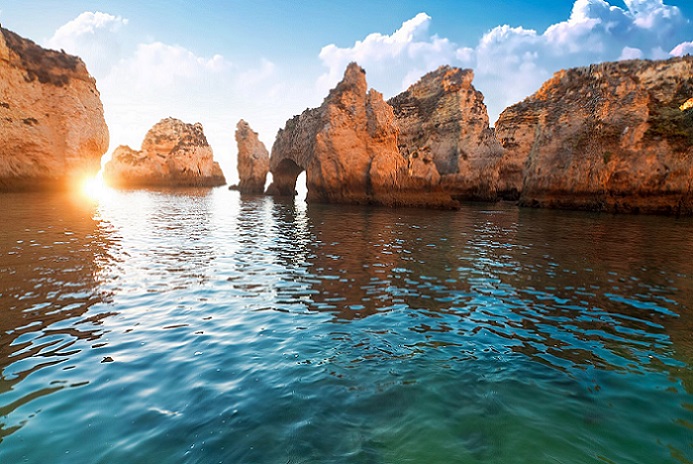
In Lagos, you can experience the unique beauty of the Ponta da Piedade cliffs, with their impressive rock formations and breathtaking sea views. Take a boat tour and marvel at the grottos and caves carved by the ocean over centuries. For nature lovers, a visit to the Ria Formosa Natural Park is essential. This protected area is home to a diverse range of flora and fauna, including numerous bird species. FrizeMedia's travel tips and insights will ensure that you maximize your trip, providing you with valuable information on transportation options, local customs, and hidden gems off the beaten path. Whether you're a history aficionado, a beach enthusiast, or a nature lover, FrizeMedia has all the resources you need to create unforgettable memories in Lisbon, Algarve, and Lagos.
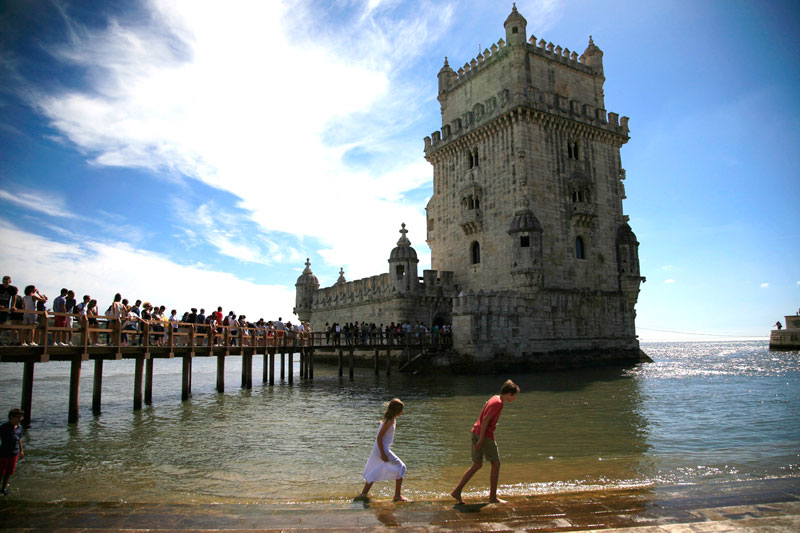
Portugal: Situated on the southwestern tip of continental Europe, Portugal is a laid back country. We take a look at Lisbon, Lagos and the Algarve.
Lisbon Lisbon is the biggest city in Portugal and is located on the Atlantic coast in the middle of the country. It is a city that gives the impression of elegance. Lisbon is the beautiful and vibrant capital city of Portugal, and one of the most alluring and cultured cities in Europe. It is a city that seamlessly blends traditional heritage, with appealing modernism and liberal thinking.

As a travel destination, Lisbon offers a varied and rich history, lively nightlife and is blessed with a beautiful year round climate. Arriving by train, your first taste of Lisbon is when you walk out of the train station directly onto the shore of the harbor.
As you look to the ocean, the name “San Francisco” immediately comes to mind. Mountains rise up on both sides of the mouth of the harbor and then there is the bridge. Running across the mouth of the bay is a bridge that looks pretty much like the Golden Gate Bridge in San Francisco.
As you walk into Lisbon, everything is clean and relaxed. There are walking only streets with cafes and garden areas. Bringing to mind San Francisco again, there are cable cars running through the center of the city. I can’t tell you why, but Lisbon is a very low stress city on both the mind and the wallet. Yep, it is cheap and a good destination for budget travelers.
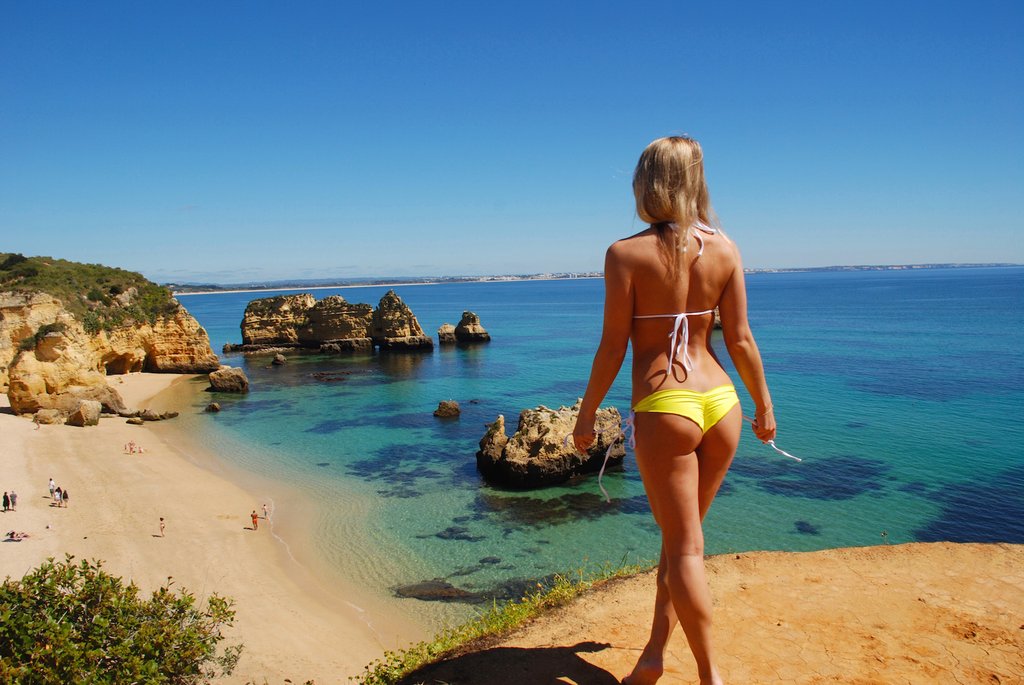
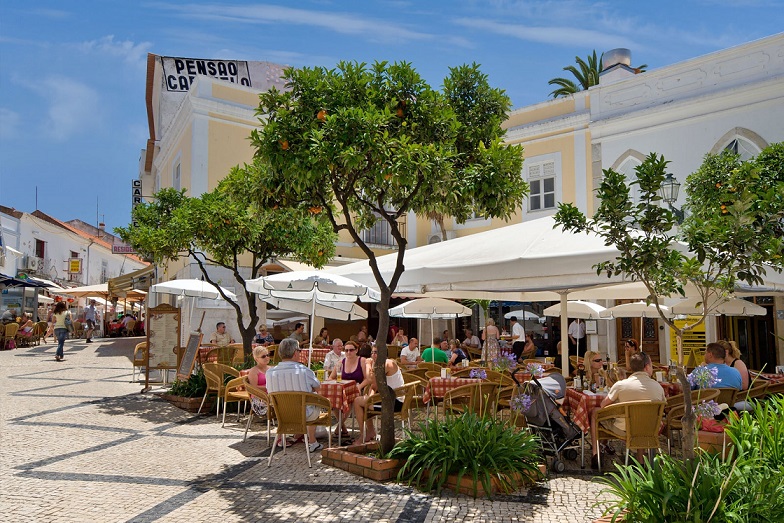
Algarve: The Algarve is the southwestern tip of Portugal and borders on both the Atlantic and Mediterranean oceans and is famous for its Mediterranean beaches and golf resorts. It is blessed with Whitewashed fishing villages on low cliffs overlooking sandy coves. Its central coast between Lagos and Faro is lined with villas, hotels, bars and restaurants. The region's western Atlantic coast and rugged interior are less developed. The Algarve is a collection of beach towns that is reminiscent of Southern California in the 1940’s. Tourism is the leading industry in the Algarve,a warm coastal region with beaches and rocky seaside landscapes. It is especially popular attracting visitors with it's picturesque fishing villages.

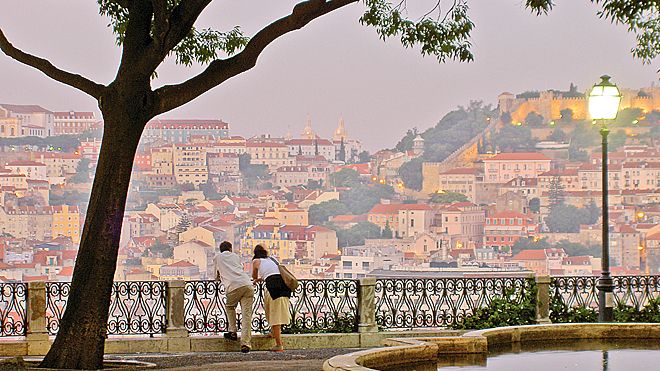
Lagos: Lagos is a sleepy beach community with just about anything you could want in paradise. White beaches, private beaches, grottos, wine growing, a lively nightlife, modern conveniences and just about the nicest people you can ever hope to meet. You can stay in a hotel while in Lagos, but another great option is to go instead to the train station and reserve a room with a family. Families in cities all over the world do this, but Lagos is different. The family you stay with more or less adopts you as one of their own. They will haul you all over town, introduce you to other locals and generally give you a true taste of Portugal. For veteran travelers, nothing could be better.

Cheap Bed And Breakfasts In Amsterdam
Budget Travel In New York City
Canada's Banff And Lake Louise
Tweet
Follow @Charlesfrize