Serbia Travel

Celebrate Serbia: Festivals, Feasts, and Winter Wonders
Vancouver Island Andorra Tibet Rome Majorca Ghana Travel and Tourism Tulsa Kwame Nkrumah Memorial Pak Accra Botswana Cambodia Amsterdam Albania Laax Cornwall Cordoba Spain Taiwan Salzburg Mole National Park Ghana Santa Monica Croatia Poland Tourism Paris Madrid Tanzania Alabama Diet and Nutrition London Hospitality Industry Manchester England Krakow Africa Safaris Los Angeles Tuscany Australia Varanasi India Edinburgh Africa Travel Asia Travel Banff Las Vegas Provence Japan Travel Lake District Smart Travel Hacks
The Global Compass: Your Passport to the World's Stories
The Purple Gold of Serbia: How the Plum Became the Nation's Soul

More Than Just a Fruit
If you ask a Serbian to name their country's quintessential fruit, there is no hesitation, no debate, and no alternative answer.
The answer is the plum, or as it is known locally, šljiva.
In Serbia, the plum is not merely a seasonal treat; it is a historical anchor, an economic engine, a medicinal remedy, and the very foundation of the country's most cherished social rituals. To understand Serbia, one must first understand its deep, tangled roots with this small, blue-purple drupe.
A Global Heavyweight: The Numbers Don't Lie
Serbia consistently ranks as one of the top three plum producers in the world, frequently holding the second-place position globally (trailing behind China, yet leading in per-capita production).
Annually, Serbia produces between 400,000 and 500,000 tons of plums. This staggering volume accounts for nearly 25% of the total global plum production relative to the country's small geographical size. The plum trees are ubiquitous; you cannot drive through the Serbian countryside, particularly in the fertile regions of Šumadija, Mačva, and western Serbia, without seeing sprawling orchards flanking every hillside and backyard.

More Than a Fruit: The King of Brandy (Rakija)
While fresh plums are enjoyed during the late summer harvest (July to September), the overwhelming majority of the crop is destined for a single, sacred purpose: Šljivovica (Plum Brandy).
Often referred to as the "national drink" of Serbia, Šljivovica is a potent fruit brandy that has been distilled in the Balkans for centuries. The process is an art form passed down through generations. Traditional Serbian households take immense pride in their kazan (copper still), using old, sun-dried, or overripe plums to create a clear, fiery spirit that sits at the heart of every celebration, negotiation, and toast.
- Historical Context: During the Ottoman rule, distillation was introduced as a method of preserving the surplus fruit. It quickly evolved from a necessity into a cultural symbol.
- Protected Status: Serbia has fiercely fought for and won the right to have "Serbian Šljivovica" recognized as a Geographical Indication (GI) by the European Union, protecting its heritage against imitators.

A Staple in the Serbian Pantry
Beyond the still, the plum weaves its way through the Serbian culinary landscape in several other critical forms:
1. Suve Šljive (Dried Plums): Serbia is a major exporter of high-quality dried plums, prized for their sweetness and chewy texture. These are eaten as snacks, used in festive cakes (like štrudla), or baked into hearty winter compotes.
2. Pekmez (Plum Jam): A thick, dark, sugar-free jam made by slow-cooking plums until they reduce into a dense spread. Historically, it was a vital source of vitamins and iron during the harsh winters.
3. Knedle sa Šljivama (Plum Dumplings): A beloved dessert dish featuring potato-based dough wrapped around a whole plum, boiled, and then rolled in buttery breadcrumbs and sugar. It is a staple of Serbian home cooking.
4. Slatko (Fruit Preserve): Whole plums preserved in syrup, offered to guests as a symbol of hospitality.
Cultural Tapestry: Proverbs, Festivals, and Folklore
The plum permeates the Serbian language and soul. There is a famous local saying: "Sve je to šljiva" (It's all plums), a laid-back phrase used to dismiss worries and say that everything will turn out okay, akin to "It's all good."

Every year, the municipality of Osečina (and various other towns) hosts "Dani Šljive" (The Plum Days), a massive multi-day festival celebrating the harvest with music, traditional costumes, contests for the largest plum, and, of course, free-flowing rakija.
Historically, the plum tree held a mythological status. The ancient Slavs believed the plum tree was a protector of the household. It was a common practice to plant a plum tree on a family's property when a child was born, literally growing the family alongside the orchard.
The Varieties: From Old Seeds to Modern Clones
Serbia boasts a diverse genetic bank of plum cultivars. While the native Požegača (also known as 'Požega' or 'Quetsche') is the golden standard for traditional rakija due to its high sugar content and firm flesh, modern agriculture has introduced high-yield hybrids such as Čačanska Rodna (a resistant, high-yielding breed developed at the Fruit Research Institute in Čačak) and Stanley, which are favored for export due to their large size and attractive color.
Conclusion: The Rhythm of Rural Life
For Serbians, the plum is the rhythm of the rural year. The fragrant white blossoms of April signal hope; the heavy, bending branches of August signal abundance; and the warmth of the rakija in a small glass on a cold November evening signals comfort. While other fruits, like raspberries (for which Serbia is also the world's largest producer), have brought in massive export revenue in recent years, the plum remains the undisputed, sentimental king of the Serbian orchard. It is the fruit that builds friendships, settles stomachs, and defines a nation.

Kopaonik Uncovered: Serbia’s Underrated Ski Gem with Quirky Charm
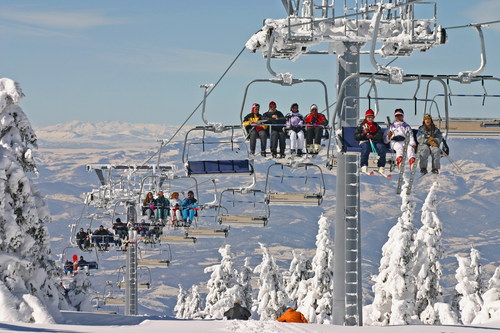
Nestled in the heart of Serbia, Kopaonik is fast becoming a favorite among skiers seeking authentic mountain experiences without the crowds and price tags of the Alps.
Far from the commercialized slopes of Central Europe, this Balkan ski destination offers natural terrain, wallet-friendly prices, and a surprisingly vibrant après-ski scene.
Highlights
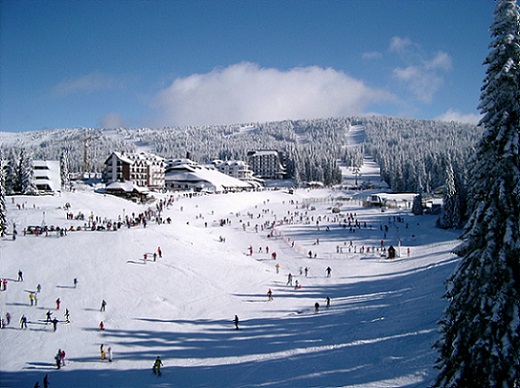
- Elevation: Kopaonik’s ski area ranges from 1,650 m to 2,017 m. The main resort village, Kopaonik (also called Kopaonik Tourist Village), sits at 1,710 m (~5,610 ft) exactly.
- Mountain Height: Kopaonik’s highest peak, Pančićev Vrh, is 2,017 m (6,617 ft).
- Ski Infrastructure:
- 25 ski lifts, with an uphill capacity of 35,000 skiers/hour.
- 55 km of slopes across 24 marked runs:
- 15 beginner
- 8 intermediate
- 6 expert
- Longest run: 3.5 km.
- Snow Season: Reliable snow typically lasts from December to early April.
- Events: Kopaonik has hosted FIS Snowboard World Cup events (e.g., 2005, 2009), but not major alpine skiing World Cups. It remains a regional competition hub.
- Visitor Capacity: The resort can accommodate over 10,000 guests, with hotels, apartments, and hostels.
- Projected Visitors: Kopaonik regularly sees over 300,000 visitors per winter season.
Quirky & Practical Travel Tips
1. Konaci Run Reality Check:
While Konaci is Kopaonik’s most famous expert run, its 79-degree pitch is a myth, that’s near-vertical (climbing-grade steep!). Actual max slope is around 35–40 degrees, still challenging but not cliff-like. Speeds can hit 50+ km/h (31+ mph). Airtime jumps exist, think 1–2 seconds on natural kickers.
2. Eat Like a Local for Less:
You can enjoy burek (flaky pastry with cheese, meat, or spinach) and pljeskavica (Serbian burger) for under €8–10. And yes, beer often costs €1–1.50 at local bars! But don’t miss kajmak (creamy dairy spread) on warm bread.
3. Christmas Western Style:
Serbia follows the Julian calendar, so Orthodox Christmas is celebrated on January 7. December 25 is just another winter day, don’t expect carolers or Santa. But January festivities are rich in tradition!
4. Après-Ski Surprises:
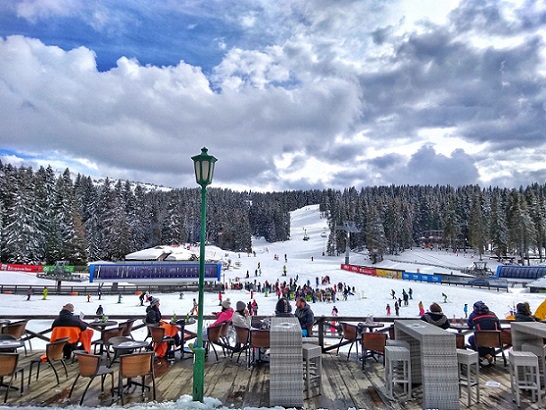
Kopaonik is Serbia’s party mountain, expect thumping nightclubs, live turbo-folk music, and après-ski bars that stay open until dawn. It’s especially popular with young Serbians and regional tourists.
5. English is Widely Spoken:
Most ski instructors, hotel staff, and rental shops speak good English, especially in the main village. Lessons in English are readily available.
6. Beyond Skiing:
Try night skiing, ice skating, sleigh rides, or even indoor tennis. Cross-country trails exist, but skydiving is not offered on Kopaonik.
7. Getting There:
Fly into Belgrade (BEG) or Niš (INI). From Belgrade, it’s a 2.5–3 hour drive, Niš is closer at ~1.5 hours). Shuttle services and transfers are affordable.
8. Budget Bonus:
All-inclusive weekly ski packages start around €350–450, including accommodation, lift pass, and sometimes meals, excellent value compared to the Alps.
Final Verdict
Kopaonik isn’t just Serbia’s largest ski resort, it’s a quirky, affordable, and energetic winter escape blending Balkan hospitality with serious skiing. While it won’t replace Chamonix for extreme terrain, it delivers great snow, lively vibes, and unbeatable value. Just pack your dancing shoes for the après-ski!
Note: Always check current conditions and opening dates before travel. Snow reliability can vary with climate patterns.
Explore Serbia: Hike, Feast, and Celebrate in the Heart of the Balkans
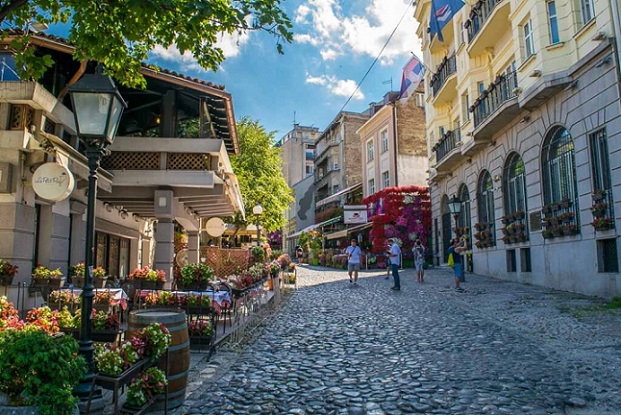
Embark on an unforgettable journey to Serbia with the captivating #SerbiaTravel hashtag. This picturesque country offers a myriad of affordable holiday options that allow you to fully immerse yourself in its vibrant culture, breathtaking landscapes, and welcoming locals. From exploring the ancient marvels of Belgrade Fortress to experiencing the dynamic nightlife scenes, Serbia truly has something for every traveler.
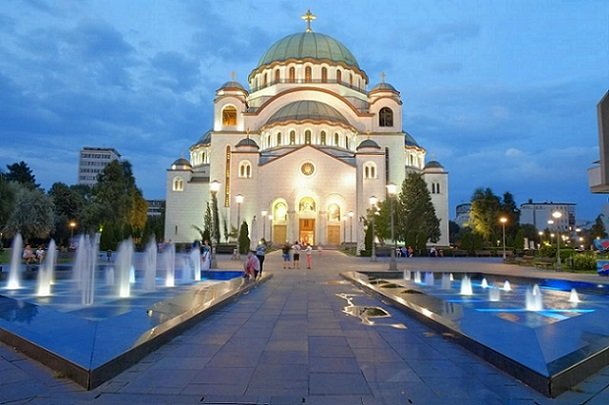
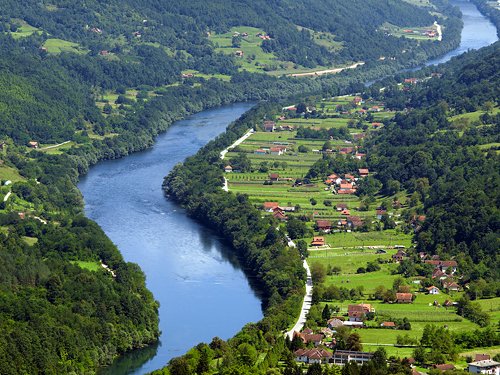
Picture-perfect villages nestled in the rolling hills, delectable local cuisine bursting with flavors, and the serene waters of the Drina River are just a glimpse of what awaits you in this hidden gem of a destination. Serbia stands out as a budget-friendly choice, providing a wide array of accommodations, transportation options, and entertainment choices that won't break the bank.
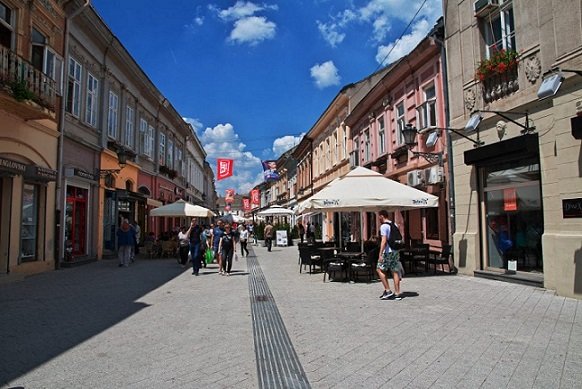
Traveling to Serbia with #SerbiaTravel opens up a world of possibilities for those seeking an enriching holiday experience without compromising on affordability. Delve into the country's diverse cultural tapestry, awe-inspiring natural beauty, and the genuine warmth of its people. Whether you're wandering through historic sites or indulging in local delicacies, Serbia offers a plethora of activities to engage in.
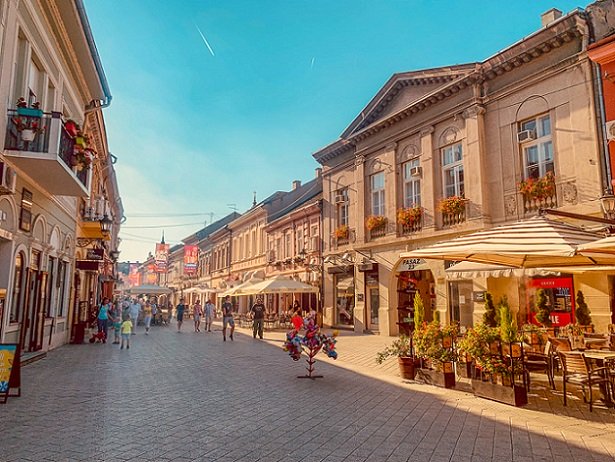
Immerse yourself in the charm of traditional villages, relish the flavors of authentic Serbian dishes, and unwind by the tranquil Drina River. Opting for a Serbian getaway ensures an authentic and cost-effective escape that guarantees unforgettable memories. Don't hesitate to begin planning your Serbian adventure today and discover the magic of this captivating country!
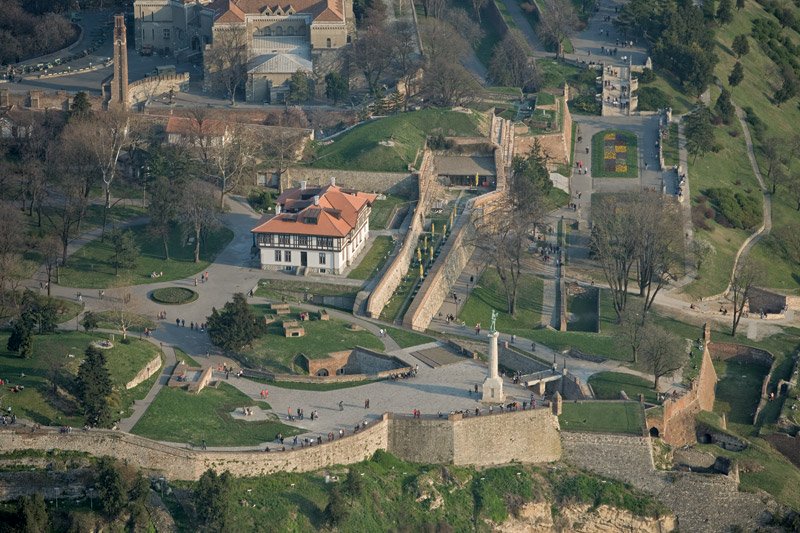
Serbia travel: When you plan your cheap holidays in Serbia, make sure to include Belgrade and Novi Sad to the itinerary. These two cities will keep you busy for days. The first place to start your fun is at the Kalemegdan. This is a zoo and park area with a beautiful castle. It will delight everyone in your group. It is something to see and notice how the animals react to people.
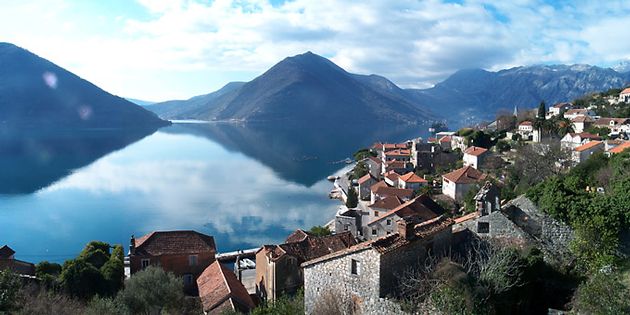
Skadarlija is a neighbourhood that offers little shops and restaurants with some historical sites. You will enjoy these two quaint areas of Belgrade. In addition, Dorcot is another area to visit that will impress on you. The National Museum is something to explore for the history of Serbia and the surrounding areas. A favorite with all visitors is the House of Flowers, Marshal Tito Memorial. It is more of a point of interest with interesting surroundings. You will want to spend a day on the beach at Ada Ciganlija. The white sands and warm waters are so right for a peaceful day.

If you want to see a beautiful fountain, Terazije Fountain is one place to visit as well as the Residence of Princess Ljubica, which is a historic home in Belgrade. You are going to find this city hard to leave, but you will want to see beautiful Novi Sad before your trip is over.
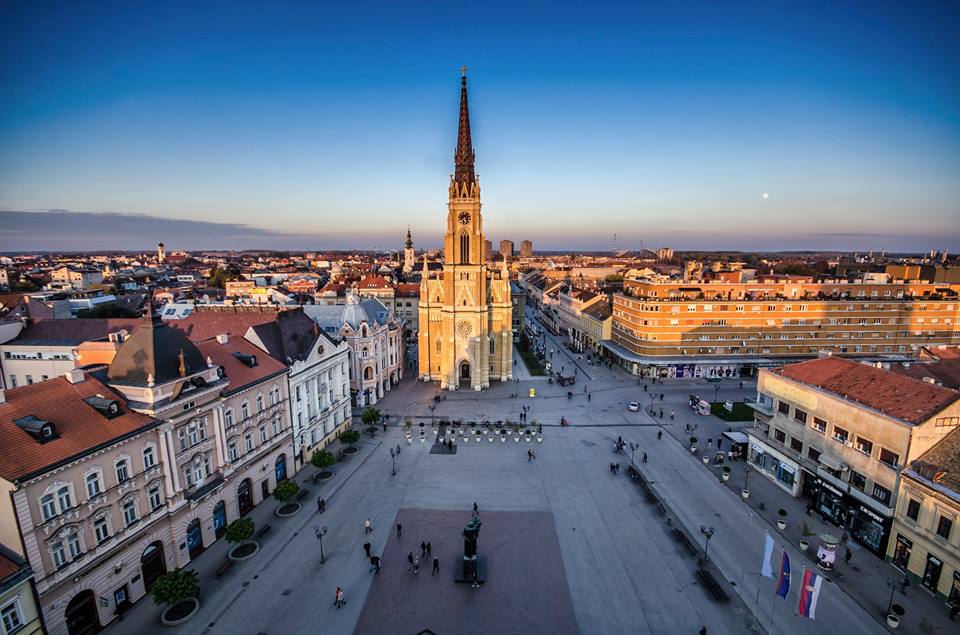
Novi Sad has many different attractions with different historical sites. The Petrovaradin is a military base with a park, and it is idle for a day of exploring and relaxing. There is a beach and a river in Novi Sad that you must see. The Dunay River and the Strand beach are always a great way to spend the day taking in the scenery and enjoying. A favorite to walk is the Danayska Street. It is filled with history and shops as well as cafes and restaurants. There are three historic sites to see as well.
Monastery Diysa, Monastery Grgeteg and Monastery Jazak are three sites that offer a touch of history and the architecture that is quite popular in Serbia. Novi Sad is more of a historical city and is visited for the history and culture. There is one attraction that people enjoy and that is Fisherman’s Island. It is a unique place to visit. Of course, you will want to see Sremski Kartovci, which is a village of history all on its own. You will enjoy seeing everything this city has to offer when you plan your holidays in Serbia. When you are in Novi Sad, visit the Fru ka Gora Mountain. If you are looking for a day of skiing, Kopaonik might be a great way to end your vacation.
The ski slopes are great for beginners and you will want to grab a bite on top of the mountain, the restaurant has great foods and a fantastic view. The popular and fun hotel in this area is the Hotel Grand. It has everything to make your stay really enjoyable. You will find that your holidays in Serbia will be a memory you will not forget. Apart from being cheap, there are fantastic things to do and see. You can drive to Kopaonik from Belgrade.
Croatia - Stunningly Breathtaking
Canada - Banff And Lake Louise
Tweet
Follow @Charlesfrize