Thailand
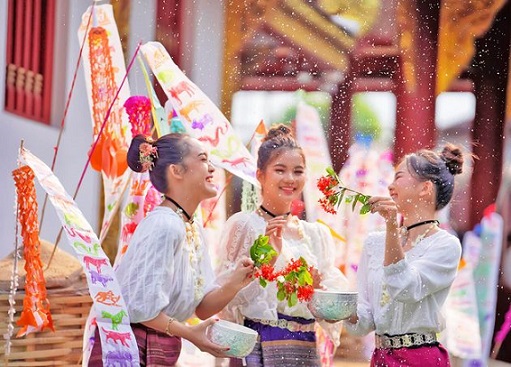
Discover the Similan Islands: Thailand’s World-Class Diving Paradise

If you're a scuba diving enthusiast, the Similan Islands in Thailand should be at the top of your bucket list.
Recognized as one of the world’s top dive sites by Skin Diving Magazine, this stunning archipelago in the Andaman Sea offers unmatched underwater beauty, vibrant marine life, and breathtaking landscapes.
When to Visit
The best time to explore the Similans is December to April, with March being the absolute peak—monsoon season has passed, leaving crystal-clear waters and ideal diving conditions.
The Nine Islands of Similan
"Similan" actually means "nine" in Malay, referring to the nine stunning islands that make up this national park:
- Koh Bangu (1)
- Koh Similan (8) – Home to the iconic Sailing Rock, perfect for panoramic views
- Hin Huwagralok
- Koh Payu (7)
- Koh Ha (5)
- Koh Hok (6)
- Koh Miang (4) – A great spot for snorkeling
- Koh Payan (3)
- Koh Huyong (9)
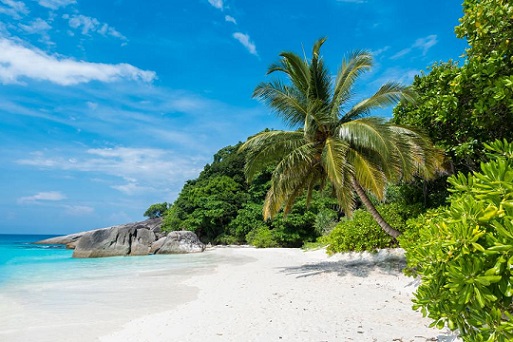
Must-See Dive Sites
Shark Ridge Rocks (near Koh Payan)
- A hotspot for shark sightings, including Silvertip, Leopard, and Reef Whitetip Sharks.
Fantasy Rocks (west of Koh Similan)
- Covered in soft corals, sea fans, and schools of tropical fish.
- Nearby, you’ll find the famous powder-white beach and Sailing Rock, which offers an incredible view of the bay.
Christmas Point Rocks (northwest of Koh Bangu)
- A maze of rocks draped in colorful soft corals and sea fans.
Koh Bon (between Similan & Koh Tachai)
- While the underwater scenery isn’t as vibrant, it’s a prime location for spotting Manta Rays.
Koh Tachai (northernmost island)
- Features a pristine white-sand beach and is one of the best places to encounter the majestic Whale Shark.
Final Thoughts
Whether you're into deep diving, snorkeling, or just soaking up island beauty, the Similan Islands deliver an unforgettable experience. With sharks, rays, whale sharks, and some of the healthiest coral reefs in the world, it’s no wonder this is considered a diver’s paradise.
Ready to dive in?
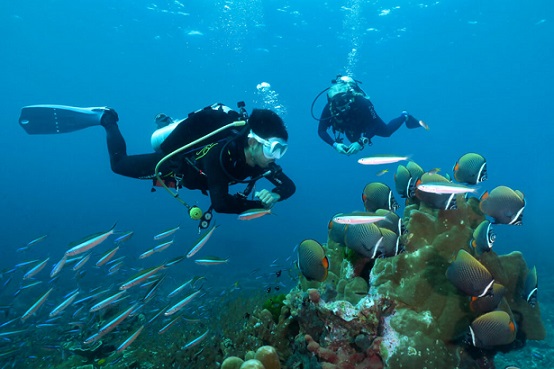

Ko Chang - Water Festival of Loi Kathong
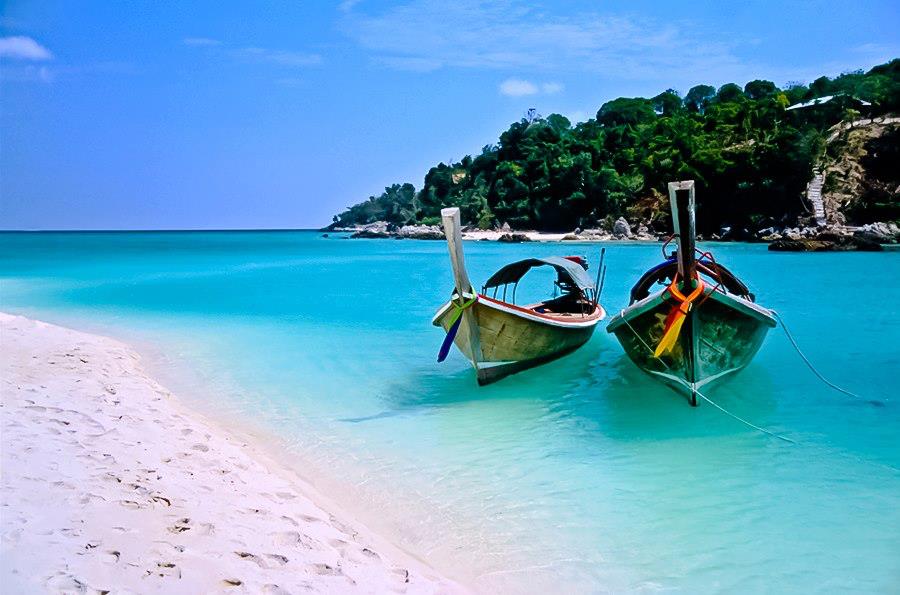
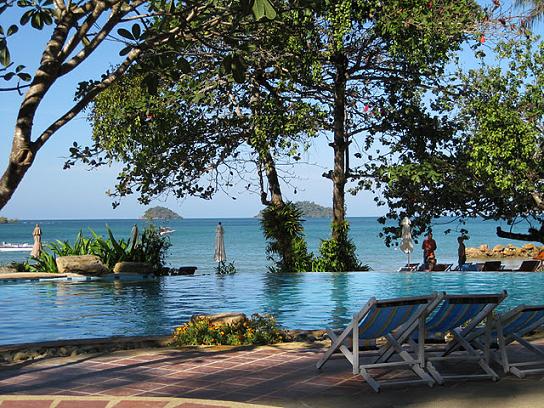
Ko Lipe Beach Southern Thailand
Thailand is a land of enchanting and exotic experiences. Its tropical climate features consistently warm temperatures and high humidity, with a rainy season typically lasting from June to October.
Spanning 513,115 square kilometers, the nation is home to approximately 67 million people. The capital, Bangkok, is a vibrant metropolis. Thai is the official language, though English and Chinese are also spoken, and the currency is the Thai baht (1 baht = 100 satang).
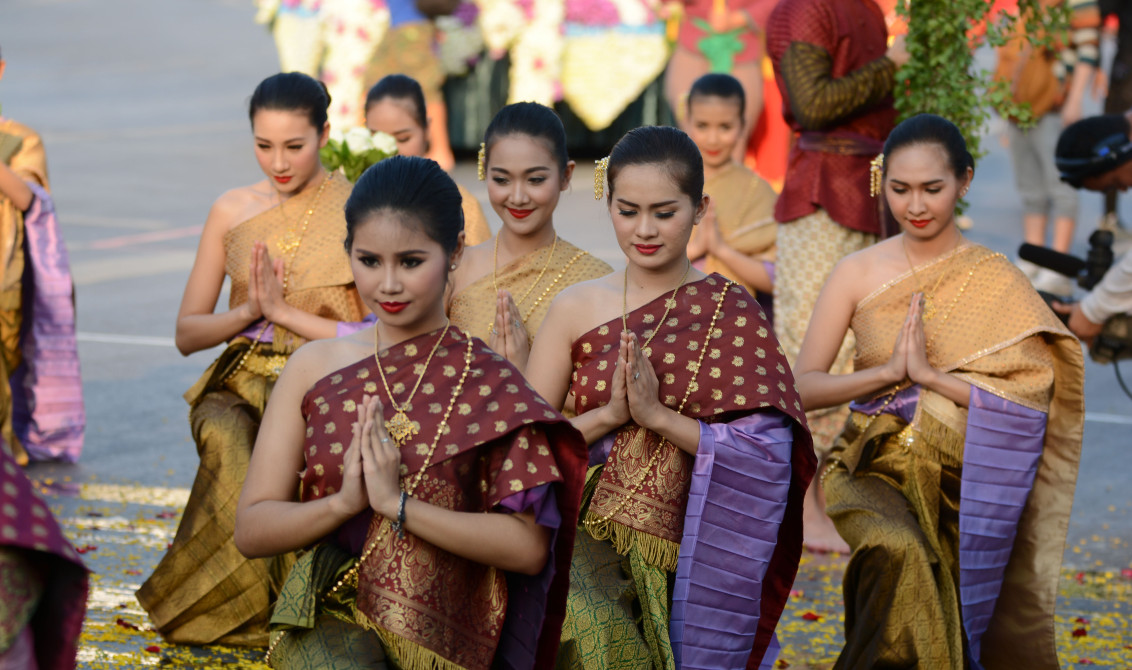
For a truly mesmerizing cultural encounter, visitors can experience festivals like Loy Krathong, the "Festival of Lights," often celebrated with particular beauty on islands like Ko Chang. During this event, rivers and waterways are adorned with floating lanterns, creating a magical atmosphere.
Thailand's population is predominantly rural, with approximately 80% residing in the countryside. Ethnically, it is largely homogeneous, with ethnic Thais comprising about 80% of the population. Significant minority groups include those of Chinese, Indian, and Malay descent, alongside various Indigenous hill tribes in the northern and western regions. Religiously, Theravada Buddhism is the faith of the vast majority, with around 95% of Thais identifying as Buddhist.
Ko Chang sits near the Cambodian border in the Gulf of Thailand, an island dense with jungle and dotted with small towns of simple beach huts. It was exactly the setting I sought. I had heard tales of Thailand's full moon festivals, raucous nights of hedonism designed for tourists. But on Ko Chang, the celebration was different. When the full moon rose, the night was tailored not for visitors, but for the Thai people themselves, offering a rhythm and authenticity that felt far removed from the typical party circuit.
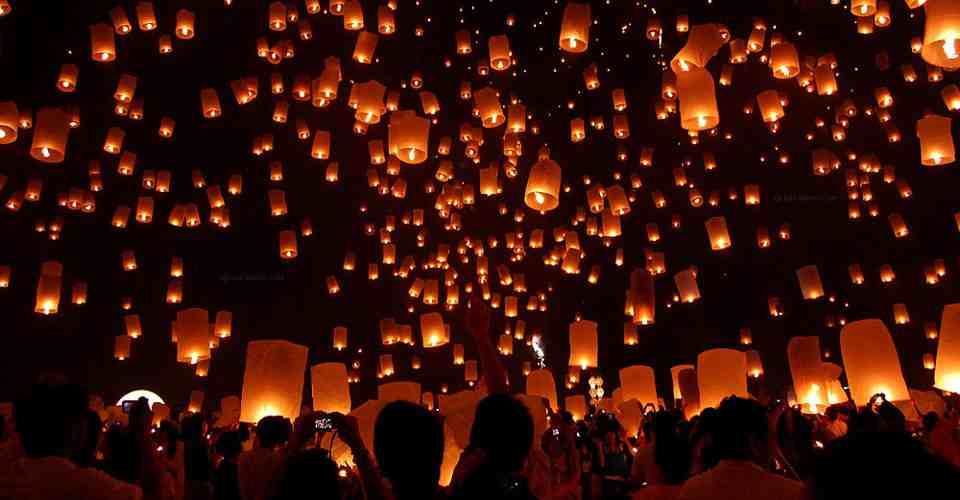
Water And Light Festivals
Loi Krathong Festival: Offering to Water Spirits The Loi Krathong Festival is celebrated each year on the evening of the full moon of the twelfth lunar month. To honor and appease the water spirits, participants float carefully crafted offerings, called krathong, on rivers and canals. These small, decorative vessels are traditionally made from biodegradable materials like banana leaves and contain flowers, fruit, a lit candle, and incense sticks.
Millions of Floating Candles Light the Ocean The candles and incense are lit, and everyone makes their way down to the beach to set them adrift upon the water. What follows is one of the most breathtaking spectacles of light you will ever witness—it puts Las Vegas to shame. Thousands, truly thousands, of tiny flames bob gently on the surface of the calm, dark ocean, a silent, shimmering constellation mirrored on the waves.
The Alchemy of Light and Bamboo Next up is one of the most visually striking items: the iconic paper lantern. Everyone recognizes these rectangular Asian lanterns with their bamboo or wire frames. They’re more than just decor; they’re a ritual. Beloved by students everywhere, they prove that you don't need to spend much to replace a harsh bare bulb with a beautiful, soft glow.
Thai Lanterns Float Over Ocean Festival At the festival, Thais would seal the top of their paper lanterns and attach a small paper platform to the bottom, where a candle was secured. After lighting the candle, they would wait as the hot air gradually filled the lantern. Once buoyant, the lantern would be released, lifting gently into the night sky. Soon, thousands of these glowing orbs would drift slowly over the ocean, creating a breathtaking spectacle of light and motion against the dark water.
As the festival wound down, the ocean itself seemed transformed. The warm night air was filled with hundreds of lanterns, drifting like airborne embers, while the calm water mirrored the sky with its own constellation of gently bobbing lights. If you ever plan a trip to Thailand, I urge you to align your visit with a full moon. To witness this, where sea and sky softly trade their constellations, is a scene you will never forget.
Can you swim in the water in Thailand?
The clear warm waters are enticing, and are pretty safe for most of the year. The sea does contain dangerous creatures, such as sea snakes, lionfish, stonefish and jellyfish. However, it's only really jellyfish that could concern swimmers, and these are not much of a problem on Thailand's Andaman coast.
When was Water Festival created?
In November, Cambodia erupts into one of the biggest celebrations of the year with Bon Om Touk, known as the Cambodian Water Festival. It has been celebrated since as early as the 13th century, marks the end of Cambodia's rainy season.
Who created the Water Festival?
A Rich History:
Believe it or not, this tradition dates back to the 12th century, during the reign of Angkorian King Jayavarman VII. Back then, the King's Navy played a vital role in kicking off the fishing season, ensuring bountiful rice and fish harvests in the coming year.
What is the origin of the Water Festival?
Thingyan Festival – The Traditional Water Festival in Myanmar
The history of the Thingyan Water Festival in Myanmar dating back from a very long time ago originated from the Buddhist version of a Hindu myth. Thingyan, in the Sanskrit language (the language of ancient India), means “transit of the Sun from Pisces to Aries”.
Why is the water festival celebrated?
The festival is celebrated over the span of three days and commemorates the end of the rainy season, as well as the change in flow of the Tonlé Sap River.
What is the history of Thai Water Festival?
The Khmers originally celebrated the Songkran festival. The name “Songkran” emerged from the Sanskrit word for “washing” or “cleaning.” The Khmers believed that bathing would purify the soul and allow them to return to their homeland, Cambodia. Today, the Songkran water festival is a national holiday in Thailand.
Why is the water green in Thailand?
Severe plankton bloom off Thailand creates marine 'dead zone.
Marine scientists say some areas in the Gulf of Thailand have more than 10 times the normal amount of plankton, turning the water a bright green and killing off marine life.
What is the Thai Water Festival called?
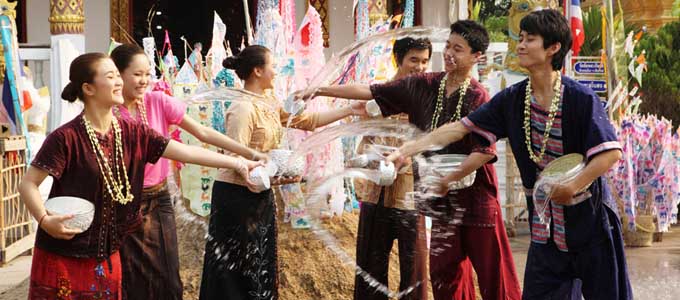
The Songkran Water Festival is held annually by the locals in celebration of the Thai New Year. The national holiday of Songkran is officially on the 13th of April each year, but the celebrations last for 3 days from April 13 to 15, happening all across Thailand.
Why is water so important to Thai culture?
As a nation, Thailand grew along the banks of its mighty rivers. For centuries, the kingdom's waterways have provided the Thai people with their staple foods of rice and fish, fuelled by the abundant monsoon rains that have made the land fertile.
What flowers are used in Loy Krathong?
Lotus
Lotus, Rose, Orchid, Marigold, and Globe Amaranth are the most common/traditional flowers used for the ornamentation, but you can use whichever kinds of flowers you like to garnish your Krathong.
What is Loy Krathong for kids?
Traditionally, Thais celebrate Loy Krathong (“loy” means “to float” and “krathong” is the thing you float) by taking a section of a banana tree trunk, decorating it with flowers and candles and floating it down the river to simultaneously honor the Buddha (venerating him with the candle), let go of one's grudges.
Why do people float krathong on water?
Is Loy Krathong a ritual?
Some say the festival is rooted in ancient Hindu ritual, while many feel it honours the magical naga serpents that are so pivotal to countless Southeast Asian legends. An especially popular belief holds that Loy Krathong is a form of devotion to Phra Mae Kongka, the Thai version of Ganga, Hindu goddess of water.
Why is Loy Krathong celebrated?
What is Loy Krathong? The history behind the festival is complex, and Thais celebrate it for many reasons. As the main rice harvest season ends, it's time to thank the Water Goddess for a year's worth of her abundant supply, as well as an apology for polluting the waters.
How many days do we celebrate Loy Krathong?
five days
Loy Krathong in Sukhothai is celebrated for five days. In addition to magical floating lights, there are beauty contests, parades, folk music performances, and light and sound shows. Nearly all the festivities take place in Sukhothai Historical Park (the old city).
Who is the water goddess in Loy Krathong?
Loy Krathong: How Thailand Pays Tribute to the Water Goddess
Millions of candlelit krathong - decorative vessels burning bright with prayers, hopes and dreams - are set afloat on waterways to honour and give thanks to the water goddess, Phra Mae Khongkha. This magical spectacle is observed on the full moon of the 12th month on the lunar calendar, which usually falls in November.
What is Loi Krathong festival also called?
In Thailand, the festival is known as Loi Krathong. Outside Thailand, this festival is celebrated under different names, including Myanmar as the "Tazaungdaing festival", Sri Lanka as "Il Full Moon Poya", China as "Lantern Festival" and Cambodia as Bon Om Touk".
Where does the Loy Krathong festival take place?
Thailand
Chiang Mai is the place to be for Loi Krathong (loy kra-tong). Although the Lantern Festival is celebrated everywhere in Thailand, Chiang Mai will have the best (and most famous) views of thousands of lanterns being released into the sky all at once.
What is Loy Krathong festival all about?
Loy Krathong originated from an old Brahmin festival that paid respects to the water spirits. The festival was adapted in Thailand to also show respect to Buddha. The word 'krathong' refers to a small vessel or basket and 'loy' means to float.
Loy Krathong Festival is an annual traditional Siamese festival celebrated by Thais to pay respect to the Goddess of Water and the Buddha. It is not a public holiday but is celebrated nationwide when people gather around lakes, rivers, and canals to release floating lanterns or Krathongs on waterways.

The Beauty And Spirituality Of Tibet
Budget Travel In New York City
Tweet
Follow @Charlesfrize