Italy
Travel Guide Tips And Information

Italian Wine Making And Regions
Duomo - The Cathedral Of Florence
Italian Wine Making And Regions
Visit The Ancient Catacombs Of Rome
Siena - Medieval Life And Horse Racing
Italian Alps on a Budget? A Smart Skier's Guide to Italy
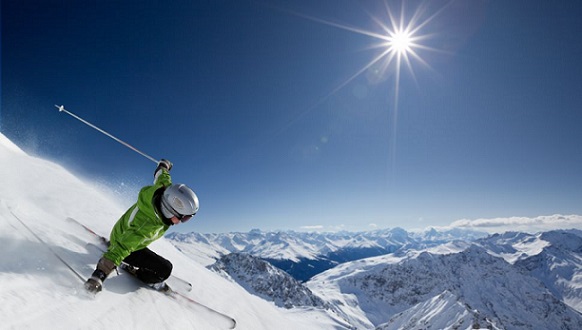
Italy has long been the clever choice for skiers wanting to experience the majesty of the Alps without the eye-watering price tags of their French or Swiss neighbours.
Yet value doesn't mean compromise. There's an undeniable romance to skiing here, the blend of dramatic snow-topped peaks, exceptional food, and the knowledge that cultural treasures like Turin, Verona, or even Rome are within striking distance once you've finished carving up the slopes.
Whether you're a powder hound chasing fresh tracks or herding the family onto their first chairlift, Italy's diverse resorts offer something distinct. Here are three resorts that showcase the best of Italian skiing, from quiet escapes to family-friendly hubs.
Alba: True Skiing Escapism
Tucked high above Canazei in the northern Trentino region, Alba is one of Italy's smallest and most charming resorts. Centred on a tiny village, this is skiing stripped back to its purest form. With only five lifts, it's not about vast lift networks, it's about quality over quantity.
The real draw here is the exceptional off-piste terrain for adventurous skiers. It makes for a perfect day trip or a peaceful weekend escape from the busier nearby resorts. If you prefer the meditative rhythm of cross-country skiing, Alba also offers extensive, well-maintained trails winding through serene winter landscapes. It's a true Italian treasure for those who cherish quiet slopes and unspoilt surroundings.
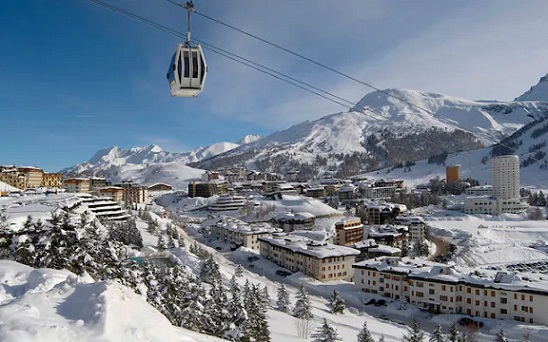
Passo Tonale: Italy's High-Altitude Family Hub
If you're seeking a purpose-built, family-oriented resort, look to Passo Tonale. As Italy's highest resort, it offers reliable snow cover and a friendly, down-to-earth atmosphere that bigger, glitzier resorts often lack.
The focus here is firmly on beginners and intermediates. The slopes are groomed meticulously, and the resort is home to a top-class ski school staffed by some of the region's most talented instructors. The setting is spectacular; from the glacier at the top, you're rewarded with a panoramic view of the entire region that is genuinely breathtaking, the kind of view that makes skiers pause and simply soak it in.
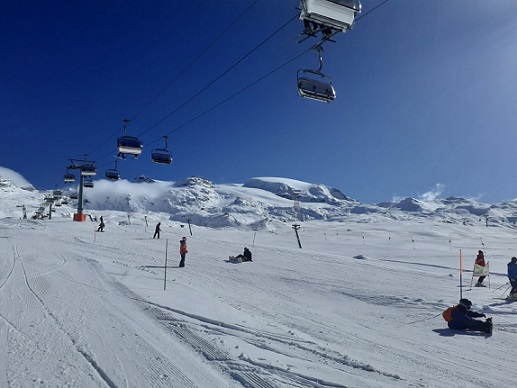
Selva Gardena: Scenery and Reliability in the Dolomites
Nestled in the heart of the Val Gardena, Selva Gardena is one of Italy's largest and most renowned resorts. It's a gateway to the legendary Sella Ronda circuit, offering consistent snow coverage and some of the most dramatic scenery in the Alps, with the iconic pinnacles of the Dolomites providing a stunning backdrop.
Selva offers great value for money and remains child-friendly, making it another excellent choice for families. However, its extensive lift system and challenging runs also cater perfectly to intermediate and advanced skiers looking to cover serious terrain.
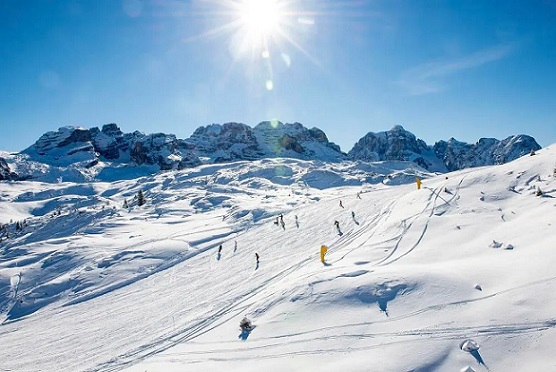
Why Ski Italy?
Across these resorts, a common thread emerges: welcoming hospitality. From the friendly lift operators to the incredible food and drink in the rustic rifugios and village bars, you feel genuinely looked after.
Ultimately, northern Italy delivers on every front. It provides skiers of all abilities with an adequate challenge, offers some of Europe's best ski instruction, and wraps the whole experience in a rich layer of culture and history. For anyone wanting to experience the Alps in all their glory, without the premium price tag, Italy is genuinely ideal.

The Savvy Italian: Tips for Travel & Life
Italy: If you desire to experience Europe, you need to travel to Italy. No other country on earth offers the depth, breadth, and scope of Italy. For lovers of art, history, architecture, or music Italy is unsurpassed. From the Ancient Roman Empire to the Medieval Tuscan fortress towns and the Venetian Republic, Italy's incredible historical diversity has come together to produce a country so incredible, so remarkable, so beautiful as to leave the visitor with an unquenchable desire to return again and again.
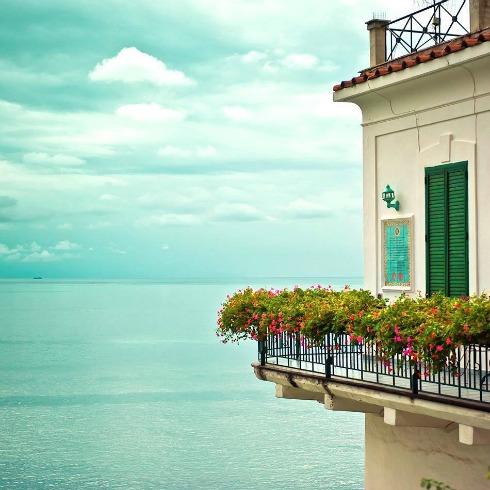
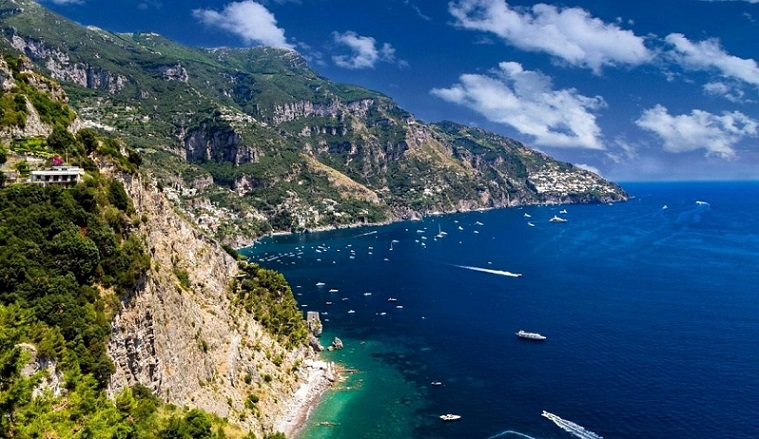
Italy - Amalfi Coast
The legacy of the Renaissance and its masterpieces of art, music, and architecture have left such a tangible mark on the Italian soul one can barely help being swept along in the tide of culture. If you're a lover of nature, there are majestic mountains, crystal seas, rolling hills, fertile plains, sweeping cliffs, and magical lagoons, you need to travel to Italy.
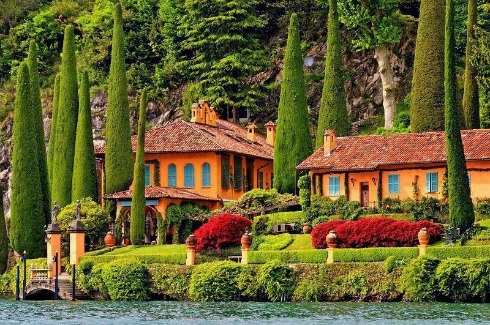
Lake Como - Italy
Travel to Italy – The Cities To See
Milan is rivaled only by Paris as the fashion capital of the world and is shopping at its best.
Rome has been the heart of Italy from the time of the Romans through today; to walk its streets is to walk in the footsteps of Emperors and Popes.
Florence is the birthplace of the Renaissance and its presence reverberates through the old cobbled streets and beautiful churches.
Tuscany Italy
Venice - the most unique and romantic city in the world, stands
timeless and beautiful in the midst of the Adriatic, a magnificent
creation highlighting man at his most artistic. Finally the majestic and striking natural beauty of the Amalfi Coast,
a place to relax, soak in the tremendous natural beauty, dine on the
world's favorite cuisine at its finest, and experience that special joy
of being that is uniquely Italian. No matter what you're seeking, it awaits you when you travel Italy and visit its cities.
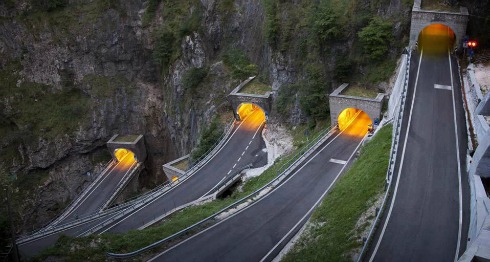
San Boldo Pass - Italy
The Weather When you travel to Italy, it's important to know that despite its geographical position at the center of the temperate zone, it has rather variable climatic characteristics. This is due to the presence of the Mediterranean, whose warm waters mitigate thermal extremes, and the Alpine arc, which forms a barrier against the cold north winds. Furthermore, when you travel Italy, remember that it is subject to both wet and moderate atmospheric currents from the Atlantic Ocean and dry and cold ones from Eastern Europe.
The Apennine chain too, confronting the wet winds from the Tyrrhenian, causes considerable climatic differences between the opposite sides of the peninsula. The differences in temperature between the winter and summer months are more marked in the northern regions than in the south and along the coasts.
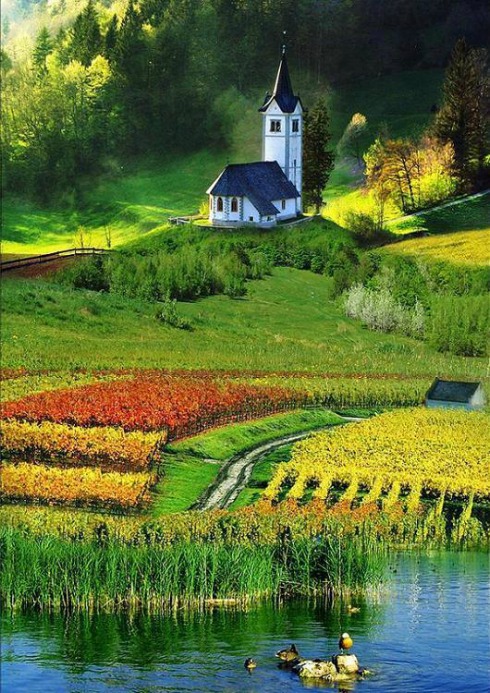
Dolomites - Italy
The mean temperatures for the month of January in the Po Plain fluctuate around zero, while in the Alpine valleys the thermometer can drop to -20º and snow can remain on the ground for many weeks. In the southern regions, instead, the mean temperatures for January remain around 10º, with the exception of the inland mountainous zones. Mean summer temperatures throughout all Italy rise to 24º-25º for July, only being lower in the highest zones.
Rainfall distribution also varies considerably, due to the influence of both mountains and prevailing winds. The highest quantities are registered in the Alpine arc (over 3,000 mm pa in the Lepontine and Julian Alps) and on the Apennines (over 3,000 mm pa in the Apuan Alps).

The plains, however, including that of the Po, receive scarce precipitation. Generally it is less than 800-900 mm pa but in the southern regions (Tavoliere and southern Sicily) it falls below 600 mm pa. The great internal Alpine valleys and the coastal plains of the Tyrrhenian (Maremma) and Sardinia also receive little rain.

Altogether, six large climatic regions can be distinguished, mainly characterized by mountain influence. So as you can see, when you travel to Italy, there is much to experience. The culture, history, and beauty of Italy make it a top European travel destination.

Tweet
Follow @Charlesfrize