Sparta
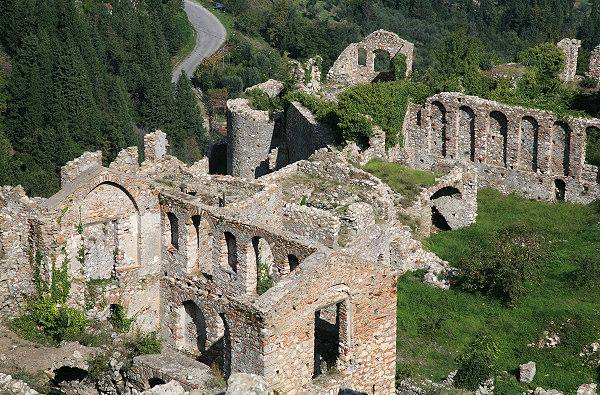
Greece: The Cradle of Western Civilization
Beyond the Ruins: A Traveler’s Guide to Outdoor Adventures in Greece
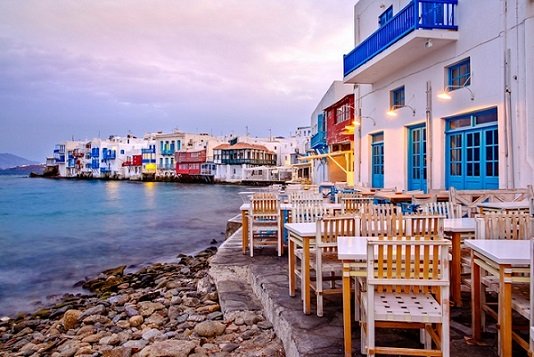
Greece is more than just a cradle of Western civilization, it’s a living, breathing tapestry of myth, mountain, sea, and sun.
While its ancient ruins and archaeological wonders draw millions each year, the true magic of Greece often lies beyond the marble columns and museum walls.
From windswept islands to rugged highlands, the country offers an exhilarating array of outdoor adventures that invite travelers to experience its soul not just through history, but through movement, exploration, and connection with nature.
Hiking and Trekking Through Mythic Landscapes
The Greek islands, Mykonos, Santorini, Tinos, Naxos, and many others, are not only famed for their whitewashed villages and azure domes but also for their dramatic terrain. Hiking trails wind through volcanic calderas, olive groves, and coastal cliffs, offering panoramic views that feel plucked from Homeric epics. On Crete, the Samaria Gorge presents one of Europe’s most iconic treks, a 16-kilometer descent through a UNESCO Biosphere Reserve, flanked by towering limestone walls and rare wildlife. Multi-day guided trekking expeditions, often arranged through local tour operators or boutique Greek hotels, typically range from $1,000 to $2,500 per person and include transportation, meals, and expert local guides who weave folklore into every step.
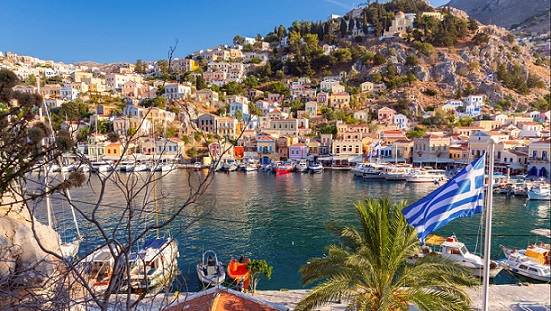
Sailing the Aegean: Island-Hopping by Yacht
Few experiences rival the freedom of sailing through the Cyclades aboard a private or chartered yacht. These journeys, lasting anywhere from a long weekend to three weeks, allow you to discover hidden coves, secluded beaches, and lesser-known islands like Folegandros or Amorgos that rarely appear on mass tourism itineraries. Along the way, you can snorkel in crystal-clear waters, dine at family-run tavernas in sleepy harbors, and explore ancient temples accessible only by sea. Many luxury travel agencies and eco-conscious operators now offer customizable sailing itineraries that blend relaxation with cultural immersion, often partnering with sustainable Greek hotels for seamless land-and-sea experiences.
Cycling Through the Heart of Greece
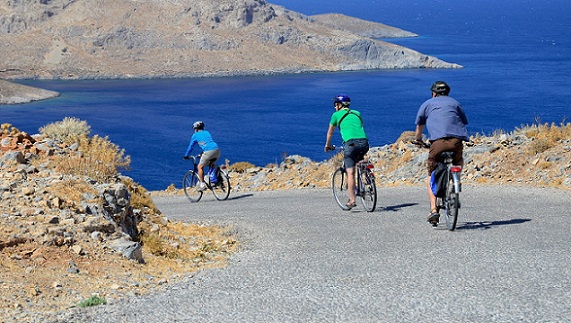
For those seeking a slower, more intimate encounter with the landscape, cycling offers an unforgettable perspective. While mainstream tour operators may not always cater to cyclists, a growing community of local guides and adventure companies specializes in bespoke biking tours, from gentle rides through Peloponnesian vineyards to challenging climbs in the Pindus Mountains. These routes often pass through traditional villages where time seems suspended, offering chances to sample homemade cheeses, watch artisans at work, and share stories with locals over strong Greek coffee. Online platforms and cycling forums are excellent resources for self-guided trips, though hiring a local guide ensures access to off-the-beaten-path trails and authentic cultural exchanges.
Embracing the Full Spectrum of Greek Hospitality
What truly elevates these adventures is Greece’s legendary philoxenia, the deep-rooted tradition of hospitality. Whether you’re camping under star-strewn skies on a remote island or docking your yacht in a fishing village, you’ll likely be welcomed with warmth, generosity, and perhaps a glass of raki. Modern Greek hotels, especially eco-lodges and family-run guesthouses, increasingly integrate these outdoor experiences into their offerings, recognizing that today’s travelers seek not just comfort, but meaningful engagement with place and people.
Final Thoughts
While standing amid the Parthenon or walking through Delphi connects you to Greece’s storied past, hiking its trails, sailing its seas, or pedaling through its countryside lets you live its present. These adventures don’t just complement a visit to Greece, they deepen it, revealing a nation that is as dynamic and vibrant as it is ancient. So pack your walking shoes, sunscreen, and sense of wonder: Greece awaits, not just to be seen, but to be felt, explored, and remembered.

5 Fascinating Facts About Ancient Spartans
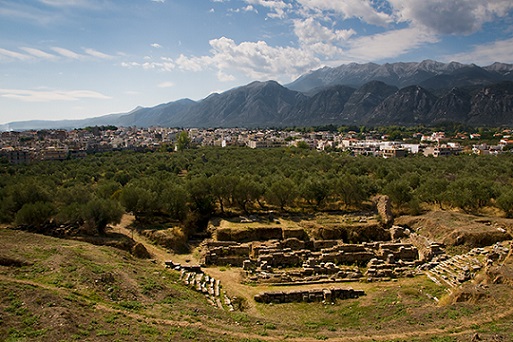
The ancient Spartans were one of history’s most formidable warrior societies, known for their military prowess, strict discipline, and unique way of life.
Here are five key facts about these legendary warriors:
1. Sparta Had a Unique Dual-King System
Unlike most Greek city-states, Sparta was ruled by two kings simultaneously—one from the Agiad dynasty and one from the Eurypontid dynasty. This system ensured that no single ruler held absolute power. While the kings led the army in battle, most political decisions were made by the Gerousia (a council of elders) and the ephors (elected officials).
2. Spartan Boys Endured Brutal Military Training (Agoge)
From the age of seven, Spartan boys were taken from their families and enrolled in the agoge, a rigorous military training program. They endured harsh conditions, including hunger, extreme physical tests, and combat drills. The goal was to produce fearless, disciplined soldiers who valued honor above all else.
3. Women in Sparta Had Unusual Freedom
Unlike in other Greek societies, Spartan women received physical training, could own property, and had more independence. Since men were often away at war, women managed households and estates. They were also encouraged to be strong, as it was believed healthy women would bear strong warriors.
4. Spartans Used Iron Bars as Money
Instead of gold or silver coins, Spartans used heavy iron bars as currency. This discouraged greed and luxury, reinforcing their society’s focus on discipline and simplicity. The bars were also difficult to steal or hoard, aligning with Sparta’s austere values.
5. The Battle of Thermopylae Made Them Legendary
In 480 BCE, King Leonidas and 300 Spartan warriors (alongside Greek allies) held off the massive Persian army at the Battle of Thermopylae for three days. Though they were ultimately defeated, their sacrifice became a symbol of courage and resistance against overwhelming odds.
Conclusion
The Spartans were more than just warriors—they built a society unlike any other in ancient Greece. Their extreme discipline, unique government, and legendary battles continue to fascinate historians and inspire modern culture.
The Great Spartans Of Ancient Greece
Sparta was one of the most important spots in not only Greece, but the entire Europe as well. During such period, the territory of Sparta would comprise the regions nowadays known as Messenia and Laconia. Only a small portion of that ancient territory continues being called Sparta, an area located towards the northern side of Laconia.
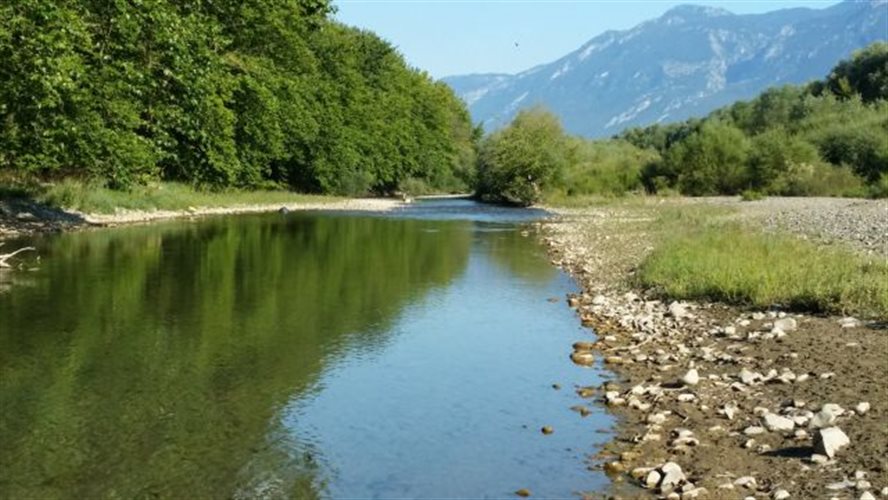
Modern Sparta is situated within a fertile plain which allows it to produce citrus and olives as well as a variety of other fruits and vegetables usually distributed throughout many other towns and places in Peloponnese. In antiquity the city-state was known as Lacedaemon, while the name Sparta referred to its main settlement on the banks of the Eurotas River in Laconia, in south-eastern Peloponnese. The history of Sparta is very rich and interesting, and provides this destination with a unique charm and appeal.
During Ancient Greece, Sparta was known as the most powerful state with a major naval force in the entire country. During those era, Athens and Sparta became strong allies against the Persian invaders, although they became enemies for a while as well. One interesting fact to know about Sparta is that it used to have two kings.
During the period in which this territory was known as the Doric State of Sparta, it had a mixed governmental state which would allow two hereditary kings to rule at the same time and with equal powers. This peculiarity has been explained through several different theories, although there is not any single one which could be completely confirmed as certain. Sparta was seen and known within Greece as a place of military power.

This is due to the fact that most Spartans used to be trained and prepared to be soldiers, and they could only change to another profession by specific request and permission. This was applied very strictly, and those who wouldn't want to follow it would have to face harsh penalties. These days, the destination known as Sparta contains many areas which allow tourists to meet the past of this territory face to face and explore many constructions, ruins, and structures which allow visitors to learn about the different aspects of this ancient powerful region. Modern Sparta and its surroundings is a very interesting destination, which all those who enjoy history would find especially appealing.
Tweet
Follow @Charlesfrize