Go Your Own Way: A Free-Spirited Guide to Adventure Travel, the World’s Fastest-Growing Travel Trend
The Rise of Experiential, Independent, and Off-the-Beaten-Path Travel

Hawaii Vacation Rentals Greece Travel Machu Picchu Africa Safari Laax Ancient Ruins in Turkey Varanasi India Zermatt Rome Paris Broome Australia Balearic Islands Chile Newzealand Phuket Mole National Park Ghana Botswana Cruise Travel Tips Banff Cambodia Egypt Cornwall Canada Travel Norway Tibet Italy Central America Thailand Alaska Andorra Olu Deniz London Costa Rica Ghana Tourism and Travel
Adventure Travel for the Free-Spirited Individual: A Guide to the World’s Fastest-Growing Travel Trend

Adventure tourism has evolved from a niche pursuit into one of the most dynamic and lucrative sectors of the global travel industry.
What began as a pioneering experiment in the Himalayas has blossomed into a market approaching one trillion dollars, attracting a diverse range of travelers united by a desire for immersion, challenge, and connection with the natural world.
The Origins of Adventure Travel
The modern adventure travel industry traces its roots to a single, pivotal journey. In 1967, Belgium-born travel agent Leo Le Bon led a group of Northern California clients on the first commercial trek in Nepal. The expedition ventured into the Annapurna region, and its success was immediate and profound. Le Bon subsequently co-founded Mountain Travel (now Mountain Travel Sobek), widely regarded as the first American adventure travel company devoted to worldwide outdoor wilderness trips. What started as a bold experiment with a $400 per-person trek has since grown into a global industry, with the company Le Bon co-founded still guiding travelers to remote corners of the globe decades later.

Defining Adventure Travel: More Than Just Adrenaline
Adventure travel resists a simple definition because it exists on a spectrum of intensity. For some, it means leisure biking through wine country or a guided nature walk; for others, it entails base jumping into a Mexican cenote or summiting a remote Andean peak. However, certain fundamental characteristics unify the category: adventure travel typically involves journeying to far-flung destinations, engaging with diverse cultures, and incorporating a meaningful physical activity into the experience.
Industry experts now recognize that the market extends far beyond adrenaline seekers. The Adventure Travel Trade Association (ATTA) defines today’s participants as “Open to Adventure”, a group motivated by curiosity, cultural immersion, and meaningful connections with nature and local communities. This broader definition reflects a shift in traveler values, where hiking and kayaking share equal billing with food experiences, local traditions, and storytelling encounters with residents.

Hard vs. Soft Adventures: Understanding the Spectrum
Adventure travel is commonly divided into two broad categories that help travelers and operators align expectations.
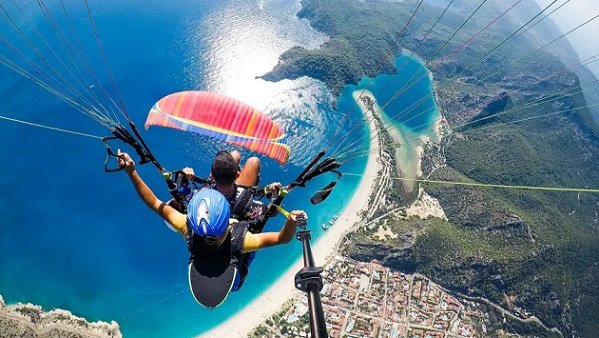
Hard Adventures involve extreme, high-risk sporting activities that demand physical fitness, technical skill, and often specialized equipment. Examples include rock climbing, mountaineering, paragliding, scuba diving in remote locations, and whitewater kayaking in challenging rapids. These pursuits carry inherent danger and typically require professional guidance and rigorous safety protocols.
Soft Adventures are lower-intensity, often educational experiences that prioritize cultural engagement and gentle physical activity over adrenaline. Bird watching, religious pilgrimages, architectural tours, wildlife safaris, and guided nature walks fall into this category. Soft adventures are generally more accessible to a wider range of ages and fitness levels, making them a significant driver of the industry’s expansion.

The Demographics of Adventure: Who Is Traveling?
The profile of the adventure traveler has diversified dramatically since the industry’s early days. While popular perception may still picture a college-educated male in his twenties embarking on a hard adventure, the data tells a more complex story.
According to ATTA’s 2025 market sizing report, the share of adventure-first travelers has risen from 30% to 40% of the global outbound market, and a remarkable 67% of all international travelers are considered “open to adventure” , meaning they are inclined to incorporate adventure activities into their trips even when adventure is not the primary focus. The vast majority of adventure travelers fall between the ages of 26 and 64 (74%), with only 9% in the 18–25 bracket.
Several distinct traveler segments have emerged within this broad audience. Adventure Intensives seek technical, challenging activities; Nature Enthusiasts are drawn primarily by landscapes and wildlife; Cultural Explorers prioritize history and local connections; and Experience Samplers mix light physical activity with cultural and culinary exploration. Women, particularly those in midlife seeking new perspectives after major life transitions, have become a substantial force in the market. Baby boomers and seniors continue to drive growth in soft adventures, while millennials and Gen Z are increasingly drawn to adventure for its experiential and shareable nature.

The Benefits: Why Adventure Travel Matters
Adventure travel offers benefits that extend well beyond the thrill of the moment. Physically demanding activities like trekking and climbing build strength, endurance, and cardiovascular health. But the psychological rewards are equally significant. Overcoming challenges, whether summiting a peak, navigating a foreign trail, or mastering a new skill, builds self-esteem and resilience, particularly for individuals navigating midlife transitions or seeking to break free from routine. The immersive nature of adventure travel also fosters a deeper connection with nature and local cultures, contributing to a sense of perspective and well-being that conventional vacations rarely provide.
A Practical Guide: Tips for the Free-Spirited Traveler
Embarking on an adventure requires more planning than a standard beach holiday. The following guide will help you prepare responsibly and safely.
1. Assess Your Adventure Style
Before booking anything, honestly evaluate your fitness level, risk tolerance, and interests. Are you drawn to the adrenaline of hard adventures, or would you prefer the cultural immersion of a soft adventure? A reputable travel agency or specialized operator can help you navigate the multitude of options and match you with an experience suited to your capabilities and goals.
2. Choose the Right Destination and Operator
Long-standing adventure destinations include the Seven Wonders of the World, from the Pyramids of Egypt and the Great Wall of China to the Taj Mahal in India, many of which offer biking, hiking, and cultural touring options. An expedition to Antarctica, a cultural tour in Japan or Ethiopia, or a safari through the African plains each provides a distinct flavor of adventure.
When selecting an operator, prioritize experience and reputation. Research the organization thoroughly, consult hotel or host recommendations, local authorities, and online travel forums, and verify that guides are experienced and affiliated with a reputable company. Be aware that local governments may not regulate adventure operators’ safety procedures, and you may be asked to sign a liability release.
3. Research Your Destination and Activity
Adventure travel laws and regulations vary significantly from place to place. Investigate local conditions, safety requirements, and any posted regulations before you go. Check weather forecasts before participating in any activity, as extreme local weather conditions can dramatically affect safety. Educate yourself about street crime risks in your destination and any stopover points, and stay informed about political instability or terrorism concerns.

4. Prioritize Travel Insurance
This is perhaps the most critical, and most frequently overlooked, element of adventure travel preparation. A standard travel insurance policy may not cover extreme sports, nature expeditions, or other adventure activities. You must purchase a policy that explicitly covers the activities you plan to undertake, including add-ons for wilderness rescue or adventure sports if necessary.
Medical evacuation coverage is essential. In remote areas, first responders and medical professionals may struggle to reach you, and evacuation for medical treatment can cost more than $100,000. Government embassies do not cover these costs, and most hospitals abroad do not accept domestic health insurance. Medical evacuation insurance is not a luxury, it is a fundamental component of responsible adventure planning.
5. Prepare Physically and Medically
Talk to your doctor before departure to ensure you are healthy enough for the activities you have planned. Pack a travel health kit, learn where to access healthcare during your trip, and carry enough water for your activities. If you have a guide or safety instructor, follow their instructions without exception, and always wear appropriate protective gear, helmets for cycling and climbing, life jackets for water activities, and any other equipment the activity demands.
6. Know Your Emergency Contacts and Protocols
Before you leave, save the contact information for your country’s embassy or consulate in your destination. Know the local emergency phone numbers. Tell someone, a family member, friend, or hotel, your itinerary and expected return times. If your country offers a traveler enrollment program (such as the U.S. Smart Traveler Enrollment Program), use it so you can receive safety and security alerts and be reachable in an emergency. Stay with your group and on-site when participating in organized activities.
The Road Ahead
Adventure travel has come a long way from Leo Le Bon’s first Himalayan trek. Today it is a trillion-dollar industry defined not by a single type of traveler or activity, but by a shared desire for authentic, immersive, and transformative experiences. Whether you are drawn to the summit of a remote peak, the quiet observation of wildlife in its natural habitat, or the winding streets of an ancient city explored on foot, the world of adventure travel offers a path for every free-spirited individual willing to prepare thoughtfully and step boldly. The key is to match your ambition with preparation, respect the risks, invest in the right protections, and let curiosity be your guide.