Travel Greece: Islands, History & Food
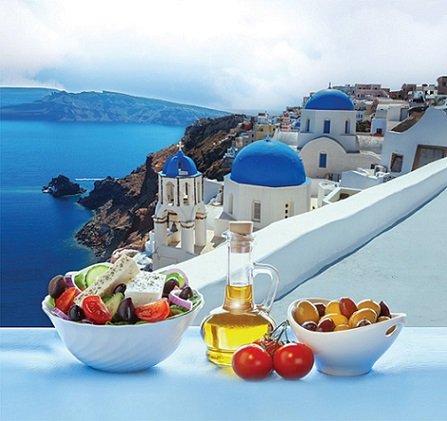
Greece Travel: Plan Your Perfect Greek Island Trip

Sparta Argos Cyprus Florence Italy Meditarranean Cruise Paris Croatia Burgundy Cheap Airline Flights Balearic Islands Rome Barcelona Margaret Island Albania Bulgarian Culture Tuscany Alicante Olu Deniz Majorca Germany Attractions Lake District Ireland Cornwall Edinburgh London Vancouver Island Siena Sicily Tours Venice Guide Porto Bordeaux Cordoba Avila Spain Florence USA Travel Cambodia London Phuket Zermatt
The Art of Aegean Travel: Your Contemporary Guide to the Perfect Greek Vacation
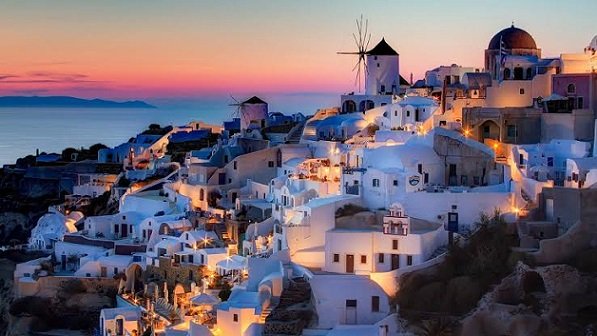
Greece is a destination that operates on two planes at once.
On one, there is the Greece of the imagination, whitewashed chapels, sapphire water, and marble ruins glowing in the afternoon sun.
On the other, there is the living Greece of today: a country of vibrant cities, a new generation of chefs reinterpreting ancient ingredients, and islands that reward travelers willing to look beyond the obvious. Over 15 million visitors are drawn here each year, and for good reason. The drama and art that have surrounded Greece for millennia persist in every stone, every meal, and every conversation.
This guide is designed to help you experience both versions of the country, the iconic and the contemporary, without the crowds, the stress, or the guesswork.
Athens: Where Antiquity Meets the Avant-Garde
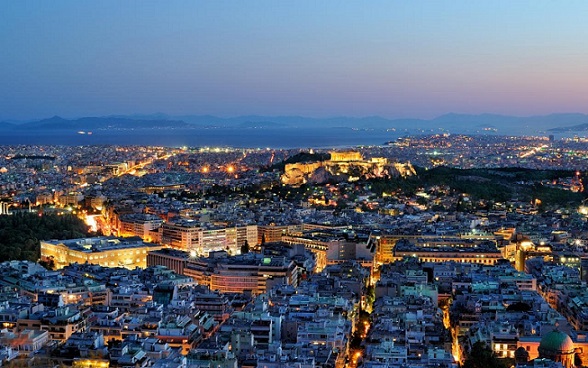
Athens is not merely a gateway to the islands. It is a destination in its own right, one that has quietly transformed into a year-round city break. The city's appeal extends far beyond its history lessons; as one travel expert put it, "Athens has a vibe. The restaurants and bars feel intimate, and visitors can either indulge in the city's vibrant nightlife scene or simply go for a stroll at night, the city is second to none during the evening".
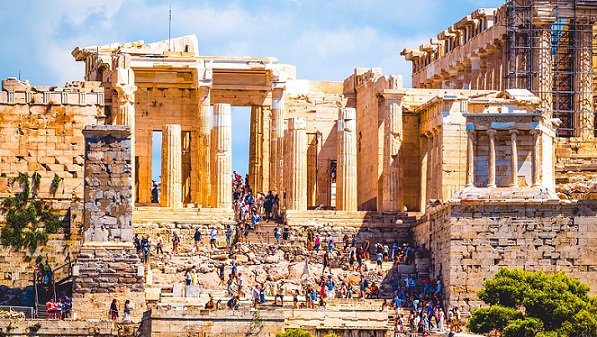
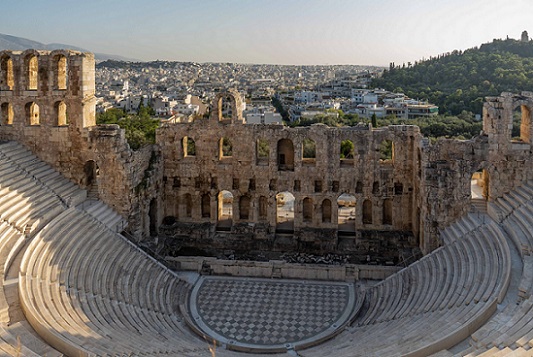
The Acropolis and the Agora remain the essential starting points. Arrive at the Acropolis when gates open at 8:00 AM for softer light and thinner crowds, then head straight to the Parthenon. By afternoon, retreat to the Acropolis Museum to see the original Caryatids, described by travelers as "a hundred times more stunning than the replicas". Below the Acropolis lies the Ancient Agora, the sprawling ruin where Socrates and Plato once deliberated. The Temple of Hephaestos, remarkably well-preserved, stands on a low hill on the western side, and some of the shrubs and trees in the area are as old as the ruins themselves.
The National Archaeological Museum is one of the world's great repositories of ancient civilization, housing over 11,000 exhibits spanning from 7000 BC to AD 500. The must-sees include the golden Mask of Agamemnon from the royal tombs of Mycenae, the Antikythera Mechanism (an ancient astronomical computer that still baffles scientists), the Artemision Bronze, a towering statue of Zeus or Poseidon, and the preserved frescoes of Thera from Akrotiri, a Bronze Age city buried by volcanic ash.
For a contemporary perspective, visit the National Museum of Contemporary Art or spend an afternoon exploring the boutique shops of Plaka, where local artisans sell high-quality Greek crafts, jewelry, and clothing. End the day with rooftop dining near Monastiraki Square, watching the sunset paint the Acropolis in gold.
The Islands: Beyond the Postcard
Greece has 227 inhabited islands, and choosing among them is the central dilemma of any Greek vacation. The key is to match the island to your temperament rather than simply following the crowds.
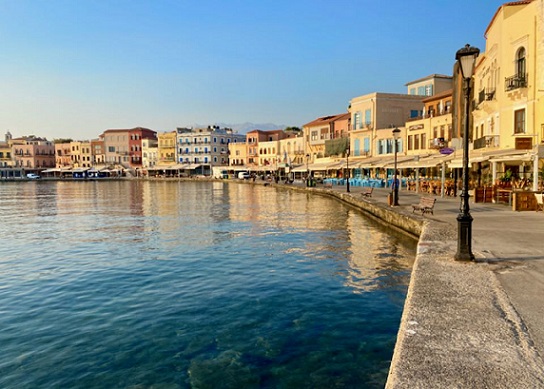
Crete is the ultimate all-rounder. Greece's largest island offers year-round appeal, a deep food culture, and archaeological depth that few places on earth can rival. Renting a car is essential for exploring beyond Heraklion. The Palace of Knossos demands a guide, without one, it is "just a pile of rocks", but with a good storyteller, it becomes the labyrinth of myth. Chania's Old Venetian Harbor, with its lighthouse and waterfront tavernas, is worth a two-night stay, and the sunset there is arguably more soothing than in Santorini.
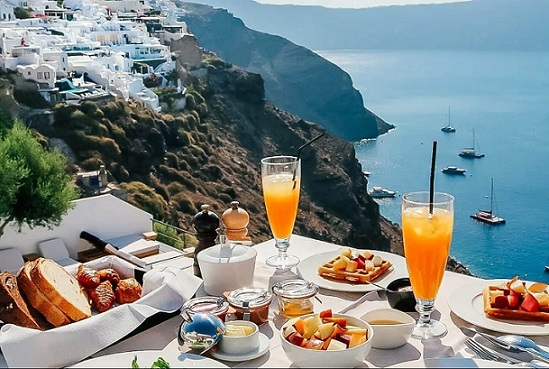
Santorini remains a place every traveler should experience at least once, but the savvy approach is to avoid the Oia sunset crush. Imerovigli, Megalochori, and Pyrgos offer better value, fewer crowds, and equally spectacular caldera views. Book sunset-dinner tables weeks in advance, and skip the roadside "VIP viewing spot" pitches, public areas offer perfectly good views for free. The eastern coast beaches, often overlooked, are worth a day of exploration.
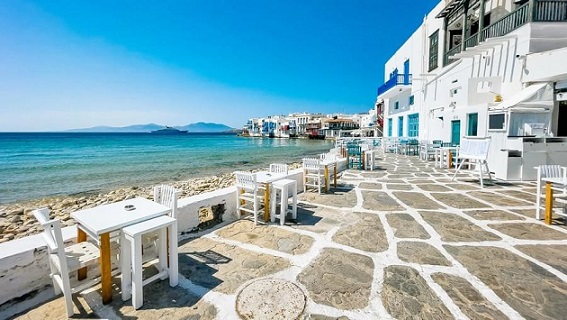
Mykonos is not only a nightlife capital but also a family-friendly island with calmer corners beyond its famous beach clubs. The best time to visit is late April to early June, when the island enters a phase of "quiet luxury" before the August crowds descend. Rent a scooter or ATV to explore Cape Armenistis and its 19th-century lighthouse, but ensure you carry an International Driving Permit—local enforcement is strict.
For those seeking alternatives to the overtouristed hotspots, Paros is at that perfect stage: lively enough to be interesting, but not overwhelming. Sifnos has earned a reputation as one of Greece's great food islands, and because it has no airport, it remains crowd-light and unspoiled. Hydra, car-free and artistically vibrant, hosted a major international art festival in 2026 and continues to draw creative travelers with its enduring cultural cachet. Kefalonia brings Ionian drama with mountain landscapes and luminous beaches, while tiny Kastellorizo, described as "spoken about in whispers," offers secluded, end-of-the-line charm.
The Mainland's Hidden Depths
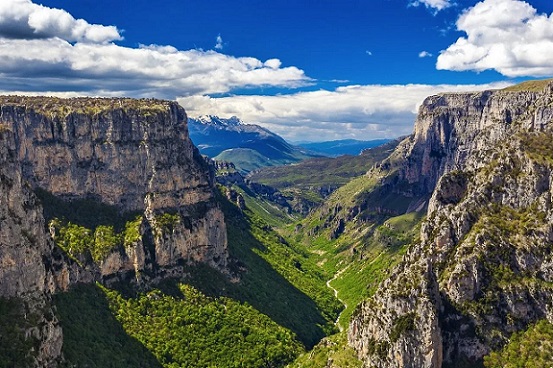
Vikos Gorge in the Zagori region of Epirus is one of Europe's most impressive canyons and a paradise for hikers and food lovers alike. It is the world's deepest gorge relative to its width, 1,100 meters deep and 1,100 meters wide at the rim, cutting through a landscape of 46 stone villages. The classic hike runs 12.5 kilometers from Monodendri to Vikos village, with the descent taking about 45 minutes to the riverbed. The gorge is free to enter, and the trail is marked with red-and-white paint. A word of caution from those who have learned the hard way: do not swim in the Voidomatis River, it is the village drinking source, carries a €150 fine, and the water temperature hovers around 4°C.
Contemporary Tips for the Savvy Traveler
Timing is everything. The golden windows for most destinations are April to June and September to October. You will enjoy comfortable temperatures, thinner crowds, and lower prices. In July, temperatures can exceed 40°C, plan to rest indoors during midday and venture out again after 4:00 PM.
Book ferries early. During peak season, ferry tickets should be purchased at least three days in advance. Do not rely on buying them at the port.
Museums close on Mondays. Plan your itinerary accordingly, this applies to most archaeological sites and museums across the country.
Dress for the terrain. The cobblestone streets of Santorini and the cliffside paths of Mykonos are unforgiving to wheeled luggage and uncomfortable footwear. Wear sneakers, pack light, and consider staying at a hotel where staff can assist with bags.
Eat where the locals eat. Skip the "internet-famous" spots. In Athens, try loukoumades, fried dough balls with honey and cinnamon, for around €3. In Santorini's village of Pyrgos, walk into any family-run restaurant; the feta in the Greek salad is usually homemade. On Crete, look for the daily special (piato imeras) at family tavernas, and buy water and snacks at supermarkets rather than tourist kiosks.
Understand the small print. The restaurant "cover charge" is for bread and water, if you don't want it, simply say no. Taxis should always use a meter; if they don't, find another one. On Mykonos and Santorini, sun protection is non-negotiable: the breeze is cool but the sun is fierce.
Travel responsibly. Do not take rocks or fragments from archaeological sites, it is a serious legal offense. Carry a reusable water bottle, as tap water is drinkable on many islands.
Greece rewards those who approach it with curiosity rather than a checklist. The country's lasting impact comes not from ticking off landmarks but from the moments between them: a long taverna lunch that stretches into evening, a conversation with a shepherd on a mountain path, the sudden sight of the Aegean stretching to the horizon. Go for the history, stay for the life.

Tweet