Broome: Cable Beach, Pearls & the Staircase to the Moon
Broome, Australia: Where Red Earth Meets Turquoise Sea

Broome Australia Visit Australia Ayers Rock Alice Springs Newzealand USA Travel Greece Travel Balearic Islands Varanasi India Paris Rome Phuket Palm Springs London North Carolina Edinburgh Tuscany Munich Portugal Lake District Tanzania Switzerland Banff Egypt Laax Asia Travel Cruise Travel Tips Mole National Park Ghana Cambodia Private Jet Charter Manchester Alicante Costa Rica Porto
Broome: The Complete Guide to Western Australia’s Hidden Pearl
Broome is one of Australia’s most distinctive holiday destinations, a tropical oasis on the edge of the Kimberley, where pearling history, multicultural heritage, and some of the country’s most celebrated beaches converge. It is a place that rewards both relaxation and curiosity, whether you are riding a camel along a 22-kilometre white-sand shoreline, hunting 130-million-year-old dinosaur footprints at low tide, or watching a full moon rise over Roebuck Bay in a phenomenon known as the Staircase to the Moon. This expanded guide brings together the practical details, cultural context, and safety information you need to plan a memorable visit.
Why Broome Is More Than a Beach Destination
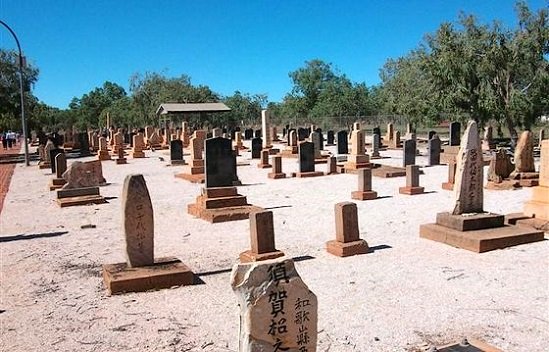
Broome’s character was shaped by the sea, specifically, by the pearling industry. At its peak, the town was one of the world’s most important pearling centres, supplying around 80% of the world’s mother-of-pearl shell and attracting workers from Japan, China, Malaysia, and beyond. That history is still visible in Chinatown, where corrugated-iron sheds, historic stores, and the Pearler’s Boardwalk recall the days when hundreds of pearling luggers worked out of the port. The Japanese Cemetery, with more than 900 graves, most of them pearl divers who died from drowning or decompression sickness, is a sobering and important stop for understanding the human cost of the industry.
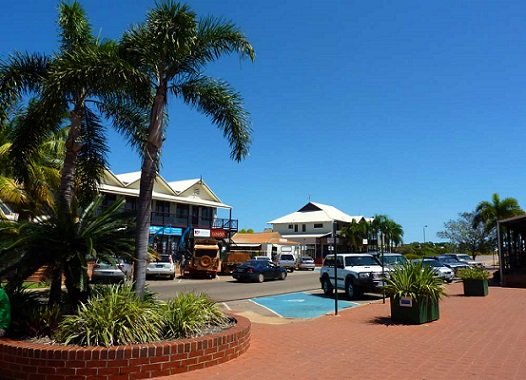
Today, Broome blends that frontier heritage with a relaxed resort atmosphere. Art galleries, jewellery shops, cafés, and pearl showrooms sit alongside historic architecture, and the town serves as a natural base for exploring the wider Kimberley region.
Cable Beach and Broome’s Natural Highlights
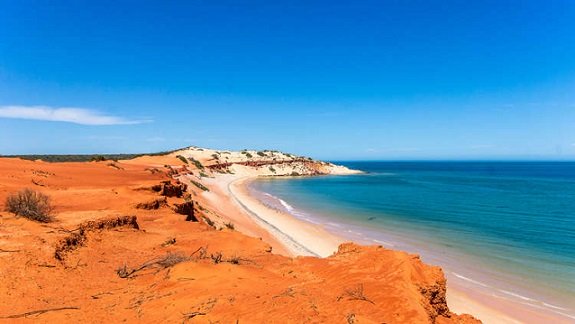
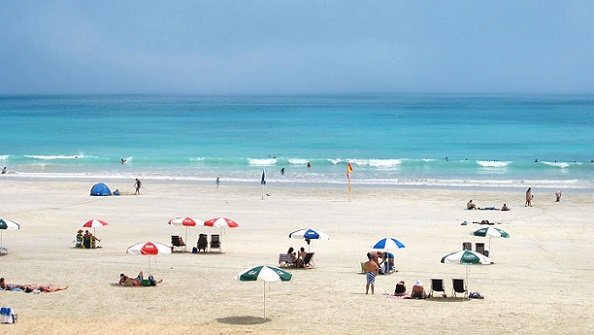
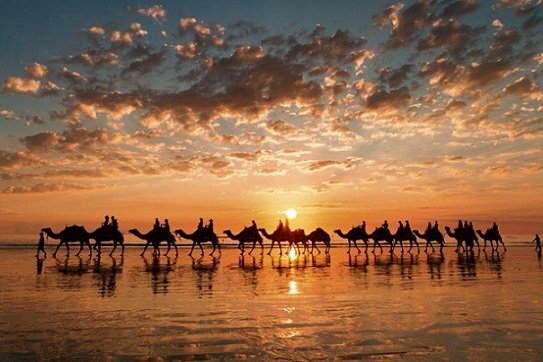
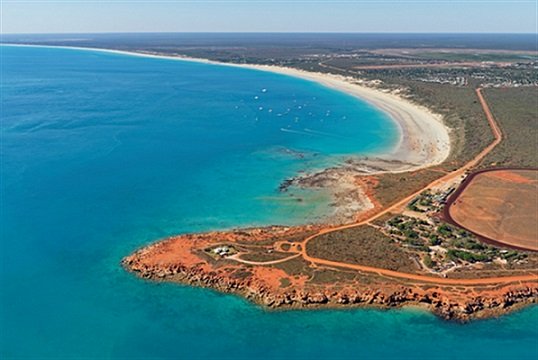
Cable Beach is the town’s signature attraction: a 22-kilometre stretch of white sand and turquoise water, named after the telegraph cable laid between Broome and Java in 1889. It has been recognised among the world’s best beaches, and it is easy to see why, the beach is wide, clean, and backed by sand dunes and ochre-red cliffs. Sunset camel rides are a quintessential Broome experience, with operators offering pre-sunset and sunset tours along the shoreline. Swimming is popular, but it is essential to understand the tidal and marine conditions before entering the water (see the safety section below).
At the southern end of Cable Beach, Gantheaume Point preserves dinosaur footprints in reef rock dating back more than 125 million years. The prints are best seen at low tide, and the surrounding red cliffs offer striking coastal views. Roebuck Bay, on the eastern side of town, is another important natural area, especially for birdwatchers. Flocks of migratory shorebirds arrive from north Asia each year, and the bay’s mudflats are also the stage for the Staircase to the Moon.
Understanding Broome’s Climate and Seasons
Broome has a tropical climate with two distinct seasons: the dry season and the wet season. The dry season generally runs from April or May through November, with warm days, clear blue skies, and low humidity; daytime temperatures typically range from around 17°C to 30.8°C. The wet season, roughly December to March, brings higher humidity, temperatures in the mid-30s°C, and sporadic heavy downpours, with the risk of cyclones and summer storms.
The practical takeaway is that the dry season is the most comfortable time for general sightseeing and beach holidays, while the wet season offers dramatic landscapes and fewer crowds but requires flexibility and attention to weather warnings. The official tourist season typically begins in April.
Getting There and Getting Around
Broome International Airport is the regional aviation hub for the North West, with direct flights to several Australian capital cities including Perth, Sydney, Melbourne, and Darwin. Airlines serving the airport include Qantas, Virgin Australia, Airnorth, Nexus, and Skippers, with connections across the Kimberley, Pilbara, and Mid-West regions.
Public transport in Broome is limited but has improved in recent years. TransBroome services now cover the key corridor between Cable Beach, Chinatown, and Town Beach, and coverage has been expanded to include Broome Airport, more of Cable Beach, Roebuck Estate, and Broome North. The terrain is flat, making cycling a practical option, and rental bikes are readily available. For broader exploration, such as trips to Gantheaume Point or Willie Creek, a car is useful, and several operators run tours.
Where to Stay: From Budget to Luxury
Broome’s accommodation spans the full range. Cable Beach is the main resort hub, with options including self-contained apartments, holiday parks, and resorts such as Oaks Cable Beach Resort, Kimberley Sands Resort, Blue Seas Resort, and RAC Cable Beach Holiday Park. Budget travellers will find hostels and budget resorts, including Cable Beach Backpackers and Beaches of Broome, while luxury travellers can choose from spa resorts and premium apartments. Because availability tightens during the dry season and major events, it is wise to book well ahead and compare locations, staying near Cable Beach suits beach-focused holidays, while Chinatown or Town Beach puts you closer to history, dining, and the Staircase to the Moon.
Events and Experiences Worth Planning Around
Broome’s event calendar gives the town a rhythm of its own. The Staircase to the Moon is a natural phenomenon that occurs when a full moon rises over the exposed tidal flats of Roebuck Bay, creating the illusion of a staircase reaching upward. It happens two to three days a month between March and October, and popular viewing spots include Town Beach, the Mangrove Hotel, the Broome Fishing Club, and the Roebuck Bay lookout. Night markets at Town Beach often accompany the phenomenon on selected dates, typically from 4pm to 8pm.
In August and September, Shinju Matsuri, the Festival of the Pearl, celebrates Broome’s multicultural heritage with an opening ball, float parade, cultural activities, and food events. The 2026 festival runs from late August to early September. Opera Under the Stars is another August highlight, traditionally held at the Cable Beach Amphitheatre and featuring some of Australia’s finest opera performers. These events are popular, so accommodation and tickets should be secured early.
Practical Tips and Safety Information
Broome’s natural beauty comes with real environmental hazards that visitors should respect.
- Swimming safety: Cable Beach is the main patrolled swimming area, but conditions can change quickly. The Kimberley coast experiences some of the largest tides in the Southern Hemisphere, up to around 9 metres, creating strong currents and rips at high tide. Saltwater crocodiles are occasionally seen at Town Beach and in creeks and bays, and box jellyfish and Irukandji stingers are present in warmer months, roughly October to May. Heed signage, swim only where patrolled, and avoid swimming in estuaries or at unpatrolled sections of beach.
- Tidal planning: Many of Broome’s best experiences are tide-dependent. The dinosaur footprints at Gantheaume Point are visible at low tide, and the Staircase to the Moon requires low tide combined with moonrise. Check tide charts before heading out.
- Sun protection: The sun is severe year-round. Carry water, wear a hat and sunscreen, and avoid prolonged exposure during the middle of the day, especially at exposed sites like Gantheaume Point, where shade is limited.
- Book ahead for events and peak season: The dry season and major festivals bring a surge in demand for accommodation, tours, and camel rides. Reservations made well in advance will give you more choice and better value.
- Respect the cultural landscape: Broome is on Yawuru country, and the town’s history is deeply intertwined with Aboriginal, Asian, and European communities. Visiting the Japanese Cemetery, Chinatown’s public art, and the Broome Historical Museum adds meaningful context to a holiday that might otherwise be only about beaches.
Broome is that rare destination where a beach holiday and a cultural history lesson sit comfortably side by side. With the right timing, a bit of planning around tides and seasons, and a willingness to look beyond the shoreline, it can be one of the most rewarding trips in Australia.
Tweet