North Carolina

From the Blue Ridge to the Outer Banks
New England New York Las Vegas Manhattan Santa Monica London Rome San Francisco Cambodia Smart Travel Hacks Provence France Florence Portugal England Avignon Tulsa Alabama Varanasi India Alaska Vacation Majorca Ireland Amsterdam Madrid California Ghana Travel and Tourism Paris South America Vancouver Island
From Appalachian Peaks to Atlantic Tides: The Soul of North Carolina
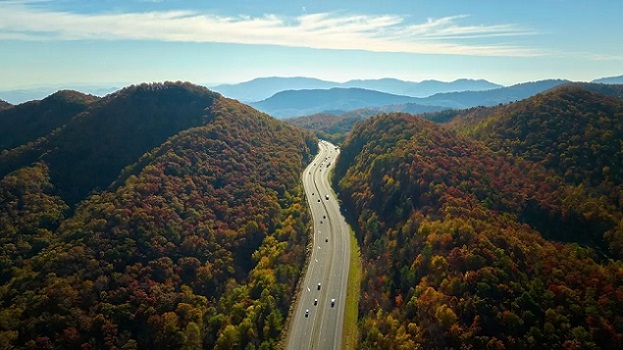
Stretching from the ancient, mist-laden summits of the Appalachians to the untamed, wind-swept barrier islands of the Atlantic, North Carolina weaves a travel narrative unlike any other.
This is a land of striking duality, where the profound quiet of secluded shorelines harmonizes with the vibrant energy of cosmopolitan cityscapes, and where tranquil mountain hollows offer a restorative counterpoint to bustling cultural hubs.
For devotees of sun and surf, the state’s sprawling coastline delivers three distinct gems: the serene Crystal Coast, the historically rich Cape Fear region, and the mythic, ever-shifting Outer Banks. Within this final frontier lies the Cape Hatteras National Seashore, a pristine, seventy-mile sanctuary of protected dunes, salt marshes, and maritime forests that feels suspended in time. Just to the south, the animated boardwalks of Atlantic Beach and the storied, riverfront allure of Wilmington offer lively, classic seaside escapes brimming with local flavor.
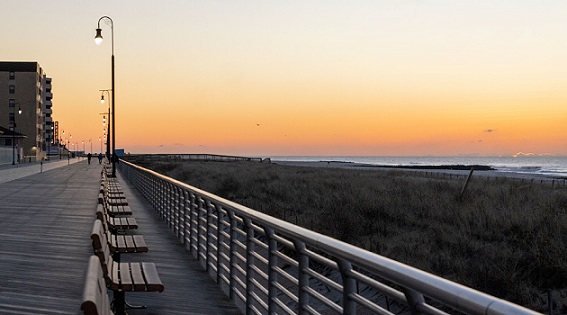
Venture westward, and the scenery undergoes a dramatic metamorphosis. The North Carolina highlands beckon adventurers with a dynamic playground for all seasons, offering the adrenaline of downhill skiing against wintry white slopes, the meditative peace of hiking through emerald-canopied trails in summer, and the raw thrill of mountain biking along ridges that unfurl into sweeping, horizon-to-horizon panoramas. Here, every trail and turn tells a story of rugged natural beauty, patiently waiting to be discovered.
Complementing these natural splendors are North Carolina’s major metropolitan hubs, each thriving as a nexus of commerce, academia, and the arts. At the forefront stands the dynamic triangle formed by the capital, Raleigh, alongside Durham, Chapel Hill, and Charlotte, together forming the state’s energetic core. Raleigh proudly hosts the renowned Research Triangle Park, the nation’s largest research park, where over forty-five thousand professionals converge daily within a high-tech ecosystem flanked by world-class universities. Yet beyond its scientific clout, Raleigh brims with cultural depth, offering visitors and locals alike such landmarks as the Martin Luther King Jr. Memorial Park, the North Carolina Museum of History, and the North Carolina Museum of Art.

To the west, Charlotte, the state’s most populous city, commands attention with a dramatic skyline anchored by the iconic Hearst Tower, one of North Carolina’s loftiest structures. But even amid this urban energy, tranquility is never out of reach. Just beyond the high-rises, Latta Plantation Park unfolds across 2,500 acres of wooded respite, complete with more than seven miles of trails perfect for hiking or horseback riding. There, panoramic vistas and the gentle presence of local waterfowl offer a peaceful counterpoint to the city’s brisk pace.
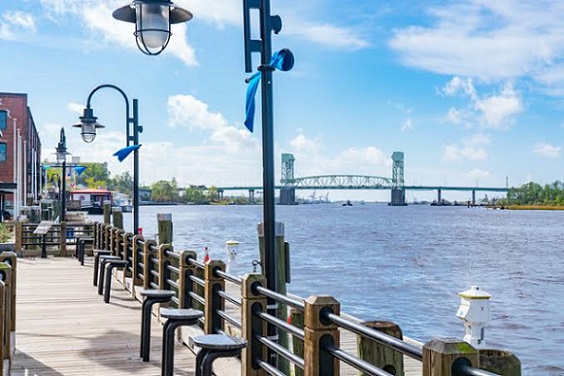
Nestled between the Cape Fear River and the Atlantic Ocean, Wilmington offers a quieter, more understated urban allure, where Southern charm meets coastal breezes. As the home of the Cape Fear Museum, the oldest history museum in the state, this port city wears its heritage with pride. Its picture-perfect downtown district feels like a living postcard, where visitors can clip-clop along cobblestone streets in old-fashioned carriages or glide through historic avenues on trolley tours, all while popping into cozy cafes, waterfront restaurants, and an eclectic array of independent boutiques.
For those yearning to truly live within the past, North Carolina’s collection of historic inns provides an intimate glimpse into the state’s architectural soul. Take the Governor Eden Inn in the quaint Inner Banks town of Edenton: a neoclassical bed-and-breakfast from the early 1900s, its sweeping wraparound veranda practically begs for lazy afternoons with a glass of sweet tea. Meanwhile, in the mountain city of Asheville, the Old Reynolds Mansion tells an even more remarkable tale of survival, one of the few brick structures left standing after the city’s transformation, it was snatched from the wrecking ball and lovingly reborn as a three-story inn. Now a proud fixture on the National Register of Historic Places, it offers guests an affordable, unfiltered taste of yesteryear, proving that history need not come with a hefty price tag.

Outer Banks History And Tourism
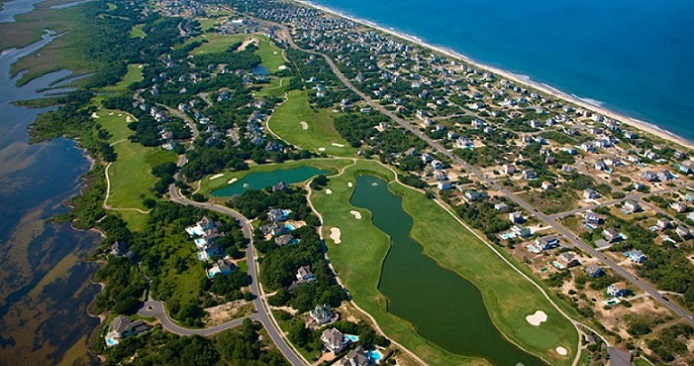
Jutting into the Atlantic Ocean, North Carolina's Outer Banks are a 100-mile-long ribbon of barrier islands where history, recreation, and raw natural forces powerfully converge. More than just beaches, this dynamic landscape is a place of seminal American firsts and constant change.
Visitors are drawn by expansive sands, world-class wind sports, and a rich heritage, from the first English settlements at Roanoke to the Wright Brothers’ pioneering flight at Kitty Hawk. Yet the very elements that define the region also shape its destiny. As the easternmost bulwark against the Atlantic, the Outer Banks bears the full brunt of hurricanes, its shoreline endlessly sculpted by wind and wave.
Here, the promise of adventure is framed by the ocean's timeless whims, offering a destination where relaxation is paired with a profound sense of place and nature's untamed power.
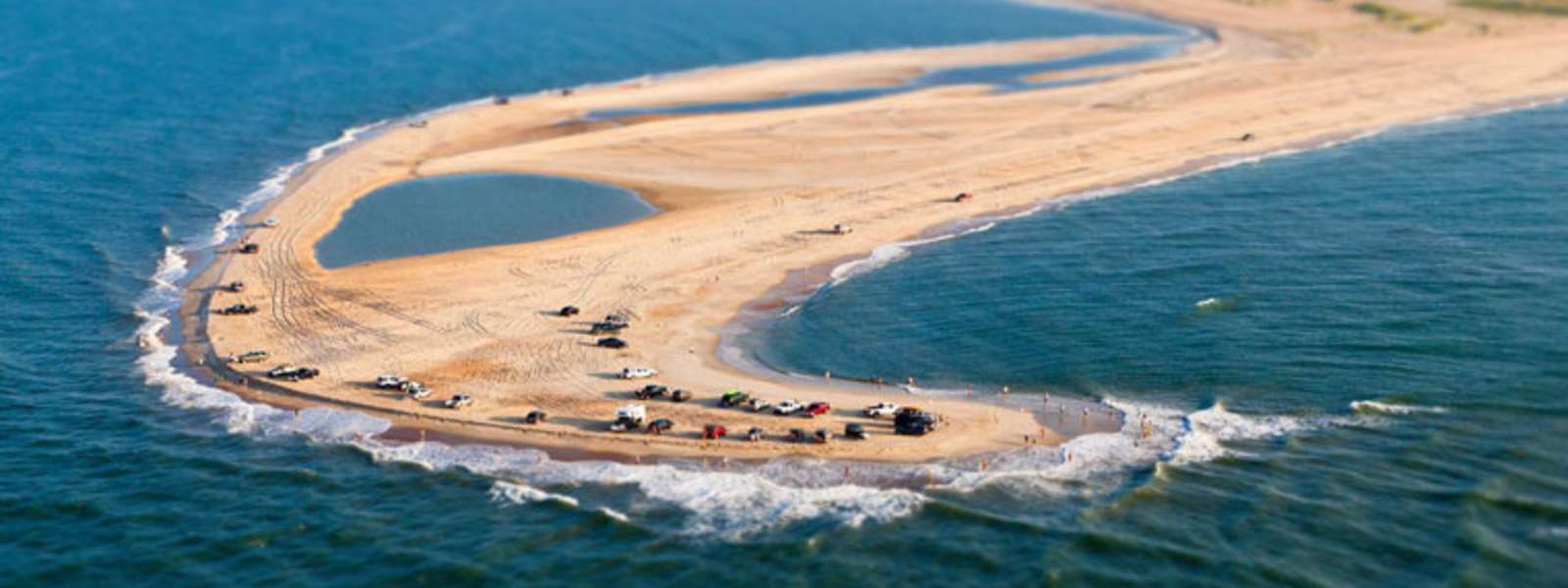
The islands themselves are in a constant, gradual migration westward, shifting one to two feet each year. This relentless movement, which pulls sand from the eastern shores only to discard it into the Atlantic, means a shipwreck that occurred just offshore centuries ago would now lie as much as a mile out to sea. This was the dynamic coastal landscape first encountered by European explorer Giovanni de Verrazzano when he landed on these banks in 1524.
Later that century, Sir Walter Raleigh sent two English explorers to Roanoke Island and the first settlement of Europeans was established. During the ensuing centuries the area of sea just off the Outer Banks was coined by US Stateman Alexander Hamilton to be the "graveyard of the Atlantic." Scores of ships were sunk and hundreds of lives were lost as storms marched up the coast as they crept past the islands.
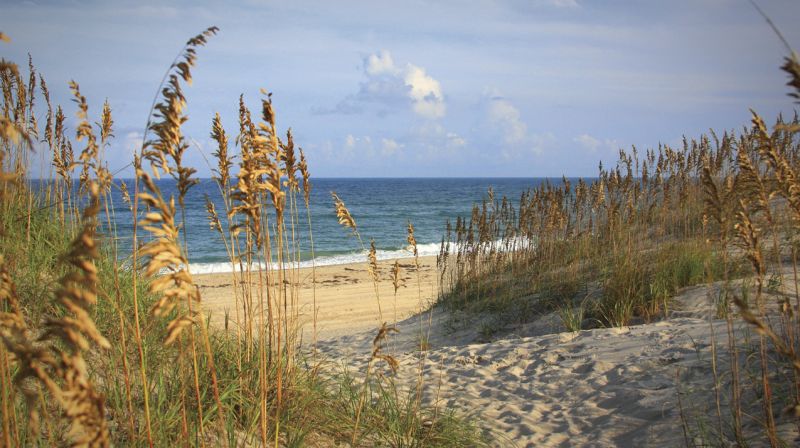
The American government, in an attempt to provide navigational assistance, constructed lighthouses along these shores. Even today four of these ancient watchmen continue to stand although their lights have long since been extinguished.
Much later, in 1903 to be exact, two brothers from Ohio, Wilbur and Orville Wright, attempted to make the first manned flight of an aircraft from Kill Devil Hills. Their twelve second voyage was short and sweet, and the rest is now history.


Other outstanding features of the Outer Banks include: Jockey's Ridge State Park featuring the highest sand dunes on the east coast; the Cape Hatteras National Seashore; wildlife refuges and maritime forests; and a whole host of recreational activities including: kite flying, deep sea fishing, swimming, boating, and more. Without a doubt, the Outer Banks has something for just about everyone and is well worth exploring. You will be enchanted the first time and every time you visit.
Tweet
Follow @Charlesfrize