Waakye: Ghana's Meanest Street Food Alive
The Dish That Owns Ghana's Mornings: A Deep Dive into Waakye

Traditional Ghanaian Food Diet and Nutrition Mole National Park Ghana Travel and Tourism Kakum National Park Kwame Nkrumah Memorial Park Egypt Croatia Paris Angola Florida
Waakye: The Heartbeat of Ghanaian Breakfast Culture
What is Waakye?
Waakye (pronounced wah-chay) is a beloved Ghanaian dish of cooked rice and beans, typically eaten for breakfast or lunch.
The name comes from the Hausa language, a contracted form of shinkafa da wake, which simply means "rice and beans". What sets waakye apart from ordinary rice and beans is the cooking process: the rice and beans are boiled together with dried red sorghum leaf sheaths (and sometimes a small amount of kaun, or powdered limestone), which give the dish its signature reddish-brown color and a distinctive, earthy flavor.
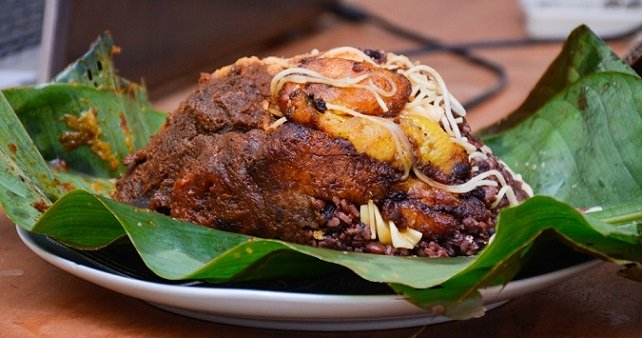
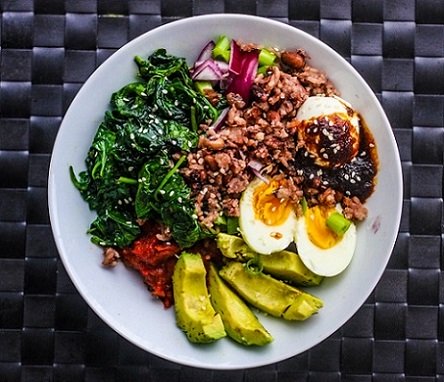
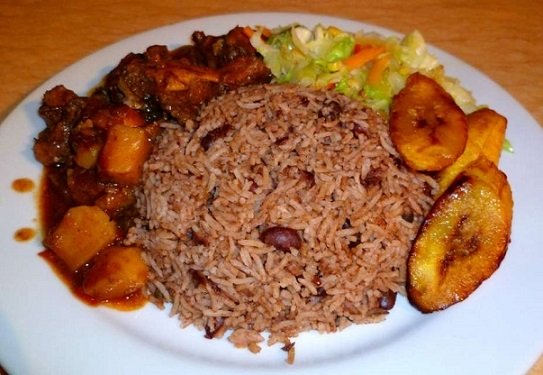
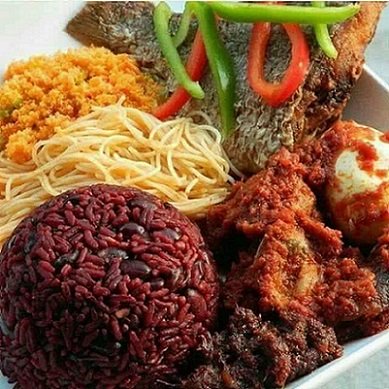
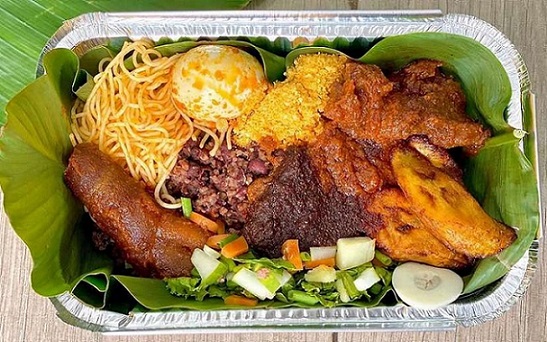
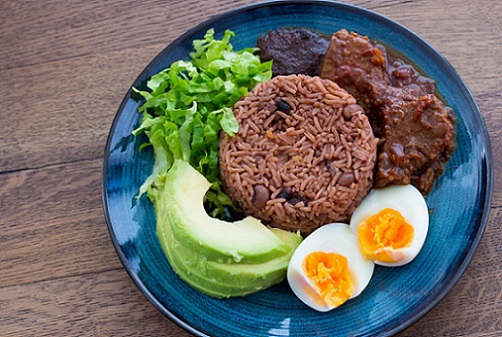
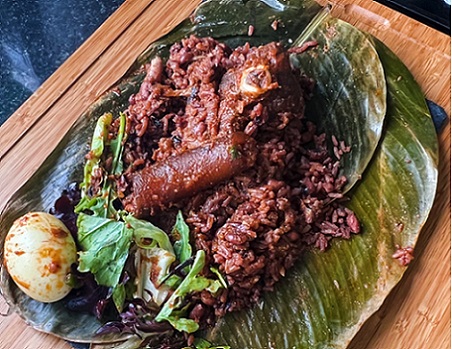
It is commonly sold by roadside vendors, wrapped in banana or katemfe leaves, and served with an array of accompaniments that can include shito (a spicy black pepper sauce), boiled eggs, garri, spaghetti (called talia in Ghana), fried plantain, avocado, wele (cow skin), and vegetable salad.
The History of Waakye
Waakye is thought to have originated in northern Ghana, among the Mole-Dagbon people, where rice and beans are staple food crops. The dish is also strongly associated with Hausa settlers in the Zongo communities of southern Ghana, who played a major role in popularizing it across the country.
The word waakye itself is derived from the Dagbani language, referring to a particular kind of bean, while in Hausa, the bean and the dish are called wake. It is believed that waakye may be the precursor to the rice and beans dishes commonly found in the Caribbean and South America, such as Jamaica's rice and peas or Brazil's o arroz com feijão, which were brought to the Americas through the Trans-Atlantic slave trade.
Despite its northern origins, waakye has become a truly national dish, with variations in ingredients and accompaniments reflecting the diverse cultures across Ghana.
Waakye's Place in Ghanaian Culture
Waakye is more than just food in Ghana, it is a cultural institution. It is considered by many to be Ghana's favourite breakfast, and the long queues at waakye joints every morning are a testament to its enduring popularity.
A Social Ritual: Eating waakye is often a communal experience. Whether bought from a street vendor or prepared at home, it is a dish that brings people together. The traditional way of eating it, wrapped in leaves and eaten with the fingers, is still preferred by many purists, who say the leaves add a unique aroma and flavor that enhances the meal.
A Marker of Identity: Waakye is so deeply embedded in Ghanaian identity that it has been called "Ghana's soul food". It is served at almost every event venue and on special occasions, from funerals to festivals. The dish has also inspired cultural events, such as the Waakye Summit, Ghana's largest culinary festival dedicated to celebrating the dish.
A Street Food Icon: While waakye can be prepared at home, it is the street vendors who are the true custodians of the dish. Many popular waakye joints are run by people from northern Ghana, where the dish originated, and some vendors have become local celebrities. Auntie Muni, a famous waakye seller at Labone junction in Accra, was so beloved that her passing in 2024 was widely reported. For many Ghanaians, the best waakye is always found at the street vendor down the road.
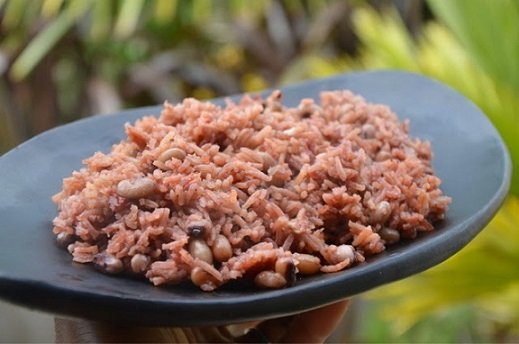
Tips and Guide to Making Waakye
Making authentic waakye at home is entirely possible, but there are a few key tips to keep in mind.
Essential Ingredients
- Rice: Use parboiled or long-grain rice. Basmati is not recommended, as it does not absorb the bean liquor evenly.
- Beans: Black-eyed peas or cow beans are traditional.
- Waakye Leaves: Dried sorghum leaf sheaths are non-negotiable. They provide the color and earthy flavor. Do not substitute with food coloring.
- Kaun (Powdered Limestone) or Baking Soda: A small amount helps soften the beans and brings out the red pigment from the sorghum leaves.
Step-by-Step Tips
1. Soak the Beans Overnight: This is crucial for softening the beans and reducing cooking time. Soak black-eyed peas in plenty of water for at least 6 hours or overnight.
2. Cook the Beans First: Boil the soaked beans with the waakye leaves and a teaspoon of bicarbonate of soda (or kaun) until the beans are tender and the water has turned a deep, wine-red color.
3. Add the Rice: Once the beans are soft, add washed rice to the pot. Season with salt and stir gently to combine.
4. Simmer and Steam: Reduce the heat to low, cover the pot tightly (you can use foil under the lid for a better seal), and cook until the rice is tender and all the liquid is absorbed. Do not uncover the pot during this time, the steam is essential.
5. Rest and Fluff: After cooking, let the waakye sit covered for 5 minutes. Then, remove the waakye leaves and fluff the rice with a fork.
6. Serve with Generosity: Waakye is all about the accompaniments. Offer a variety of sides such as shito, boiled eggs, fried plantain, spaghetti, garri, avocado, and a protein of choice (fish, chicken, or beef stew).
Pro Tip: Use bicarbonate of soda sparingly. Too much can leave an unpleasant aftertaste. Its main purpose is to help soften the beans.
Nutritional Information
Waakye is not only delicious but also highly nutritious. It is a well-balanced meal that provides a good mix of carbohydrates, protein, and fiber.
Macronutrients
A typical serving of waakye (approximately 300g, without heavy sides) contains:
Calories: ~435 kcal
Carbohydrates: ~72g
Protein: ~16.5g
Fat: ~9g
Fiber: ~10.5g
Sources: Calorique, Eat This Much
Key Health Benefits
Rich in Antioxidants: The sorghum bicolor leaves used to cook waakye are rich in carotenoids, flavonoids, and phenolic acids, which are natural antioxidants. These compounds help fight oxidative stress and may reduce the risk of cardiovascular diseases and certain cancers.
High in Fiber and Protein: The combination of beans and rice provides a complete protein profile and a substantial amount of dietary fiber, which supports digestive health and helps keep you full.
Medicinal Properties: According to nutritionists, waakye is not only nutritious but also medicinal. The sorghum leaves contain chemical components that aid the digestive system and help with free bowel movements. They also contain calcium for bone health and anti-inflammatory properties.
Iron and Micronutrients: Waakye is a good source of iron, potassium, and B vitamins, including folate. Research shows that sorghum bicolor is used in the treatment of anaemia due to its high iron content.
Important Note
While waakye is a healthy dish, nutritionists advise using saltpetre (kaun) in moderation, as excessive amounts can be harmful. Always pair your waakye with plenty of vegetables to maximize its nutritional benefits.
Conclusion
Waakye is a dish that tells the story of Ghana, its history, its diversity, and its love for bold, satisfying food. From its northern roots to its status as a national street food icon, waakye has earned its place as one of Ghana's most beloved culinary treasures. Whether you are a seasoned cook or a curious food lover, making waakye at home is a rewarding experience that connects you to a rich cultural tradition. Serve it with generosity, eat it with your hands if you dare, and enjoy a true taste of Ghana.
Tweet