Antioxidants and Zen: Unlocking the Power of Green Tea
Health Benefits of Green Tea

Food & Beverage Event Conference Management Avignon Egypt Ghana Travel & Tourism Hospitality Management Festival and Feasts Hospitality Industry Paris Rome Restaurants Travel Tips and Guide Ghana Waakye Tuscany Madrid Rome Traditional Ghanaian Food Warsaw Travel Balearic Islands London Diet and Nutrition Vancouver Island New England Porugal Coffee Wine
The Power of Green Tea: A Comprehensive Guide to Nature's Super Antioxidant
An Ancient Beverage Rediscovered
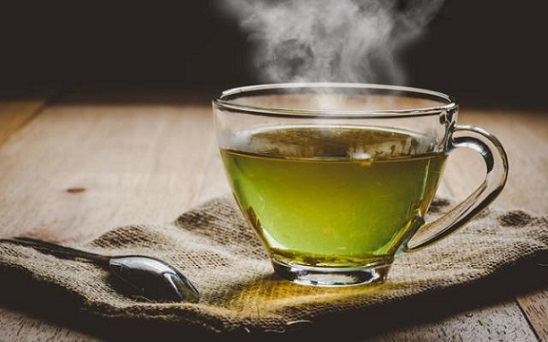
For centuries, green tea has been cherished in China and across Asia for its remarkable health-promoting properties. Today, modern science is confirming what traditional medicine has known for millennia: this simple beverage contains one of nature's most powerful antioxidants, EGCG (epigallocatechin gallate), which surpasses even Vitamins C and E in its protective capabilities.
As Hippocrates wisely noted: "If we do not find time to take care of our health, we will reluctantly have to find time for our illness." Green tea offers a simple, accessible way to invest in your wellbeing.
Understanding Polyphenols and Catechins
Green tea's health benefits stem from its rich content of polyphenols, chemical compounds also found in fruits and vegetables. These polyphenols are further categorized into subgroups called catechins. Green tea contains four major catechins, with EGCG being the most abundant and biologically active.
What Makes EGCG Special?
EGCG is widely regarded as the most potent antioxidant found in green tea. Research suggests it possesses approximately 100 times the antioxidant potency of Vitamin C and at least 25 times that of Vitamin E. This extraordinary compound helps protect cells and DNA from damage linked to cancer, heart disease, and other serious illnesses.
The Science of Free Radicals
To understand EGCG's importance, we must first understand free radicals, unstable molecules that continuously attack the body, leaving it vulnerable to disease and accelerating aging.
How Free Radicals Harm the Body
Free radicals disrupt essential biochemical processes within cells, compromising the body's natural defenses. They indiscriminately:
- Kill cells
- Destroy enzymes
- Produce toxic chemicals that damage cellular functions
- Damage critical structures including DNA, lipids, and proteins
These highly reactive molecules are toxic forms of reactive oxygen metabolites (ROM). It's a biological irony that oxygen, which sustains life, can also be responsible for much of the cellular destruction and aging we experience.
Free radicals have been implicated in numerous health conditions, including:
- Premature aging
- Cancer
- Heart disease
- Stroke
- Arthritis
Without an adequate antioxidant defense system, cells oxidize and break down faster, accelerating the aging process. EGCG's potent antioxidant properties neutralize these free radicals, providing the health benefits outlined below.
Documented Health Benefits of Green Tea
Cardiovascular Health
- Lower total cholesterol levels
- Reduce LDL (bad) cholesterol
- Increase HDL (good) cholesterol
- Decrease risk of heart attack
- Reduce stroke risk
Cancer Prevention
- Reduce overall cancer risk through DNA protection
- Neutralize carcinogenic compounds
Immune System Support
- Enhance immune function
- Act as an antibacterial agent
- Provide antiviral properties
Additional Benefits
- Decrease risk of developing rheumatoid arthritis
- Support weight management efforts
- Promote longevity through antioxidant activity
- May help reduce nerve damage and memory loss associated with Alzheimer's disease
Green Tea's Nutritional Profile
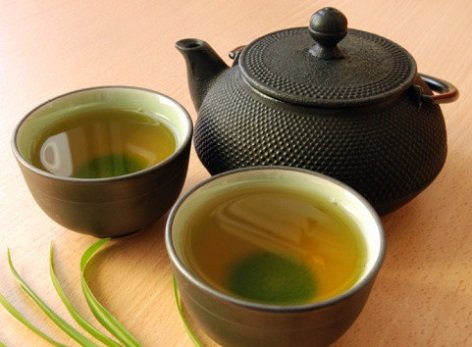
A typical cup of green tea provides approximately 100-300 mg of polyphenols, with EGCG present in high concentrations. This makes green tea one of the most concentrated dietary sources of this powerful antioxidant.
Bioavailability: A Critical Consideration
While green tea contains impressive levels of EGCG, research indicates that EGCG from brewed tea has relatively low bioavailability, meaning only a small fraction is absorbed into the bloodstream. Studies suggest that drinking green tea alone may not deliver optimal EGCG levels for therapeutic benefit.
Enhancing Absorption
To maximize EGCG absorption:
- Add a squeeze of lemon or other vitamin C source (may enhance absorption)
- Drink on an empty stomach when possible
- Consider standardized extracts if seeking higher doses
- Avoid adding milk, as proteins may bind to catechins and reduce absorption
Green Tea Product Formats
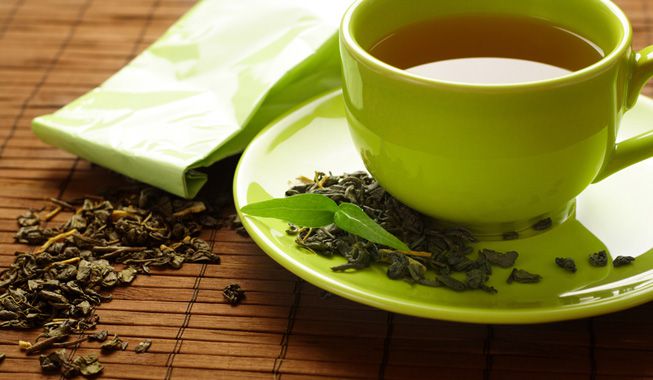
Green tea is available in multiple forms to suit different preferences and lifestyles:
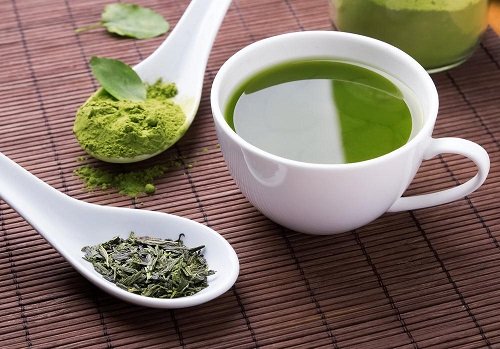
Traditional Brewed Tea
The most natural option, providing moderate EGCG levels with each cup.
Green Tea Extract Supplements
Standardized extracts offer concentrated, consistent doses of EGCG.
Transdermal Patches
Patches deliver active ingredients through the skin at a constant rate over 48 hours, offering convenience for those who prefer not to consume tea or take capsules. Users apply a new patch every other day.
Tips for Selecting and Consuming Green Tea
Choosing Quality Green Tea
1. Look for whole leaf tea rather than dust or fannings for superior catechin content
2. Check harvest dates, fresher tea contains higher antioxidant levels
3. Choose Japanese varieties like Matcha or Sencha for high EGCG content
4. Store properly in airtight containers away from light and heat
Brewing for Maximum Benefit
1. Use water at 160-180°F (70-80°C), boiling water can degrade catechins
2. Steep for 2-3 minutes to extract optimal compounds
3. Reuse leaves, subsequent infusions still contain beneficial catechins
4. Drink 3-5 cups daily for consistent antioxidant support
When to Drink Green Tea
- Morning: Gentle caffeine boost with L-theanine for calm focus
- Between meals: Enhanced absorption on an emptier stomach
- Avoid late evening: If sensitive to caffeine
Quick Reference Guide
For green tea, aim for 3–5 cups of brewed tea daily or 1–2 supplements. Drink it from morning to early afternoon. If taking it with food, add a vitamin C source to support absorption. Avoid adding milk and avoid excessive sugar. Store tea airtight in a cool, dark location. Quality indicators include whole leaves, a recent harvest, and Japanese origin.
Safety Considerations
Green tea is generally safe for most adults. However, consider these precautions:
- High doses of extracts may cause liver issues in rare cases
- Caffeine sensitivity — green tea contains moderate caffeine
- Iron absorption — tannins may reduce iron absorption; avoid drinking with iron-rich meals if you have anemia
- Pregnancy — consult your healthcare provider regarding appropriate intake
Conclusion: A Simple Path to Better Health
Green tea represents one of nature's most accessible and well-researched health-promoting beverages. Its rich EGCG content offers powerful antioxidant protection that exceeds that of common vitamins, supporting cardiovascular health, immune function, and cellular protection against aging and disease.
While no single food or beverage can guarantee perfect health, incorporating green tea into your daily routine represents a simple, enjoyable, and scientifically-supported step toward wellness. After all, as this ancient beverage teaches us, sometimes the most powerful solutions have been with us all along, we simply need to rediscover them.
This article is intended for informational purposes only and should not replace professional medical advice. Consult your healthcare provider before making significant changes to your diet or health regimen.

Tweet