The Ultimate Amalfi Coast Travel Guide
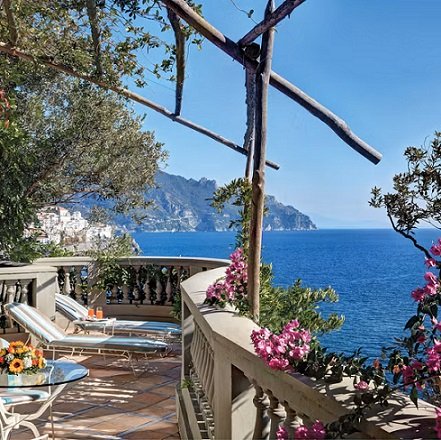
The Top Towns of the Amalfi Coast
Rome Siciy Tours Tuscany Venice Guide Italy Rome Restaurants Siena Florence Travel Tips and Guide Adventure Travel London Paris Switzerland Tourism Porto Lake District Manchester Laax USA Travel Student Travel Event Conference Management Madrid Greece Travel Varanasi india Waakye Andalucia Barcelona Zermatt Africa Travel Food and Beverage New England Green Tea Luxury Car Rental Tuscany Newzealand Meditarranean Cruise

Why Türkiye is the World’s Best Destination for Ancient History
The Amalfi Coast: A Complete Guide to Italy's Cliffside Paradise
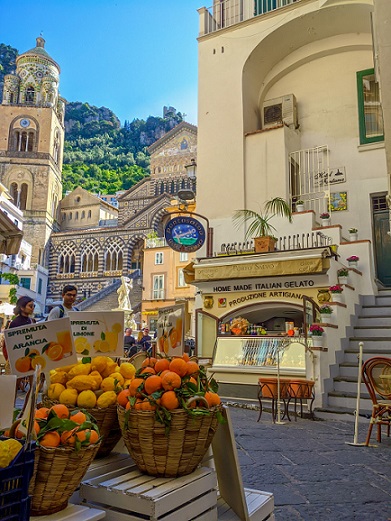
If you were to compile a list of the world's most breathtaking destinations, Italy's Amalfi Coast would undoubtedly claim a top spot.
This UNESCO World Heritage site is a landscape of extreme verticality, where pastel-hued villages cling to sea-facing cliffs and terraced gardens cascade toward the Tyrrhenian Sea. Famous for its hairpin turns, sweeping views, fragrant lemon groves, and picturesque towns, the Amalfi Coast offers an unforgettable Italian escape.
Getting There and Getting Around: Your Strategic Guide
The Amalfi Coast stretches along the southern side of the Sorrentine Peninsula. The most common entry point is Naples International Airport (NAP), which serves as the main gateway to the region. From Naples, you have several options for reaching the coast.
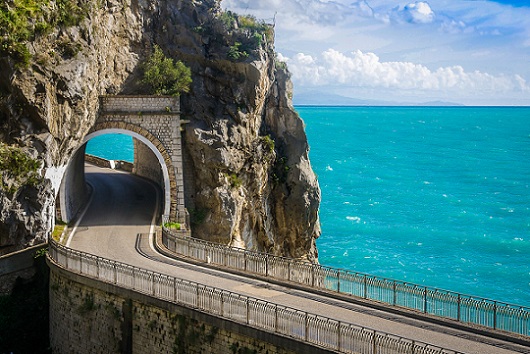
While the romantic idea of renting a car and driving the coastal road is appealing, it is not the most practical choice for most visitors. The SS163 Amalfitana, the main coastal road, is narrow, winding, and prone to severe traffic congestion, especially in summer. Parking is notoriously difficult and expensive, and the road is subject to an alternate plate system during peak season (roughly June–September, 10:00–18:00), restricting cars based on whether their license plate ends in an odd or even number. Rental cars are not exempt from this rule.
A far more relaxing and scenic strategy is to use public transport. Ferries are the quickest and most enjoyable way to travel between the main coastal towns, they bypass road traffic entirely and offer stunning views from the water. Services connect Naples, Sorrento, Positano, Amalfi, and Salerno, typically running from April to October. For inland destinations like Ravello, the SITA Sud buses are the reliable year-round option; tickets can be purchased at local tobacco shops (tabacchi). Using Sorrento as a base is a classic strategy, as it offers good transport links and a central location for exploring the coast.
The Jewels of the Coast: A Town-by-Town Guide
The classic itinerary follows the coastline from west to east, but each town has its own distinct character.
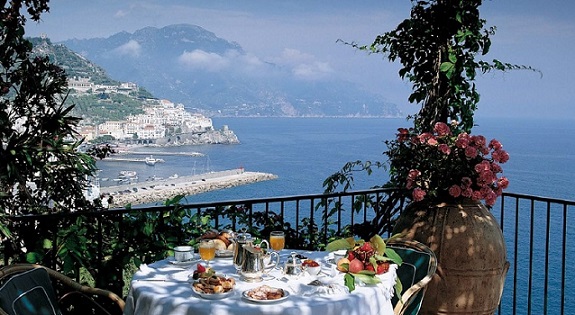
Positano is the photogenic star of the coast. Once a small fishing village, it is now a glamorous destination favored by an international crowd. The town's iconic cluster of white and pastel houses tumbling down to the sea is best admired from the Positano Belvedere, a vantage point on the coastal road. Wander through the boutique-lined alleys and relax on the main beach, Spiaggia Grande.
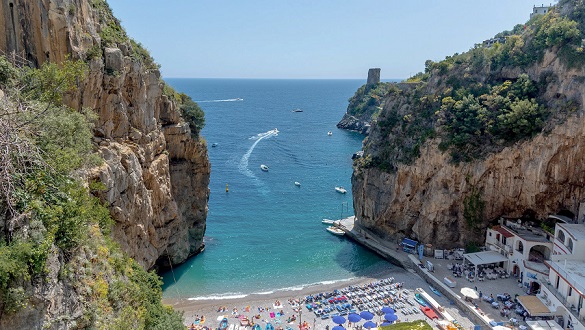
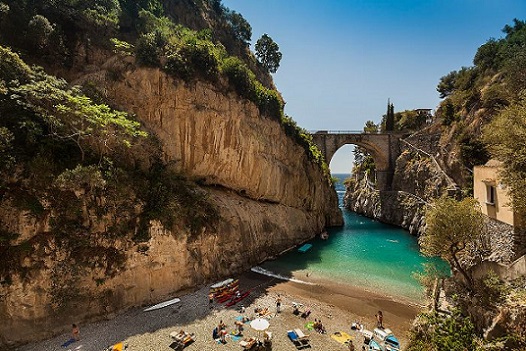
Furore is a hidden gem often missed by day-trippers. Its main attraction is the Fiordo di Furore, a dramatic, narrow inlet carved deep into the cliffs between Amalfi and Praiano. A small beach sits at the base of this natural gorge, offering a unique and wild swimming spot.
Amalfi, the coast's namesake, was once the heart of a powerful maritime republic. Its historic center is dominated by the Cattedrale di Sant'Andrea (St. Andrew's Cathedral) , a striking building with a majestic staircase and a beautifully decorated crypt. Be sure to also visit the peaceful Cloisters of Paradise (Chiostro del Paradiso) , a serene courtyard garden that offers a quiet escape from the bustling streets.
Ravello, perched high in the hills 350 meters above the sea, is the most refined and tranquil of the famous towns. It is famous for its exquisite villas and classical music festival. The two unmissable sights are Villa Rufolo and Villa Cimbrone. Villa Rufolo is renowned for its terraced gardens that inspired Wagner, while Villa Cimbrone is celebrated for its ethereal Terrace of Infinity, where classical statues gaze out over the Mediterranean. Note that opening hours and entrance fees can vary; expect to pay around €7–€15 for each villa, so it is wise to check the official websites in advance.
For those seeking a more active adventure, the Path of the Gods (Sentiero degli Dei) is a legendary hike that offers some of the most spectacular coastal views in the world. The trail is moderately challenging, steep, and rocky, so sturdy footwear and a hat are essential.
Essential Tips for a Smooth Visit
Time Your Visit Wisely: The best times to visit are late spring (May–June) and early autumn (September–October) . The weather is warm, the crowds are thinner than in the peak summer months of July and August, and the sea is still perfect for swimming.
Book Accommodation Strategically: For better value and fewer crowds, consider staying in less famous towns like Salerno, Maiori, or Minori, which offer good transport connections to the main sights.
Wear Comfortable Shoes: The coast is built on cliffs, and you will encounter countless stairs and steep, cobbled paths. Comfortable walking shoes are non-negotiable.
Explore the Emerald Grotto: The Grotta dello Smeraldo is a sea cave near Conca dei Marini where sunlight filters through an underwater opening, turning the water a brilliant emerald green. It is open daily (typically 9:00–16:00) with a small entrance fee (around €7). For the best light, visit between 11:00 and 13:00.
Discover Vietri sul Mare: As the gateway to the coast, this town is the region's ceramics capital. Its historic center is adorned with colorful hand-painted tiles, and the Church of San Giovanni Battista features a stunning majolica dome. It is a great place to find authentic souvenirs.
A Taste of Campania: What to Eat and Drink
The cuisine of the Amalfi Coast is a celebration of the Campania region's bounty: sun-ripened tomatoes, creamy buffalo mozzarella, fresh seafood, and, above all, lemons.
Insalata Caprese: This simple yet perfect salad is a must. Authentic versions use only three ingredients: ripe local tomatoes, creamy Mozzarella di Bufala Campana DOP, and fresh basil, dressed with olive oil. The region's San Marzano plum tomatoes are particularly famous.
Lemon Delights: The coast's fragrant lemons appear in everything from Limoncello (the classic after-dinner digestif) to Delizia al Limone, a dome-shaped sponge cake soaked in lemon syrup and filled with lemon cream.
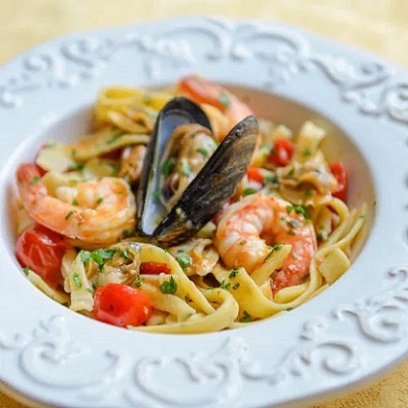
Local Pasta: Be sure to try Scialatielli, the coast's signature pasta, often served with fresh seafood.
Wines of Campania: The region's volcanic soil produces excellent wines. While perhaps less internationally famous than Tuscan varieties, local wines such as Lacryma Christi and those from the Irpinia region are well worth exploring. You can order wine by the glass, in a small carafe (quartino), or by the bottle at most restaurants.
Finish with Espresso: End your meal as the Italians do, with a cup of dark, strong espresso.
With its dramatic landscapes, rich history, and delicious cuisine, the Amalfi Coast is more than just a destination, it is an experience that will linger in your memory long after you leave.

Tweet